If you’re planning to backpack Vietnam in 2026, this complete guide covers everything you need to know before your trip. From choosing the best time to visit and estimating your budget to planning your route and understanding local culture, this guide will help you prepare for an unforgettable journey.
1. Best Time to Visit Vietnam
One of the most important things to understand before planning your backpacking trip is that Vietnam has several different climate zones. Because the country stretches over such a long distance, the weather can vary significantly between the north, central region, and south at the same time of year. Planning your route around seasonal conditions can help you enjoy better weather and avoid heavy rain.
Northern Vietnam
Northern Vietnam includes destinations such as Hanoi, Sapa, Ha Giang, Ninh Binh, and Ha Long Bay. The most comfortable months to visit are generally from October through April, when temperatures are cooler and humidity is lower.
Autumn, especially October and November, is considered one of the most beautiful seasons. The skies are often clear, making it an excellent time for trekking, photography, and sightseeing. Rice terraces in mountain regions also turn golden during parts of the harvest season, creating spectacular landscapes.
Winter lasts roughly from December to February. While Hanoi remains relatively mild, mountainous areas like Sapa and Ha Giang can become surprisingly cold, particularly during the evenings. Travelers planning to visit these regions should pack a warm jacket.
Spring, from March to April, brings pleasant temperatures and blooming flowers. It’s another excellent time for hiking and outdoor activities before the summer heat arrives.
Summer, from May to September, is warmer and wetter. Afternoon rain showers become more frequent, but many travelers still enjoy visiting because the countryside becomes incredibly green.
Central Vietnam
Central Vietnam includes Hue, Da Nang, Hoi An, and surrounding areas. This region experiences different weather patterns from the north and south.
The dry season generally runs from February through August. During these months, travelers can expect warm temperatures, sunny beaches, and ideal conditions for sightseeing.
September through November is usually the wettest period. Heavy rainfall and occasional typhoons can affect travel plans, especially in coastal areas. Flooding sometimes occurs in Hoi An during particularly rainy weeks.
Despite this, Central Vietnam remains beautiful throughout the year. Travelers simply need to monitor weather forecasts when visiting during the rainy season.
Southern Vietnam
Southern Vietnam includes Ho Chi Minh City, the Mekong Delta, and Phu Quoc Island.
Unlike northern Vietnam, temperatures remain warm throughout the year. Instead of four seasons, the south mainly experiences a dry season and a rainy season.
December through April is considered the best time to visit. Sunny weather, lower humidity, and calm seas make it perfect for island hopping, sightseeing, and beach vacations.
The rainy season typically lasts from May through October. However, rain often comes in short, heavy bursts during the afternoon before sunshine returns. Many backpackers continue traveling during these months because accommodation prices may be slightly lower and tourist attractions are less crowded.
If you’re planning to travel from north to south, March and April are often considered among the best months for enjoying good weather across most of the country.
2. Visa Requirements in 2026
Before booking your flights, it’s essential to check Vietnam’s latest entry requirements for your nationality. Immigration policies can change over time, so travelers should always verify the most recent regulations before departure.
Many visitors are eligible to apply for an electronic visa, commonly known as an e-Visa. This online application process is straightforward and eliminates the need to visit a Vietnamese embassy in many cases. Travelers simply complete the application, upload the required documents, pay the applicable fee, and wait for approval before traveling.
Some countries also enjoy visa-free entry under bilateral agreements. The length of permitted stays varies depending on nationality, so it’s important to understand exactly how long you’re allowed to remain in Vietnam before arriving.
Regardless of your visa type, your passport should generally remain valid for at least six months beyond your planned arrival date. Immigration officers may also ask to see proof of onward travel or sufficient funds for your trip, although these documents are not always requested.
If you plan to continue traveling through Southeast Asia after visiting Vietnam, carefully check whether your visa allows single or multiple entries. Backpackers who intend to visit neighboring countries before returning to Vietnam should make sure their travel plans match their visa conditions.
Keeping digital and printed copies of your passport, visa approval, travel insurance, and important reservations is also highly recommended. Having backup copies can save considerable time if your phone is lost or your documents become damaged during your trip.
3. How Much Does Backpacking Vietnam Cost?
One of the biggest reasons backpackers choose Vietnam is its incredible affordability. Whether you’re traveling on a shoestring budget or prefer a little more comfort, Vietnam offers excellent value compared to many destinations in Europe, North America, or even other parts of Asia.
A budget backpacker can comfortably travel on approximately $25 to $40 USD per day. This usually covers a hostel dorm bed, several delicious street food meals, local transportation, coffee, and one or two inexpensive activities. Travelers who primarily use sleeper buses and eat at local restaurants often spend even less.
Accommodation is one of the easiest ways to save money. Hostel dormitories generally range from $6 to $12 per night depending on the city and season. Many hostels include free Wi-Fi, air conditioning, breakfast, lockers, and organized social events. Private hostel rooms or budget hotels are also surprisingly affordable for couples or travelers seeking more privacy.
Food is another highlight for budget-conscious visitors. Vietnamese street food is not only delicious but also remarkably inexpensive. A hearty bowl of pho, a fresh banh mi sandwich, or a plate of grilled pork with rice can often cost just a few dollars. Local markets and family-run restaurants provide authentic meals that are both satisfying and budget-friendly.
Transportation expenses depend on how quickly you travel. Overnight sleeper buses remain one of the cheapest ways to move between cities while also saving on accommodation costs. Trains offer a more comfortable experience, while domestic flights are ideal for covering long distances when time is limited.
Travelers with larger budgets can easily upgrade their experience. Spending between $50 and $100 USD per day allows you to stay in comfortable hotels, enjoy private rooms, dine at excellent restaurants, book guided tours, and occasionally fly between destinations.
Even luxury travel is relatively affordable in Vietnam. High-end resorts, boutique hotels, private cruises, and gourmet dining often cost significantly less than similar experiences in many Western countries, making Vietnam an attractive destination for travelers seeking premium experiences without premium prices.
The amount you ultimately spend depends on your travel style, but regardless of your budget, Vietnam offers outstanding value that allows visitors to experience far more for their money than in many other destinations.
4. Currency and Money Tips
Vietnam uses the Vietnamese Dong (VND), and first-time visitors are often surprised by the large numbers printed on banknotes. Don’t be alarmed when you become a millionaire after exchanging your currency—the high denominations are perfectly normal.
Learning to recognize the different notes before your trip can make shopping much easier. Taking a few extra seconds to count your money carefully is a good habit, especially when you’re still becoming familiar with the currency.
Cash remains the preferred payment method throughout much of the country. While hotels, shopping malls, upscale restaurants, and many larger businesses accept international credit cards, you’ll still need cash for local markets, street food vendors, small family-owned restaurants, convenience stores, and transportation in rural areas.
ATMs are widely available in cities and tourist destinations, making it easy to withdraw cash during your trip. However, some ATMs charge withdrawal fees or have daily withdrawal limits, so it’s worth planning ahead if you’re traveling to remote areas where banking services may be less accessible.
Keeping a mixture of smaller and larger banknotes is helpful because some small vendors may not have enough change for high-value bills. This is especially true when purchasing inexpensive items like coffee, snacks, or bus tickets.
It’s also wise to notify your bank before traveling if you plan to use your debit or credit cards overseas. This helps prevent unexpected security blocks when making purchases in Vietnam.
Finally, avoid exchanging money through unofficial individuals or businesses offering unusually attractive exchange rates. Licensed exchange counters, banks, and airport currency services provide much safer options for international travelers.
5. Getting Around Vietnam
One of the reasons Vietnam is such a fantastic backpacking destination is its extensive transportation network. Whether you’re traveling on a tight budget or looking for a faster and more comfortable option, there are plenty of ways to move between cities and explore different regions. From overnight sleeper buses and scenic train journeys to affordable domestic flights and motorbike adventures, getting around Vietnam is generally straightforward even for first-time visitors.
Sleeper Buses
Sleeper buses are the most popular choice among backpackers because they connect almost every major city and tourist destination across the country. These buses are designed with reclining beds instead of traditional seats, allowing passengers to sleep during overnight journeys. Traveling overnight not only saves valuable sightseeing time but also reduces accommodation costs, making it an excellent option for budget-conscious travelers.
Many sleeper buses offer air conditioning, charging ports, Wi-Fi, blankets, and scheduled rest stops along the route. While comfort levels vary depending on the company, booking with reputable operators generally provides a smoother experience. If you’re taller than average, you may find the sleeping compartments a little compact, so bringing a travel pillow can make the journey more comfortable.
Popular overnight routes include Hanoi to Sapa, Hanoi to Ha Giang, Hue to Da Nang, Da Nang to Nha Trang, and Ho Chi Minh City to Da Lat. These routes are well-established and frequently used by both locals and tourists.
Vietnam’s Scenic Railway
For travelers who prefer a more relaxed journey, Vietnam’s railway system offers one of the country’s most memorable travel experiences. The famous Reunification Express runs almost the entire length of Vietnam, connecting Hanoi in the north with Ho Chi Minh City in the south.
Unlike flying, train travel allows passengers to enjoy spectacular coastal scenery, lush countryside, mountain passes, and rural villages through large windows. Some sections, particularly between Hue and Da Nang, are considered among the most beautiful railway journeys in Southeast Asia.
Travelers can choose between soft seats, hard seats, soft sleeper cabins, or four-berth sleeping compartments depending on their budget and travel time. Booking a sleeper cabin is highly recommended for overnight journeys, especially during busy travel seasons.
Although trains are usually slower than buses or flights, many backpackers appreciate the extra comfort, scenic views, and relaxed atmosphere.
Domestic Flights
Vietnam is a surprisingly long country, and traveling from Hanoi to Ho Chi Minh City by land can take more than 30 hours. If you’re short on time, domestic flights are often the most efficient option.
Budget airlines have made flying much more affordable in recent years, and it’s often possible to find excellent deals when booking in advance. Flights between major cities usually take between one and two hours, allowing travelers to maximize their vacation time.
Some of the busiest domestic routes include:
- Hanoi to Da Nang
- Hanoi to Ho Chi Minh City
- Da Nang to Ho Chi Minh City
- Ho Chi Minh City to Phu Quoc
- Ho Chi Minh City to Da Lat
Flying can be particularly worthwhile if your itinerary is limited to two weeks or less.
Renting a Motorbike
Many experienced backpackers consider exploring Vietnam by motorbike to be the adventure of a lifetime. Riding through mountain passes, quiet villages, coastal highways, and winding countryside roads offers a level of freedom that public transportation simply cannot match.
The legendary Ha Giang Loop has become one of the world’s most famous motorbike routes, attracting thousands of international travelers every year. Other popular routes include the Hai Van Pass near Da Nang and scenic roads around Da Lat.
However, driving in Vietnam can be challenging for inexperienced riders. Traffic in large cities is often busy and unpredictable, while mountain roads require confidence and careful attention. Always wear a quality helmet, carry the appropriate driving permit if required, and make sure your travel insurance covers motorbike accidents.
If you’re not comfortable riding yourself, many organized tours offer “easy rider” experiences where a local driver takes care of the riding while you enjoy the scenery.
Ride-Hailing Apps
In major cities such as Hanoi, Da Nang, and Ho Chi Minh City, ride-hailing apps have become one of the safest and most convenient ways to get around.
Using these services allows travelers to see the fare before confirming the ride, reducing the risk of misunderstandings or overcharging. Motorbike taxis are usually the cheapest option for short distances, while private cars provide extra comfort during hot or rainy weather.
Cycling
Several destinations are ideal for exploring by bicycle. Hoi An, Ninh Binh, and the Mekong Delta feature relatively flat terrain, quiet country roads, and beautiful scenery. Renting a bicycle is inexpensive and allows travelers to move at a slower pace while discovering hidden villages, rice fields, and local cafes that many tourists never see.
6. Suggested Backpacking Route
Vietnam can easily fill several months of travel, but many backpackers visit for two to four weeks. The itinerary below offers a balanced introduction to the country’s diverse landscapes, history, culture, and food.
Week One: Northern Vietnam
Begin your journey in Hanoi, Vietnam’s fascinating capital. Spend two or three days exploring the Old Quarter, enjoying traditional street food, visiting museums, and relaxing around Hoan Kiem Lake. Take time to experience Hanoi’s famous coffee culture before continuing your adventure.
Next, head to Ninh Binh for one or two days. Often described as “Ha Long Bay on land,” this peaceful region offers stunning limestone mountains, winding rivers, ancient temples, and scenic cycling routes.
From there, travel to Ha Long Bay or neighboring Lan Ha Bay for an overnight cruise. Kayaking among towering limestone islands, watching the sunset from the deck, and sleeping on the water are unforgettable experiences.
Finish your first week by heading into the mountains. Travelers can choose between the rice terraces of Sapa or the dramatic mountain roads of the Ha Giang Loop depending on their interests.
Week Two: Central Vietnam
Continue south to Hue, Vietnam’s former imperial capital. Spend a day exploring the impressive Imperial City, royal tombs, and peaceful pagodas before enjoying the city’s unique cuisine.
Travel next to Da Nang, where beautiful beaches meet modern city life. Visit Marble Mountains, relax by the ocean, and cross the famous Dragon Bridge in the evening.
A short drive brings you to Hoi An, one of Vietnam’s most charming destinations. Plan to stay at least three days to fully appreciate the ancient town, colorful lanterns, riverside cafes, tailor shops, cooking classes, and nearby beaches.
Week Three: Southern Vietnam
Fly or travel south to Da Lat, a cool mountain city known for waterfalls, pine forests, flower gardens, and adventure sports.
Continue to Ho Chi Minh City, Vietnam’s largest metropolitan area. Explore museums, markets, rooftop bars, and historical landmarks while experiencing the city’s energetic atmosphere.
Finally, visit the Mekong Delta for a relaxing river tour before ending your journey on the beautiful beaches of Phu Quoc Island if time allows.
This route provides an excellent introduction to Vietnam while leaving enough flexibility to add extra destinations based on your interests.
7. Top Places Every Backpacker Should Visit
Hanoi
Hanoi is usually the first stop for travelers arriving in northern Vietnam, and it immediately captures visitors with its unique blend of ancient traditions and modern energy. The city’s narrow streets are filled with scooters, colorful markets, hidden temples, sidewalk cafes, and centuries-old buildings that tell the story of Vietnam’s rich history.
The Old Quarter is undoubtedly the heart of Hanoi. Originally organized into streets dedicated to different trades, it remains one of the city’s liveliest neighborhoods. Backpackers can spend hours wandering through its maze of alleys, discovering local restaurants, artisan shops, and bustling street markets. Every corner seems to reveal another interesting coffee shop or food stall serving authentic Vietnamese dishes.
Hoan Kiem Lake provides a peaceful escape from the busy streets. Early each morning, locals gather here for tai chi, jogging, and group exercise classes. Walking around the lake offers visitors a glimpse into everyday life while also providing excellent photo opportunities.
Food is another major highlight of Hanoi. The city is famous for pho, bun cha, egg coffee, and countless street food specialties. Joining a local food tour is one of the best ways to sample authentic dishes while learning about Vietnamese culinary traditions.
History enthusiasts should visit the Temple of Literature, Hoa Lo Prison Museum, and the Ho Chi Minh Mausoleum complex. Together, these attractions offer valuable insights into Vietnam’s educational heritage, colonial history, and modern development.
Many travelers also use Hanoi as their base before continuing to nearby destinations such as Ninh Binh, Ha Long Bay, Sapa, or Ha Giang.
Ha Giang Loop
For many backpackers, the Ha Giang Loop becomes the highlight of their entire Vietnam trip. Located in the country’s far north near the Chinese border, this spectacular mountain route takes travelers through some of Southeast Asia’s most breathtaking landscapes.
Towering limestone mountains, deep valleys, winding rivers, and dramatic mountain passes create scenery unlike anywhere else in Vietnam. Every hour of the journey presents new panoramic viewpoints, making it a paradise for photographers and adventure lovers.
Most travelers complete the loop over three to five days. Along the way, they stay in family-run homestays where they can enjoy home-cooked meals, learn about local traditions, and meet fellow backpackers from around the world.
The region is also home to numerous ethnic minority communities, each preserving its own customs, traditional clothing, and cultural heritage. Visiting local villages offers travelers the opportunity to experience a side of Vietnam that remains largely untouched by mass tourism.
Although riding the loop independently is popular, beginners often choose guided tours with experienced local drivers. This option allows visitors to enjoy the scenery without worrying about challenging mountain roads.
Regardless of how you experience it, the Ha Giang Loop is widely regarded as one of the greatest road trips in Asia.
Sapa
Nestled among the Hoang Lien Son Mountains, Sapa is famous for its breathtaking rice terraces, cool climate, and vibrant ethnic minority cultures. Unlike Vietnam’s bustling cities, Sapa offers peaceful mountain landscapes where travelers can slow down and reconnect with nature.
The region’s greatest attraction is trekking. Numerous hiking routes lead visitors through picturesque valleys, bamboo forests, waterfalls, and traditional villages inhabited by the Hmong, Dao, Tay, and other ethnic groups. Guided treks often include overnight homestays, allowing travelers to experience local hospitality while learning about everyday mountain life.
One of the best times to visit Sapa is during the rice-growing seasons. In late spring, flooded rice terraces reflect the sky like giant mirrors, while autumn transforms the mountains into brilliant shades of gold as the rice ripens before harvest.
Fansipan Mountain, known as the “Roof of Indochina,” is another major attraction. Adventurous hikers can climb the summit, while others choose the scenic cable car that offers incredible panoramic views over the surrounding mountains.
Despite becoming increasingly popular with tourists, Sapa still retains much of its natural beauty. Spending several days here allows backpackers to enjoy both outdoor adventure and cultural experiences far removed from Vietnam’s busy urban centers.
Ninh Binh
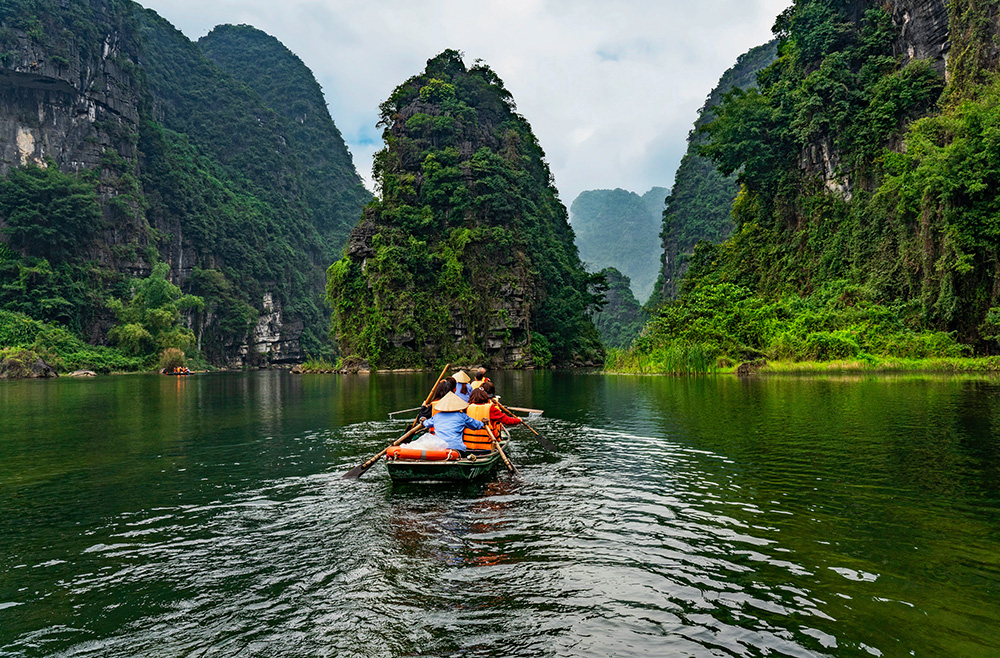
Often referred to as “Ha Long Bay on land,” Ninh Binh combines towering limestone cliffs, peaceful rivers, lush rice fields, and ancient temples into one of Vietnam’s most photogenic destinations.
The highlight for many visitors is the Trang An Scenic Landscape Complex, a UNESCO World Heritage Site where traditional wooden boats glide slowly through caves, rivers, and dramatic limestone valleys. The peaceful atmosphere makes this one of the most relaxing experiences in Vietnam.
Another popular attraction is Tam Coc, which offers similar scenery with beautiful rice paddies lining the riverbanks. Cycling between these attractions is highly recommended, as the countryside features quiet roads, friendly villages, and stunning mountain views around every corner.
For panoramic views, climb the nearly 500 stone steps leading to the top of Mua Cave viewpoint. The effort is rewarded with one of the most iconic landscapes in Vietnam, overlooking winding rivers and endless limestone peaks.
Ninh Binh is also home to Hoa Lu, Vietnam’s ancient capital, where visitors can explore historic temples dedicated to early Vietnamese kings.
Many backpackers only spend one day here, but staying two or three days allows enough time to fully appreciate the region’s natural beauty without feeling rushed.
Ha Long Bay
Few places symbolize Vietnam as perfectly as Ha Long Bay. This UNESCO World Heritage Site features thousands of limestone islands rising dramatically from emerald-green waters, creating one of the most recognizable landscapes in the world.
The best way to experience the bay is by joining an overnight cruise. These cruises typically include kayaking, swimming, cave exploration, seafood meals, cooking demonstrations, and sunrise tai chi sessions on the deck.
Kayaking offers the opportunity to paddle through hidden lagoons, sea caves, and quiet corners that larger boats cannot reach. It’s also one of the best ways to appreciate the scale and beauty of the limestone formations.
Travelers seeking a quieter experience often choose Lan Ha Bay, located just south of Ha Long Bay. While equally beautiful, it generally attracts fewer visitors and offers a more peaceful atmosphere.
Photography enthusiasts will find endless opportunities throughout the cruise. Sunrise and sunset cast beautiful golden light across the limestone islands, creating unforgettable scenery that has inspired travelers for generations.
Although day trips are available from Hanoi, spending at least one night on the water provides a far richer experience and allows visitors to enjoy the bay after many daytime tourists have departed.
Hue
Hue is one of Vietnam’s most historically significant cities and an essential stop for travelers interested in the country’s royal past. Located along the Perfume River in Central Vietnam, Hue served as the imperial capital during the Nguyen Dynasty for more than a century. Today, it offers a quieter atmosphere than Hanoi or Ho Chi Minh City, making it an ideal place to slow down and immerse yourself in Vietnamese history.
The city’s biggest attraction is the Imperial City, a massive walled complex that once housed emperors, royal families, and government officials. Walking through its ancient gates, temples, palaces, and gardens gives visitors a fascinating glimpse into Vietnam’s imperial era. Although parts of the complex were damaged during past conflicts, extensive restoration work has helped preserve many of its impressive structures.
Outside the citadel, travelers can visit several royal tombs scattered throughout the countryside. Each tomb features unique architecture, peaceful gardens, and beautiful lakes that reflect the artistic tastes of different emperors. Hiring a bicycle or scooter is one of the best ways to explore these sites at your own pace.
Hue is also known for its exceptional cuisine. Many dishes were originally created for the royal court and are carefully prepared using traditional techniques. Be sure to try Bun Bo Hue, a spicy beef noodle soup that differs significantly from Hanoi’s famous pho. Local markets and family-owned restaurants offer authentic flavors at affordable prices.
Spending two days in Hue allows enough time to explore the historical sites, enjoy a boat ride on the Perfume River, and experience one of Vietnam’s most culturally rich destinations.
Da Nang
Da Nang has transformed into one of Vietnam’s most modern and livable cities while still maintaining easy access to beaches, mountains, and historical attractions. Many backpackers initially treat Da Nang as a stopover between Hue and Hoi An, but the city deserves at least two or three days of exploration.
My Khe Beach stretches for several kilometers along the coastline and is often ranked among the most beautiful urban beaches in Asia. The soft white sand and calm water make it perfect for swimming, sunbathing, or simply relaxing after weeks of traveling.
One of Da Nang’s most famous landmarks is the Marble Mountains, a group of limestone hills filled with caves, pagodas, temples, and panoramic viewpoints. Climbing to the top rewards visitors with breathtaking views of the surrounding coastline and city skyline.
In the evening, many travelers gather near the Dragon Bridge. Every weekend, the dragon breathes fire and water during a popular nighttime show that attracts both locals and tourists. The riverside promenade also comes alive with food vendors, street performers, and families enjoying the cooler evening temperatures.
Da Nang serves as an excellent base for day trips as well. The scenic Hai Van Pass, made famous by travel documentaries, offers spectacular coastal views, while Ba Na Hills features mountain scenery and the iconic Golden Bridge supported by giant stone hands.
Thanks to its clean streets, modern infrastructure, and relaxed atmosphere, Da Nang is also becoming increasingly popular among digital nomads and long-term travelers.
Hoi An
If you ask experienced backpackers to name their favorite destination in Vietnam, Hoi An appears on almost every list. This beautifully preserved ancient trading town combines history, culture, food, shopping, and natural beauty in a way that few destinations can match.
The heart of Hoi An is its UNESCO-listed Ancient Town, where centuries-old yellow buildings line narrow pedestrian streets illuminated by colorful lanterns each evening. Walking through these streets after sunset creates a magical atmosphere that visitors remember long after leaving Vietnam.
Hoi An is famous for its tailor shops, where skilled craftsmen can create custom-made clothing, suits, dresses, or leather products in just a few days. Many travelers take advantage of the affordable prices to have personalized clothing made during their stay.
Food is another major reason to visit. Hoi An is home to several unique dishes found nowhere else in Vietnam, including Cao Lau noodles and White Rose dumplings. Cooking classes are also extremely popular, allowing visitors to shop at local markets before learning how to prepare authentic Vietnamese meals.
Beyond the Ancient Town, travelers can rent bicycles and explore peaceful rice fields, fishing villages, coconut forests, and nearby beaches such as An Bang Beach. These quieter areas provide a refreshing contrast to the lively town center.
Most backpackers plan to stay two or three days but often end up extending their visit because Hoi An offers the perfect balance of sightseeing and relaxation.
Da Lat
Located in Vietnam’s Central Highlands, Da Lat feels completely different from the country’s tropical coastal cities. Thanks to its higher elevation, the weather remains cool throughout much of the year, making it a refreshing destination after spending time in hotter regions.
Originally developed as a hill station during the French colonial period, Da Lat features charming European-style architecture, pine forests, colorful flower gardens, and peaceful lakes. The city’s relaxed atmosphere has earned it the nickname “The City of Eternal Spring.”
Adventure lovers have plenty to enjoy here. Activities such as canyoning, mountain biking, hiking, zip-lining, and waterfall rappelling attract travelers looking for outdoor excitement. Elephant Falls, Datanla Falls, and Pongour Falls are among the region’s most impressive natural attractions.
Coffee enthusiasts will also appreciate Da Lat’s thriving coffee culture. The surrounding highlands produce some of Vietnam’s finest coffee beans, and many local cafes offer beautiful mountain views while serving freshly brewed specialty coffee.
The city’s famous night market is another highlight, offering local snacks, fresh strawberries, handmade souvenirs, and warm street food perfect for Da Lat’s cool evenings.
Ho Chi Minh City
Ho Chi Minh City, often still referred to as Saigon by locals, is Vietnam’s largest and busiest city. Skyscrapers stand beside colonial buildings, luxury shopping malls neighbor traditional markets, and modern cafes share streets with historic temples.
The city moves at an incredible pace, and simply observing daily life can be an unforgettable experience. Crossing busy intersections filled with thousands of motorbikes may seem intimidating at first, but visitors quickly adapt to the city’s unique rhythm.
History plays an important role here. The War Remnants Museum provides powerful insight into Vietnam’s recent past, while the Independence Palace and Notre Dame Cathedral reflect different periods of the country’s development.
For shopping, Ben Thanh Market remains one of the city’s best-known attractions. Visitors can browse clothing, handicrafts, coffee, spices, souvenirs, and local snacks while practicing their bargaining skills.
Ho Chi Minh City is also famous for its vibrant nightlife. Rooftop bars, live music venues, night markets, and international restaurants ensure there’s always something happening after sunset.
Many travelers spend three or four days here before continuing to the Mekong Delta or flying to other Southeast Asian destinations.
Mekong Delta
The Mekong Delta offers a completely different perspective on Vietnamese life. Rather than bustling cities, this fertile region is known for winding rivers, floating markets, fruit orchards, and peaceful farming communities.
Boat tours remain the best way to explore the delta. As you travel through narrow canals lined with coconut palms, you’ll see fishermen casting nets, children traveling to school by boat, and farmers transporting produce along the waterways.
Many tours include visits to local workshops where traditional products such as coconut candy, rice paper, and honey are still made using methods passed down through generations.
Cycling through quiet villages is another rewarding experience. Unlike Vietnam’s larger cities, the roads here are calm, allowing visitors to interact with friendly locals and enjoy the peaceful countryside.
Fresh tropical fruit is available almost everywhere, making the Mekong Delta one of the best places to sample mangoes, dragon fruit, rambutan, mangosteen, and longan during the harvest season.
An overnight homestay offers the chance to experience authentic rural life while enjoying homemade Vietnamese meals with local families.
Phu Quoc
Located in the Gulf of Thailand, Phu Quoc is Vietnam’s largest island and one of its fastest-growing beach destinations. While luxury resorts have become increasingly common, backpackers can still find affordable accommodation and beautiful stretches of coastline.
Long Beach remains one of the island’s most popular areas, offering soft sand, crystal-clear water, beachfront restaurants, and spectacular sunsets. Smaller beaches around the island provide quieter alternatives for travelers seeking relaxation away from larger crowds.
Snorkeling and island-hopping tours introduce visitors to colorful coral reefs, tropical fish, and hidden beaches. Seafood lovers will also enjoy the island’s many restaurants serving freshly caught fish, squid, crab, and shrimp.
Nature enthusiasts can explore Phu Quoc National Park, where hiking trails pass through tropical forests rich in wildlife and native plants.
For travelers ending a long backpacking journey, Phu Quoc provides the perfect place to relax before flying home.
8. Vietnamese Food Every Backpacker Should Try
One of the greatest joys of backpacking through Vietnam is discovering its incredible food culture. Vietnamese cuisine is famous for balancing fresh herbs, aromatic spices, savory broths, crisp vegetables, and perfectly grilled meats. Every region has developed its own specialties, meaning the dishes you try in Hanoi may be completely different from those served in Hue or Ho Chi Minh City.
Pho is undoubtedly Vietnam’s most internationally recognized dish. This comforting noodle soup is commonly eaten for breakfast but can be enjoyed throughout the day. Northern and southern versions differ slightly in flavor, giving travelers another reason to sample the dish in multiple cities.
Banh Mi is another favorite among backpackers. Influenced by French colonial history, this crispy baguette sandwich combines pâté, grilled meat, pickled vegetables, herbs, chili, and fresh cucumber to create one of the world’s best street foods.
Regional dishes add even more variety to your culinary journey. Hanoi is known for Bun Cha, Hue specializes in Bun Bo Hue, Hoi An offers Cao Lau and White Rose dumplings, while the Mekong Delta serves fresh tropical fruits and seafood prepared with local ingredients.
Street food plays a central role in Vietnamese culture. Rather than dining in expensive restaurants, locals often gather around small plastic tables on busy sidewalks to enjoy freshly prepared meals. These humble eateries frequently serve some of the most authentic food you’ll find anywhere in the country.
Coffee lovers should also explore Vietnam’s unique coffee traditions. Egg coffee in Hanoi, coconut coffee in Ho Chi Minh City, and traditional Vietnamese iced coffee made with sweetened condensed milk are all worth trying during your trip.
One of the best ways to experience Vietnamese cuisine is by joining a local food tour. These guided walks introduce visitors to hidden family-run restaurants and street vendors that many tourists would never discover on their own.
9. Accommodation Options
Vietnam offers an excellent range of accommodation suitable for every type of traveler.
Hostels remain the most popular option for backpackers thanks to their affordable prices and social atmosphere. Many include free breakfast, organized walking tours, family dinners, pub crawls, and comfortable common areas where travelers can easily meet new friends.
Private guesthouses provide another excellent choice for couples or travelers seeking additional privacy without spending too much. Family-run guesthouses often offer personalized recommendations and warm hospitality that larger hotels cannot match.
Boutique hotels have become increasingly common throughout Vietnam. These properties combine stylish interiors with reasonable prices, making them an attractive option for travelers seeking extra comfort.
In mountain regions such as Sapa, Ha Giang, and Mai Chau, traditional homestays allow visitors to experience authentic village life while supporting local communities. Sharing meals with host families often becomes one of the most memorable parts of the journey.
Luxury travelers will also find world-class resorts in destinations such as Da Nang, Nha Trang, and Phu Quoc, many offering exceptional value compared to similar properties elsewhere in Asia.
10. Internet, Wi-Fi, and SIM Cards
Staying connected while backpacking through Vietnam is both easy and affordable. The country has invested heavily in its telecommunications infrastructure over the past decade, and today travelers can enjoy reliable mobile coverage and fast internet in most cities, towns, and even many rural areas.
One of the first things many international visitors do after arriving is purchase a local SIM card. This allows you to use maps, translation apps, ride-hailing services, and messaging apps without relying solely on public Wi-Fi. Local SIM cards are inexpensive and are available at international airports, convenience stores, mobile phone shops, and authorized service providers throughout the country.
Many tourist packages include generous amounts of high-speed data, making it possible to navigate cities, upload photos, stream videos, and stay connected with family and friends during your trip. If your smartphone supports eSIM technology, you may also find it convenient to activate a digital plan before arriving in Vietnam.
Wi-Fi is widely available across the country. Most hostels, hotels, cafés, restaurants, coworking spaces, and even some public areas offer free internet access. In larger cities like Hanoi, Da Nang, and Ho Chi Minh City, internet speeds are generally fast enough for video calls, remote work, and online meetings.
Vietnam has also become increasingly popular among digital nomads. Cities such as Da Nang and Ho Chi Minh City feature modern coworking spaces, comfortable cafés with reliable Wi-Fi, and affordable long-term accommodation. As a result, many backpackers decide to extend their stay while working remotely.
Although internet access is generally excellent, travelers planning to visit remote mountain regions should remember that mobile signals may occasionally become weaker. Downloading offline maps before hiking or riding through isolated areas is always a smart idea.
11. Safety Tips for Backpacking Vietnam
Vietnam is widely regarded as one of the safest countries in Southeast Asia for independent travelers. Every year, millions of tourists explore the country without experiencing any serious problems. Solo travelers, couples, and groups alike generally find Vietnam welcoming and easy to navigate.
However, like any travel destination, taking a few basic precautions will help ensure a smooth and enjoyable trip.
Protect Your Belongings
Petty theft occasionally occurs in busy tourist areas, particularly in larger cities. Keep your passport, wallet, and electronics secure, especially in crowded markets, bus stations, and popular attractions.
Many backpackers use anti-theft backpacks or money belts for extra peace of mind. When staying in hostels, always use the lockers provided and bring your own padlock if necessary.
Be Careful with Traffic
For many first-time visitors, Vietnam’s traffic can be the biggest culture shock. Thousands of motorbikes share the roads, particularly in Hanoi and Ho Chi Minh City.
Crossing the street may seem intimidating at first, but the key is to walk slowly and predictably. Motorbike riders usually adjust their path around pedestrians. Avoid making sudden movements or running across busy roads.
If you rent a scooter, always wear a helmet and ride defensively. Only rent a motorbike if you have sufficient riding experience and understand local traffic conditions.
Drink Safe Water
Tap water is generally not recommended for drinking. Instead, purchase bottled water or refill reusable bottles at filtered water stations when available.
Ice served in reputable restaurants and cafés is generally considered safe, but travelers with sensitive stomachs may prefer to be cautious during their first few days.
Buy Travel Insurance
Travel insurance is one of the most important investments you can make before your trip. Medical emergencies, lost luggage, flight delays, or unexpected accidents can happen anywhere.
If you plan to participate in activities such as trekking, scuba diving, canyoning, or motorbike riding, check that your insurance policy covers these activities before you travel.
Stay Aware at Night
Vietnam’s cities are generally lively well into the evening, and many tourist areas remain busy after dark. Nevertheless, avoid walking alone in poorly lit areas late at night, and always keep an eye on your belongings when enjoying nightlife.
By following these simple precautions, most travelers find Vietnam to be an incredibly safe and enjoyable destination.
12. Cultural Etiquette and Local Customs
Understanding a few aspects of Vietnamese culture can greatly enhance your travel experience. Showing respect for local customs not only creates positive interactions but also demonstrates appreciation for the communities you visit.
Dress Respectfully
While casual clothing is perfectly acceptable in most tourist areas, visitors should dress more modestly when entering temples, pagodas, or religious sites. Clothing that covers your shoulders and knees is generally appreciated.
Many temples also require visitors to remove their shoes before entering certain buildings.
Respect Elders
Respect for older people plays an important role in Vietnamese culture. Speaking politely, waiting your turn, and showing patience are simple ways to demonstrate courtesy during everyday interactions.
Avoid Touching People’s Heads
In many Asian cultures, including Vietnam, the head is considered an important and respectful part of the body. Avoid touching someone’s head, even when interacting with children.
Ask Before Taking Photos
Vietnam offers countless opportunities for photography, especially in ethnic minority villages and traditional markets. However, it’s always polite to ask permission before photographing individuals.
Many locals are happy to pose for pictures, and asking first often leads to friendly conversations and genuine cultural exchanges.
Learn a Few Vietnamese Words
Although English is commonly spoken in tourist destinations, locals appreciate visitors who make an effort to learn basic Vietnamese phrases.
Simple expressions such as:
- Xin chào (Hello)
- Cảm ơn (Thank you)
- Xin lỗi (Sorry)
- Tạm biệt (Goodbye)
can create positive interactions throughout your journey.
13. Backpacking Essentials: What to Pack
Packing wisely will make your trip much more comfortable, especially if you’ll be moving between destinations every few days.
Clothing
Vietnam’s climate varies considerably depending on the region and season, so lightweight clothing works well for most of the country. However, mountain areas such as Sapa and Ha Giang can become surprisingly cold during winter, making a warm jacket essential.
Quick-dry clothing is particularly useful because of the country’s humidity, and comfortable walking shoes are a must for sightseeing and trekking.
Travel Gear
A quality backpack remains the most practical choice for moving frequently between cities.
Useful items include:
- Lightweight backpack
- Daypack for excursions
- Packing cubes
- Microfiber towel
- Rain cover
- Reusable water bottle
- Dry bag for electronics
- Headlamp or flashlight
Electronics
Remember to bring:
- Universal power adapter
- Power bank
- Phone charger
- Camera
- Spare memory cards
- Charging cables
A portable power bank becomes especially useful during overnight bus journeys or long sightseeing days.
Health Items
Pack a small medical kit containing:
- Pain relievers
- Bandages
- Motion sickness tablets
- Antidiarrheal medication
- Insect repellent
- Sunscreen
- Hand sanitizer
Having these essentials readily available can save time and money while traveling.
14. Common Tourist Scams and How to Avoid Them
Vietnam is generally very welcoming, but like many popular tourist destinations, visitors should remain aware of a few common scams.
Taxi Overcharging
Some unofficial taxis may charge inflated prices or take unnecessarily long routes.
To avoid this, use trusted ride-hailing apps or choose reputable taxi companies with clearly displayed meters.
Fake Tour Agencies
Cheap tour offers that seem too good to be true often are.
Book activities through your hostel, hotel, or well-reviewed travel agencies to avoid disappointment.
Currency Confusion
Vietnamese banknotes have similar colors, making mistakes easier for first-time visitors.
Take a moment to count your money before leaving shops or exchanging currency.
Motorbike Rental Claims
Before renting a scooter, carefully inspect it and take photos of any existing scratches or damage.
This simple step can help prevent disputes when returning the vehicle.
Street Vendors
In busy tourist areas, some vendors may quote higher prices to foreign visitors.
Asking locals about typical prices or checking menus before ordering helps avoid misunderstandings.
Fortunately, these situations are relatively uncommon, and most Vietnamese people are honest and welcoming.
15. Sustainable Backpacking in Vietnam
Responsible travel helps preserve Vietnam’s beautiful landscapes and cultural heritage for future generations.
Whenever possible, carry a reusable water bottle instead of buying multiple plastic bottles. Many accommodations now provide filtered water refill stations.
Supporting local businesses is another excellent way to contribute to local communities. Family-run restaurants, guesthouses, handicraft shops, and local guides often provide more authentic experiences while helping local economies.
When visiting natural attractions such as beaches, caves, mountains, or national parks, stay on designated paths and avoid leaving litter behind.
Respect wildlife by observing animals from a distance and avoiding attractions that exploit them for entertainment.
Small actions, when practiced by many travelers, can have a meaningful positive impact.
16. Photography Tips
Vietnam is one of Southeast Asia’s most photogenic countries, offering endless opportunities for photographers of every skill level.
Early morning is often the best time to photograph busy cities before crowds arrive. Markets become lively at sunrise, fishermen begin their work, and soft golden light creates beautiful images.
Sunset provides equally stunning conditions, particularly along Vietnam’s beaches, rice terraces, and mountain viewpoints.
Some of the country’s most photogenic locations include:
- Ha Giang Loop
- Sapa rice terraces
- Ninh Binh viewpoints
- Ha Long Bay
- Hoi An Ancient Town
- Hai Van Pass
- Da Lat waterfalls
- Mekong Delta floating markets
- Phu Quoc beaches
Always carry extra batteries or a portable charger if you plan to spend full days exploring.
17. Sample Two-Week Backpacking Budget
Although individual travel styles vary, the following budget provides a realistic estimate for a comfortable two-week backpacking trip through Vietnam.
| Expense | Estimated Cost (USD) |
|---|---|
| Hostel Accommodation | $140 |
| Food & Drinks | $150 |
| Transportation | $130 |
| Attractions & Tours | $180 |
| Local SIM Card | $10 |
| Laundry | $15 |
| Miscellaneous | $75 |
| Estimated Total | Around $700 |
Travelers who cook occasionally, use overnight buses, and focus on free attractions can spend even less.
18. Frequently Asked Questions
Is Vietnam good for first-time backpackers?
Yes. Vietnam is one of the easiest countries in Southeast Asia to explore independently. Affordable transportation, well-established backpacker routes, and friendly locals make it an excellent destination for beginners.
How long should I spend backpacking Vietnam?
Two weeks allows you to visit the country’s major highlights, while three to four weeks provides a much more relaxed experience with time to explore smaller towns and hidden gems.
Is Vietnam safe for solo female travelers?
Many solo female travelers visit Vietnam every year and report positive experiences. Basic safety precautions, staying aware of your surroundings, and choosing reputable accommodation are usually sufficient.
Can I use my credit card everywhere?
Credit cards are accepted in many hotels, shopping malls, and larger restaurants. However, carrying cash is still essential for street food, local markets, and smaller businesses.
Is tipping expected?
Tipping is appreciated but not mandatory. Many travelers leave small tips for exceptional service, tour guides, hotel staff, or restaurant employees.
Do I need to know Vietnamese?
No. English is commonly spoken in major tourist destinations. However, learning a few simple Vietnamese phrases can make interactions more enjoyable and is appreciated by locals.
Is Vietnam expensive compared to other countries?
No. Vietnam remains one of the best-value travel destinations in Asia, offering affordable accommodation, transportation, food, and activities for almost every budget.
What’s the best way to travel between cities?
Sleeper buses are the most budget-friendly option, trains provide scenic and comfortable journeys, and domestic flights are ideal when traveling long distances with limited time.
Final Thoughts
As you plan your journey, remember that the best experiences often come from slowing down, talking with locals, trying unfamiliar foods, and exploring beyond the most famous attractions. With an open mind and a spirit of adventure, Vietnam has a remarkable way of turning ordinary travel moments into lifelong memories.
Whether Vietnam is your first backpacking destination or another stop on a longer Southeast Asia adventure, it’s a country that continues to inspire travelers from around the world. Once you’ve experienced its breathtaking landscapes, delicious cuisine, warm hospitality, and vibrant culture, you’ll understand why so many visitors leave already planning their next trip back.
