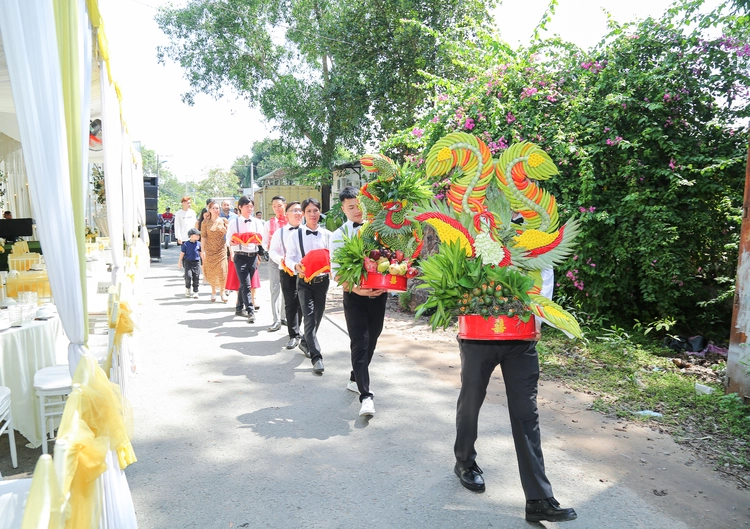
A Vietnamese wedding is a meaningful celebration that brings together not only two people but also their families. Rooted in tradition, these weddings are known for their symbolic ceremonies, colorful attire, and strong emphasis on respect, gratitude, and family values.
While many modern couples include contemporary elements in their celebrations, traditional customs remain an important part of Vietnamese weddings and continue to reflect the country’s rich cultural heritage.
1. The Importance of Family in a Vietnamese Wedding
Family is at the heart of every Vietnamese wedding. Marriage is traditionally seen as the union of two families rather than just two individuals. Because of this, parents and close relatives play an active role in planning the wedding and participating in the ceremonies.
Respect for elders is one of the most important values in Vietnamese culture. Throughout the wedding, the bride and groom express gratitude to their parents and ancestors through formal rituals, symbolizing appreciation for the love and support they have received.
Even today, family approval and involvement remain significant, although younger generations often have more freedom in choosing their partners than in the past.
2. Traditional Vietnamese Wedding Ceremonies
A traditional Vietnamese wedding usually consists of several ceremonies, each with its own customs and symbolism. While practices may vary slightly between regions, the following events are commonly included.
2.1. Dạm Ngõ (The Meeting of Families)
The first official step is the Dạm Ngõ ceremony, often translated as the family meeting or proposal visit. During this informal gathering, the groom’s family visits the bride’s home to introduce themselves and discuss the couple’s intention to marry.
The families talk about wedding plans, choose tentative dates, and strengthen the relationship between both households. Although simple compared to later ceremonies, Dạm Ngõ is considered an important milestone.
2.2. Ăn Hỏi (Engagement Ceremony)
The Ăn Hỏi ceremony is one of the most recognizable Vietnamese wedding traditions.
On this day, the groom’s family travels to the bride’s home carrying beautifully decorated red lacquer trays filled with symbolic gifts. These gifts are traditionally carried by unmarried young men, while unmarried women from the bride’s family receive them.
Common engagement gifts include:
- Betel leaves and areca nuts
- Tea
- Wine
- Fresh fruits
- Cakes
- Candies
- Roasted pig (in many regions)
- Jewelry for the bride
The families exchange greetings, the couple receives blessings, and the bride formally accepts the gifts. In many modern weddings, rings are also exchanged during this ceremony.
2.3. Lễ Cưới (Wedding Ceremony)
The wedding ceremony itself usually begins at the bride’s home.
The groom and his family arrive to officially welcome the bride into the groom’s family. After greetings and introductions, the couple performs an ancestral offering ceremony by lighting incense and praying before the family altar.
This ritual expresses gratitude to previous generations and asks for blessings for the couple’s future marriage.
The bride then leaves her family home with the groom and travels to his house, where another ancestral ceremony is often held.
3. Traditional Wedding Attire
One of the most beautiful aspects of a Vietnamese wedding is the traditional clothing.
The Bride’s Áo Dài
Many Vietnamese brides wear a stunning áo dài, a long silk tunic worn over matching trousers. Wedding áo dài are often made in red, gold, white, or pink and feature elegant embroidery with dragons, phoenixes, flowers, or other traditional patterns.
Some brides change into a Western-style white wedding gown for the reception while wearing the áo dài during the traditional ceremonies.
The Groom’s Attire
The groom may wear a matching traditional áo dài with a khăn đóng (traditional headdress), especially during the engagement and tea ceremonies. Many also change into a formal suit or tuxedo for the wedding banquet.
4. Symbolic Wedding Colors
Colors play an important role in Vietnamese weddings.
The most common colors include:
- Red – happiness, luck, and prosperity
- Gold – wealth and success
- Pink – romance and joy
- White – commonly used for modern wedding gowns
Red is considered especially lucky and appears throughout wedding decorations, envelopes, flowers, and clothing.
5. The Wedding Banquet
After the traditional ceremonies, guests gather for a large wedding reception.
Vietnamese wedding banquets are known for their generous menus and lively atmosphere. Depending on the family’s preferences and budget, receptions may be held at hotels, restaurants, banquet halls, or outdoor venues.
A typical banquet includes multiple courses, such as:
- Appetizers
- Seafood dishes
- Chicken
- Beef
- Hot pot
- Fried rice
- Desserts
- Fresh fruit
Guests enjoy speeches, live music, dancing, and games before raising glasses to congratulate the newlyweds.
6. Lucky Money and Wedding Gifts
Instead of bringing household gifts, most guests give cash in decorative red envelopes.
The amount varies depending on the guest’s relationship with the couple and local customs. Cash gifts help newlyweds begin their married life and often contribute to wedding expenses.
Some close relatives may also present gold jewelry or valuable keepsakes.
7. Regional Differences
Although Vietnamese weddings share many traditions, customs vary across the country.
Northern Vietnam
Northern weddings tend to emphasize traditional rituals and formal family ceremonies. Customs are often more conservative and closely follow long-established traditions.
Central Vietnam
Central Vietnam often features simpler ceremonies while maintaining strong ancestral traditions. Local customs differ from province to province.
Southern Vietnam
Southern weddings are generally more relaxed and colorful. Wedding receptions are often larger, with lively entertainment and modern influences blended into traditional ceremonies.
8. Modern Vietnamese Weddings
Today’s Vietnamese weddings often combine traditional customs with contemporary styles.
Modern celebrations may include:
- Professional wedding photography
- Destination weddings
- Outdoor ceremonies
- Wedding planners
- Live bands or DJs
- Personalized decorations
- Western wedding cakes
- First dances
Even with these modern additions, many couples continue to include ancestral offerings and family ceremonies as a way of honoring their heritage.
9. Wedding Etiquette for Foreign Guests
If you’re invited to a Vietnamese wedding, keeping a few customs in mind will help you make a good impression.
- Dress neatly or wear formal attire.
- Arrive on time.
- Bring a red envelope containing a cash gift.
- Congratulate the couple and their families.
- Participate in the wedding toast.
- Be respectful during traditional ceremonies.
- Enjoy the meal and celebration with the other guests.
Vietnamese weddings are known for their warm hospitality, so visitors are usually welcomed with great kindness.
10. Interesting Facts About Vietnamese Weddings
- Most traditional ceremonies take place at the family home before the reception.
- Ancestor worship remains an important part of many weddings.
- Red is considered the luckiest wedding color.
- Cash gifts are more common than physical presents.
- Wedding banquets often include six to ten courses.
- Couples frequently have pre-wedding photo shoots months before the ceremony.
- Many weddings now combine traditional áo dài with Western wedding dresses.
Final Thoughts
A Vietnamese wedding is a beautiful blend of tradition, family values, and joyful celebration. From the meaningful engagement ceremony and ancestral offerings to the elegant áo dài and festive banquet, every custom reflects the importance of love, respect, and unity.
While modern weddings continue to evolve, the traditions that have been passed down through generations remain at the heart of one of Vietnam’s most cherished cultural celebrations.
