Category

Vietnam Travel Guide

Category

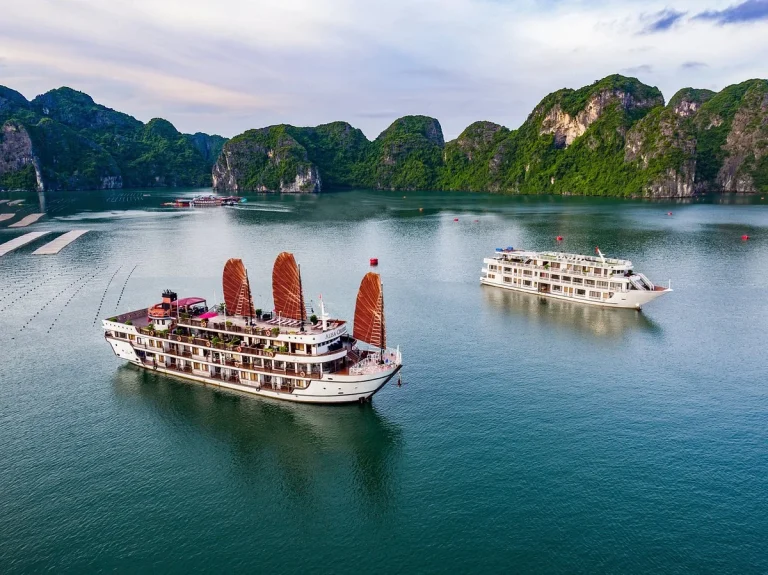
Halong Bay is one of Vietnam’s most famous travel destinations, known for its emerald waters, towering limestone islands, and breathtaking scenery. A cruise is the best way to experience this place, allowing you to explore hidden caves, peaceful lagoons, floating fishing villages, and secluded beaches.

With so many cruises to choose from, finding the right one can feel overwhelming. To help you plan your trip, here are ten of the best Halong Bay cruises to consider in 2026.

1. Paradise Grand Cruise

Paradise Grand Cruise is one of the most luxurious options for exploring Halong Bay and the nearby Bai Tu Long Bay. The elegant ship features spacious cabins with private balconies, fine dining restaurants, a spa, and a sundeck perfect for enjoying the stunning scenery.

Guests can enjoy activities such as kayaking, cave visits, cooking demonstrations, Tai Chi sessions, and squid fishing in the evening. The high level of service and modern facilities make it a favorite for couples and travelers seeking a premium experience.

2. Ambassador Cruise

Ambassador Cruise is known for its spacious design and upscale amenities. As one of the largest luxury cruise ships in Halong Bay, it offers stylish cabins, multiple restaurants, a piano lounge, and a large outdoor sundeck.

The cruise itinerary typically includes popular attractions such as Sung Sot Cave and Titov Island, along with kayaking and sunset entertainment. It’s an excellent choice for travelers looking for comfort and spectacular views.

3. Orchid Classic Cruise

Orchid Classic Cruise sails through both Halong Bay and Lan Ha Bay, offering a quieter alternative to some of the busier routes.

The cruise features elegant cabins with floor-to-ceiling windows, private balconies, and modern bathrooms. Guests can kayak through peaceful lagoons, swim in calm waters, and visit floating fishing villages while enjoying personalized service throughout the journey.

4. Stellar of the Seas

Stellar of the Seas combines luxury accommodations with impressive onboard facilities. In addition to spacious suites, the cruise offers a swimming pool, mini golf course, wine cellar, spa, and fitness center.

Many itineraries explore the less crowded Lan Ha Bay, where guests can kayak through hidden caves, visit secluded beaches, and enjoy scenic cycling excursions on Cat Ba Island.

This cruise is particularly popular with families and honeymooners.

5. Heritage Cruises Binh Chuan

Inspired by Vietnam’s maritime history, Heritage Cruises Binh Chuan offers a unique blend of traditional design and modern luxury.

The beautifully decorated ship features spacious suites, elegant dining rooms, an art gallery, and cultural performances that celebrate Vietnamese heritage.

The cruise focuses on Lan Ha Bay and provides opportunities for kayaking, swimming, and exploring picturesque coastal landscapes.

6. Indochine Cruise

Indochine Cruise stands out for its classic Indochinese architecture and refined atmosphere.

The ship offers large cabins with private balconies, excellent dining, and spacious public areas where guests can relax while taking in the spectacular limestone scenery.

Its carefully planned itineraries include visits to caves, floating villages, and quiet bays, making it a great choice for travelers seeking a relaxing cruise.

7. Peony Cruise

Peony Cruise is a boutique luxury cruise that explores Lan Ha Bay and nearby areas.

With fewer cabins than many larger ships, guests enjoy a quieter and more personalized experience. Modern rooms feature elegant interiors and panoramic windows, while onboard activities include kayaking, cooking classes, and sunset parties.

The friendly staff and excellent food consistently receive positive reviews from travelers.

8. Genesis Regal Cruise

Genesis Regal Cruise offers an excellent balance of comfort, value, and attentive service.

Guests stay in stylish cabins equipped with private balconies and modern amenities. The cruise itinerary includes visits to caves, kayaking adventures, and opportunities to swim in the bay’s crystal-clear waters.

Its smaller size creates a warm, welcoming atmosphere that many travelers appreciate.

9. Mon Chéri Cruise

Mon Chéri Cruise is another highly rated luxury option sailing through Lan Ha Bay.

The ship features beautifully designed suites, gourmet dining, a spa, and excellent service. Activities often include bamboo boat rides, cave exploration, kayaking, and cycling excursions on Cat Ba Island.

Its peaceful routes and elegant accommodations make it ideal for couples and small groups.

10. La Regina Grand Cruise

La Regina Grand Cruise offers spacious cabins, modern facilities, and carefully planned itineraries through Halong Bay and Lan Ha Bay.

Guests can enjoy Vietnamese cooking demonstrations, Tai Chi classes, kayaking, cave visits, and evening entertainment while relaxing aboard a comfortable luxury vessel.

The cruise provides an excellent combination of scenic exploration and onboard relaxation.

How to Choose the Right Halong Bay Cruise

When selecting a cruise, consider the following factors:

  • Trip Length: Day cruises are perfect if you’re short on time, while overnight cruises allow you to experience sunrise and sunset on the bay.
  • Destination: Some cruises explore Halong Bay, while others visit the quieter Lan Ha Bay or Bai Tu Long Bay.
  • Budget: Options range from affordable cruises to five-star luxury experiences.
  • Activities: Look for cruises that include kayaking, cave exploration, swimming, cooking classes, or cycling if these interest you.
  • Cabin Type: Private balconies and ocean-view suites can greatly enhance your experience.

Best Time to Take a Halong Bay Cruise

Halong Bay can be visited throughout the year, but some seasons offer more favorable weather.

  • October to April brings cooler temperatures and generally pleasant sightseeing conditions.
  • March and April often have comfortable weather with good visibility.
  • May to September offers warmer temperatures, though occasional rain showers and tropical storms are possible.

No matter the season, checking the weather forecast before your cruise is always recommended.

Tips for Enjoying Your Cruise

To make the most of your Halong Bay experience:

  • Book your cruise in advance, especially during peak travel seasons.
  • Pack comfortable clothing, sunscreen, sunglasses, and a hat.
  • Bring a light jacket for cooler evenings.
  • Carry a waterproof bag for electronics during kayaking trips.
  • Follow the crew’s safety instructions during excursions.
  • Take time to relax on the sundeck and enjoy the incredible scenery.

Final Thoughts

A Halong Bay cruise is one of the highlights of visiting Vietnam, offering unforgettable views of limestone islands, peaceful waters, and hidden caves. With options ranging from boutique ships to luxurious five-star vessels, there’s a cruise to suit every travel style and budget.

Choosing one of these top-rated cruises will help you experience the natural beauty of Halong Bay while enjoying excellent service, comfortable accommodations, and memorable activities along the way.
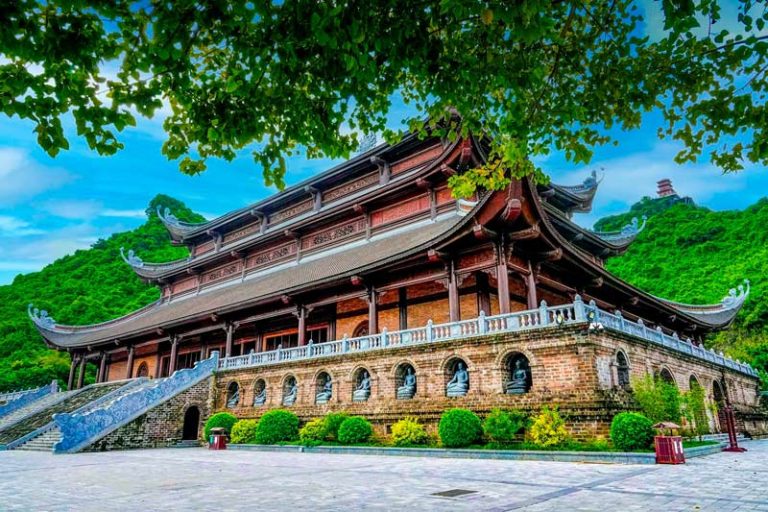
Vietnam is home to many beautiful Buddhist temples that reflect the country’s long history and rich cultural traditions. These sacred places attract both local worshippers and travelers who want to learn more about Buddhism and Vietnamese heritage.

From ancient pagodas to large modern temple complexes, each destination has its own unique charm. If you enjoy history, architecture, or peaceful surroundings, these Buddhist temples are well worth adding to your Vietnam travel itinerary.

1. Bai Dinh Pagoda (Ninh Binh)

Bai Dinh Pagoda is the largest Buddhist temple complex in Vietnam and one of the most impressive religious sites in Southeast Asia.

Located about 15 kilometers (9 miles) from the famous Trang An Landscape Complex, the sprawling complex covers hundreds of hectares and features magnificent halls, beautiful courtyards, and thousands of stone Buddha statues.

Highlights include a massive bronze Buddha statue, a towering bell tower, and long corridors lined with hundreds of Arhat statues. Visitors can also climb to higher viewpoints for panoramic views of the surrounding limestone mountains.

Bai Dinh is especially busy during the Lunar New Year and spring festival season when thousands of pilgrims visit to pray for good fortune.

2. Perfume Pagoda (Hanoi)

The Perfume Pagoda is one of Vietnam’s most sacred Buddhist pilgrimage sites.

Rather than a single temple, it is a complex of temples, shrines, and caves built into the Huong Son Mountains, about 60 kilometers (37 miles) southwest of Hanoi.

Reaching the main temple is part of the adventure. Visitors first take a scenic boat ride along the Yen River before walking or riding a cable car up the mountain.

The main shrine, Huong Tich Cave, features naturally formed rock formations and peaceful Buddhist altars that have attracted pilgrims for centuries.

3. One Pillar Pagoda (Hanoi)

One Pillar Pagoda is one of Vietnam’s most iconic landmarks and one of the country’s oldest Buddhist temples.

Originally built in 1049 during the Ly Dynasty, the pagoda stands on a single stone pillar rising from a small lotus pond. Its unique design resembles a lotus flower blooming from the water, symbolizing purity in Buddhism.

Although relatively small, the pagoda carries great historical and cultural significance and remains one of Hanoi’s most photographed attractions.

Its location near Ho Chi Minh Mausoleum makes it easy to visit while exploring the capital.

4. Linh Ung Pagoda (Da Nang)

Perched on the Son Tra Peninsula, Linh Ung Pagoda offers both spiritual beauty and spectacular coastal views.

The temple is best known for its towering 67-meter (220-foot) statue of the Lady Buddha, the tallest statue of its kind in Vietnam. Overlooking the East Sea, the statue is believed by many locals to protect fishermen and bring peace to the region.

Visitors can stroll through beautifully landscaped gardens, admire intricate Buddhist sculptures, and enjoy panoramic views of Da Nang’s coastline.

The peaceful atmosphere makes Linh Ung one of the city’s most popular attractions.

5. Vinh Nghiem Pagoda (Ho Chi Minh City)

Vinh Nghiem Pagoda is one of the largest and most important Buddhist temples in Ho Chi Minh City.

Completed in the 1970s, the temple blends traditional Vietnamese architecture with modern construction techniques. Its seven-story stone tower and beautifully carved wooden interiors attract both worshippers and tourists.

The spacious grounds provide a peaceful escape from the busy streets of the city, especially during major Buddhist festivals.

Visitors are welcome to observe daily prayers and admire the temple’s elegant design.

6. Thien Mu Pagoda (Hue)

Thien Mu Pagoda is one of the oldest and most famous Buddhist temples in Vietnam.

Situated on a hill overlooking the Perfume River in Hue, the pagoda has become one of the city’s most recognizable symbols.

Its seven-story octagonal tower, known as Phuoc Duyen Tower, was built in the mid-19th century and remains an iconic landmark.

The temple complex also features beautiful gardens, historic buildings, ancient bells, and peaceful courtyards that invite quiet reflection.

Many travelers combine a visit to Thien Mu Pagoda with a boat cruise along the Perfume River.

7. Truc Lam Zen Monastery (Da Lat)

Surrounded by pine forests and overlooking the picturesque Tuyen Lam Lake, Truc Lam Zen Monastery is one of Vietnam’s largest Zen Buddhist monasteries.

Unlike many historic pagodas, this monastery offers a tranquil environment focused on meditation and mindfulness.

Visitors can explore beautifully maintained gardens, admire colorful flower displays, and enjoy breathtaking lake views.

A cable car connecting Da Lat city center to the monastery provides one of the most scenic journeys in the region.

8. Ba Den Pagoda (Tay Ninh)

Located on Ba Den Mountain, the highest peak in southern Vietnam, Ba Den Pagoda has become one of the country’s most impressive spiritual destinations.

The mountain is home to several temples and shrines, many of which have welcomed pilgrims for hundreds of years. In recent years, the area has also gained international attention for its enormous Buddha statues and modern religious architecture.

Visitors can reach the summit by hiking or taking a cable car, where they are rewarded with sweeping views of the surrounding countryside.

The combination of mountain scenery and sacred temples makes Ba Den a memorable destination for both pilgrims and tourists.

Tips for Visiting Buddhist Temples in Vietnam

To ensure a respectful and enjoyable visit, keep these simple guidelines in mind:

  • Dress modestly by covering your shoulders and knees.
  • Remove hats before entering temple buildings.
  • Speak quietly and avoid disturbing worshippers.
  • Ask permission before photographing monks or religious ceremonies.
  • Remove your shoes if requested before entering certain areas.
  • Avoid touching sacred statues or religious objects.
  • Consider making a small donation to help support the temple.

Following these customs shows respect for local traditions and enhances your overall experience.

Final Thoughts

Visiting Buddhist temples is a great way to experience Vietnam’s culture and traditions. Each temple offers its own blend of history, beautiful architecture, and a peaceful atmosphere that leaves a lasting impression.

As you explore different regions of Vietnam, be sure to include some of these remarkable temples in your travel plans. They offer a deeper appreciation of the country’s spiritual heritage and are among Vietnam’s most memorable attractions.

Vietnam is famous for its flavorful cuisine, but its beverages are just as exciting to explore. From rich coffee and refreshing sugarcane juice to unique herbal teas and colorful fruit drinks, Vietnam offers a wide variety of beverages that reflect the country’s tropical climate and vibrant food culture. If you’re planning a trip to Vietnam, here are eight popular Vietnamese drinks you should try at least once.

1. Vietnamese Iced Coffee (Cà Phê Sữa Đá)

No drink represents Vietnam better than Cà Phê Sữa Đá, or Vietnamese iced coffee.

Made using a traditional metal phin filter, strong Vietnamese coffee slowly drips into a glass of sweetened condensed milk before being poured over ice. The result is a bold, smooth, and slightly sweet drink with an intense coffee flavor.

Vietnam is one of the world’s largest coffee producers, and its robusta beans give the coffee a rich taste that sets it apart from many other styles of coffee.

You’ll find Vietnamese iced coffee everywhere, from sidewalk cafés to upscale coffee houses.

2. Egg Coffee (Cà Phê Trứng)

Egg coffee is one of Vietnam’s most famous specialty drinks and a must-try when visiting Hanoi.

Invented in the 1940s, this unique beverage combines strong Vietnamese coffee with a creamy mixture of whipped egg yolk, sweetened condensed milk, and sugar.

The topping has a smooth, custard-like texture that balances the bold coffee beneath it. Although the ingredients may sound unusual, the drink is surprisingly rich, sweet, and delicious.

Many visitors compare it to enjoying coffee and dessert in the same cup.

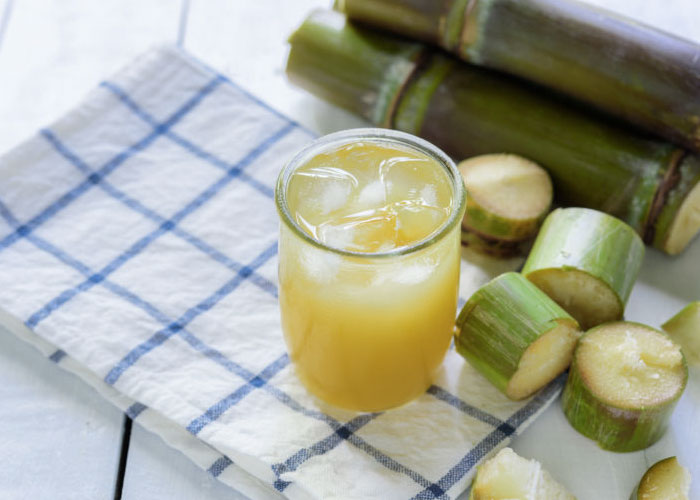
3. Fresh Sugarcane Juice (Nước Mía)

On hot days, few drinks are as refreshing as a glass of freshly pressed sugarcane juice.

Street vendors feed long sugarcane stalks through a mechanical press, extracting sweet juice that is often served over ice. Some vendors also add kumquat or a splash of citrus juice for extra freshness.

Naturally sweet and incredibly refreshing, Nước Mía is one of Vietnam’s most popular street drinks, especially during the summer months.

4. Coconut Coffee (Cà Phê Cốt Dừa)

Coconut coffee has become one of Vietnam’s most popular modern café drinks.

It combines strong Vietnamese coffee with a creamy blend of coconut milk, coconut cream, and crushed ice, creating a refreshing beverage with a texture similar to a smoothie.

The rich coffee pairs perfectly with the tropical sweetness of coconut, making it a favorite among both locals and international visitors.

Many cafés across Hanoi and Ho Chi Minh City now serve their own signature versions.

5. Lotus Tea (Trà Sen)

Lotus tea is one of Vietnam’s most elegant traditional beverages.

Premium green tea leaves are naturally scented with fragrant lotus flowers, creating a delicate floral aroma and smooth taste.

For centuries, lotus tea has been associated with hospitality, meditation, and special occasions. It is often served to guests or enjoyed during quiet moments of relaxation.

Its subtle flavor makes it an excellent choice for those who prefer lighter, less sweet drinks.

6. Salt Coffee (Cà Phê Muối)

Originally popularized in the central city of Hue, salt coffee has quickly gained popularity throughout Vietnam.

Despite its name, the drink isn’t salty in the way many people expect. Instead, a small amount of salt is added to creamy milk foam, enhancing the sweetness while balancing the bitterness of the coffee.

The result is a smooth, well-rounded drink with a rich, creamy texture and a surprisingly pleasant flavor.

Many travelers are pleasantly surprised by how harmonious the combination tastes.

7. Kumquat Tea (Trà Tắc)

Kumquat tea is a refreshing drink commonly found at street stalls and cafés across Vietnam.

Made with brewed tea, fresh kumquat juice, sugar, and ice, it offers the perfect balance of sweet, sour, and slightly bitter flavors.

Some versions also include honey, chia seeds, or aloe vera for additional texture and flavor.

Because of its refreshing taste, Trà Tắc is especially popular during Vietnam’s hot and humid weather.

8. Fresh Coconut Water (Nước Dừa)

Vietnam’s tropical climate makes fresh coconut water one of the country’s most refreshing natural drinks.

Served directly from a young green coconut, the water is naturally sweet, hydrating, and packed with electrolytes.

After enjoying the juice, many vendors will split open the coconut so you can eat the soft, tender flesh inside.

Whether you’re relaxing on a beach or exploring a local market, fresh coconut water is a simple and healthy way to stay refreshed.

Tips for Enjoying Vietnamese Drinks

To make the most of your beverage experience in Vietnam, keep these tips in mind:

  • Visit local cafés to experience authentic Vietnamese coffee.
  • Try both traditional and modern coffee creations.
  • Enjoy street drinks from busy vendors with high customer turnover.
  • Ask for less sugar if you prefer milder sweetness.
  • Bring cash when buying drinks from street stalls.
  • Don’t be afraid to try unique flavors like egg coffee or salt coffee.

Why Vietnamese Drinks Are So Special

Vietnamese beverages are deeply influenced by the country’s climate, agriculture, and culinary traditions. Coffee is a source of national pride, while tropical fruits, fragrant herbs, and fresh coconuts inspire many refreshing drinks enjoyed throughout the year.

Many beverages are prepared using simple, fresh ingredients, allowing natural flavors to shine. Whether you’re sipping coffee in a centuries-old café or enjoying sugarcane juice from a roadside stall, every drink offers a taste of everyday life in Vietnam.

Final Thoughts

Vietnam’s drink culture is as diverse and exciting as its cuisine. From the bold flavors of Vietnamese iced coffee and creamy egg coffee to refreshing sugarcane juice, lotus tea, and fresh coconut water, there’s something to suit every taste.

Trying these eight popular Vietnamese drinks is a delicious way to experience the country’s rich culinary traditions and discover flavors you’ll remember long after your trip ends.

Balut is one of Vietnam’s most famous—and often most surprising—street foods. For many locals, it’s a nutritious snack enjoyed any time of day, while for many foreign visitors, it’s an adventurous culinary experience.

If you’re curious about this unique delicacy, here’s everything you need to know about balut in Vietnam, including what it is, how to eat it, and a few helpful tips before giving it a try.

1. What Is Balut?

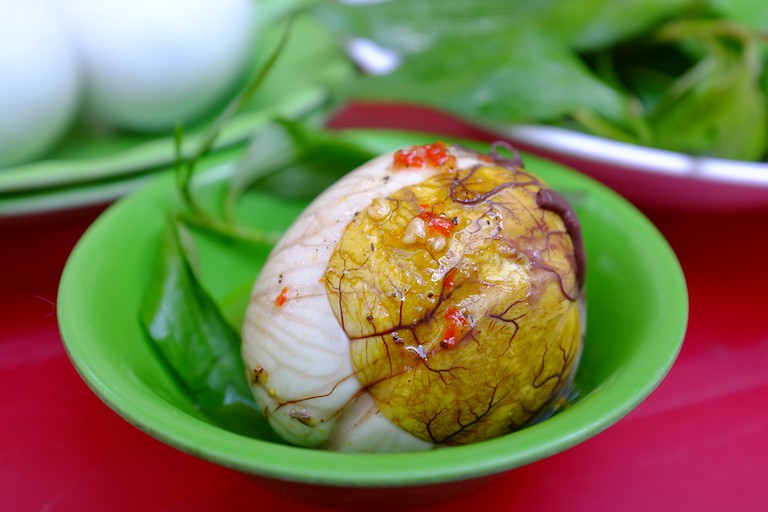
In Vietnam, balut is known as hột vịt lộn, which translates to “inside-out duck egg.” It is a fertilized duck egg that has been incubated for about 17 to 19 days before being boiled and eaten.

During this stage of development, the embryo has partially formed, giving balut its distinctive appearance and texture. While this may surprise first-time visitors, balut is considered a traditional delicacy in Vietnam and is commonly sold by street vendors, local markets, and small restaurants.

Balut has a rich, savory flavor that combines the creamy texture of the egg yolk with the tender duck embryo and flavorful broth inside the shell. Many people compare it to a cross between a hard-boiled egg and a rich chicken soup.

Vietnamese people often enjoy balut as an afternoon snack or a late-night meal. It is also commonly believed to be a nutritious food rich in protein, vitamins, and minerals.

2. How to Eat Balut in Vietnam

Trying balut for the first time can feel intimidating, but the process is quite simple. Most vendors serve it warm with a few traditional seasonings that enhance its flavor.

Crack the Top of the Shell

Start by gently tapping the wider end of the egg with a spoon to crack the shell.

Peel away just enough of the shell to create a small opening. This allows you to enjoy the flavorful broth inside before eating the rest of the egg.

Sip the Broth

Inside the egg, you’ll usually find a small amount of warm, savory liquid. Many locals consider this one of the most delicious parts of balut. Carefully sip the broth directly from the shell before continuing.

Add Traditional Seasonings

Balut is commonly served with a simple combination of seasonings that balance its rich flavor.

Popular accompaniments include:

  • Vietnamese salt and pepper
  • Fresh lime or calamansi juice
  • Vietnamese coriander (rau răm)
  • Thin slices of fresh ginger
  • Chili salt or fresh chili

Vietnamese coriander is especially popular because many people believe it complements the richness of the egg.

Eat with a Spoon

After enjoying the broth, continue peeling away the shell.

Use a small spoon to scoop out the egg, yolk, and embryo together. Some people eat everything in one bite, while others take smaller bites with herbs and seasonings.

There is no strict rule—the best way is simply to eat at a comfortable pace.

3. Things to Know When Eating Balut

If you’re planning to try balut in Vietnam, these tips will help you enjoy the experience.

It’s Best Served Hot

Balut is traditionally eaten immediately after boiling.

The warm broth and soft textures are considered much more enjoyable than when the egg has cooled.

If you’re buying balut from a street vendor, it’s usually cooked fresh and served piping hot.

Don’t Judge It by Its Appearance

Many travelers feel nervous after seeing the inside of a balut for the first time.

Remember that for millions of Vietnamese people, this is simply another traditional food enjoyed since childhood. If you’re open-minded, you may be pleasantly surprised by its flavor.

Start with One Egg

Balut is filling and rich in protein. If it’s your first time, ordering a single egg is usually enough to experience the taste without feeling overwhelmed.

Eat It Like a Local

The traditional combination of Vietnamese coriander, ginger, salt, pepper, and lime greatly enhances the flavor.

Even visitors who are unsure about balut often find that these simple seasonings make the experience much more enjoyable.

It’s Widely Available

Balut is sold throughout Vietnam.

You’ll commonly find it at:

  • Street food stalls
  • Local markets
  • Sidewalk vendors
  • Small neighborhood restaurants
  • Night markets

Prices are generally very affordable, making it one of the least expensive local foods to try.

It’s Considered Nutritious

Balut is often regarded as a nutritious snack because it contains:

  • Protein
  • Healthy fats
  • Iron
  • Calcium
  • Vitamin A
  • B vitamins

Many Vietnamese people eat it as a quick energy-boosting snack or a light evening meal.

Respect Local Customs

If you’re trying balut with Vietnamese friends, keep an open mind and avoid making negative comments about the appearance.

Showing curiosity and respect for local food traditions is always appreciated.

4. Is Balut Safe to Eat?

Yes, balut is generally safe to eat when it is freshly cooked and purchased from a clean, reputable vendor.

To reduce the risk of foodborne illness:

  • Eat balut while it’s still hot.
  • Buy from vendors with high customer turnover.
  • Avoid eggs that have been sitting out for long periods.
  • Wash your hands before eating if possible.

Like any street food, choosing a busy vendor is often a good sign that the food is fresh.

5. Why Is Balut So Popular in Vietnam?

Balut has remained popular for generations because it is affordable, filling, and deeply connected to Vietnamese food culture.

For many people, eating balut is associated with childhood memories, family gatherings, or enjoying a simple snack after work or school. It is also one of the many examples of Vietnam’s resourceful culinary traditions, where ingredients are used thoughtfully and with little waste.

Today, balut continues to attract adventurous travelers eager to experience authentic Vietnamese street food.

Final Thoughts

Balut is one of Vietnam’s most unique and iconic traditional foods. While its appearance may be unfamiliar to many first-time visitors, it has long been enjoyed by locals for its rich flavor and satisfying texture.

If you’re feeling adventurous, trying balut is a memorable way to experience Vietnam’s diverse food culture. With an open mind and a few traditional seasonings, you may discover a local delicacy that is far more enjoyable than you expected.

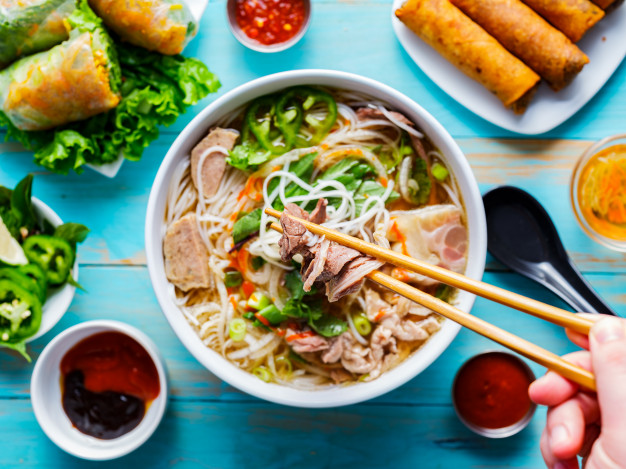
Vietnam is a country that is well known for its delicious cuisine, and chopsticks are an integral part of the meals in Vietnam. In this article, we will explore the etiquette of using chopsticks in Vietnamese meals.

1. History & Significance of Chopsticks in Vietnamese Cuisine

The use of chopsticks in Vietnam can be traced back to the early 2nd century BC. During the Chinese Han dynasty, chopsticks were introduced to Vietnam as part of the cultural exchange between China and Vietnam. Over time, the use of chopsticks became popular, and they became an essential part of Vietnamese dining culture.

Chopsticks are not only used for eating but also for cooking. In Vietnam, chopsticks are used to stir and mix the ingredients when preparing dishes. It is also used to transfer food from a shared plate to your bowl, and it is not considered hygienic to use your hands to pick up food from a shared plate.

Chopsticks are also considered a symbol of togetherness and sharing in Vietnamese culture. Sharing dishes is a common practice in Vietnamese meals, and using chopsticks to transfer food from a shared plate to your bowl is seen as a way to show respect and consideration for others.

2. Types of Chopsticks in Vietnam

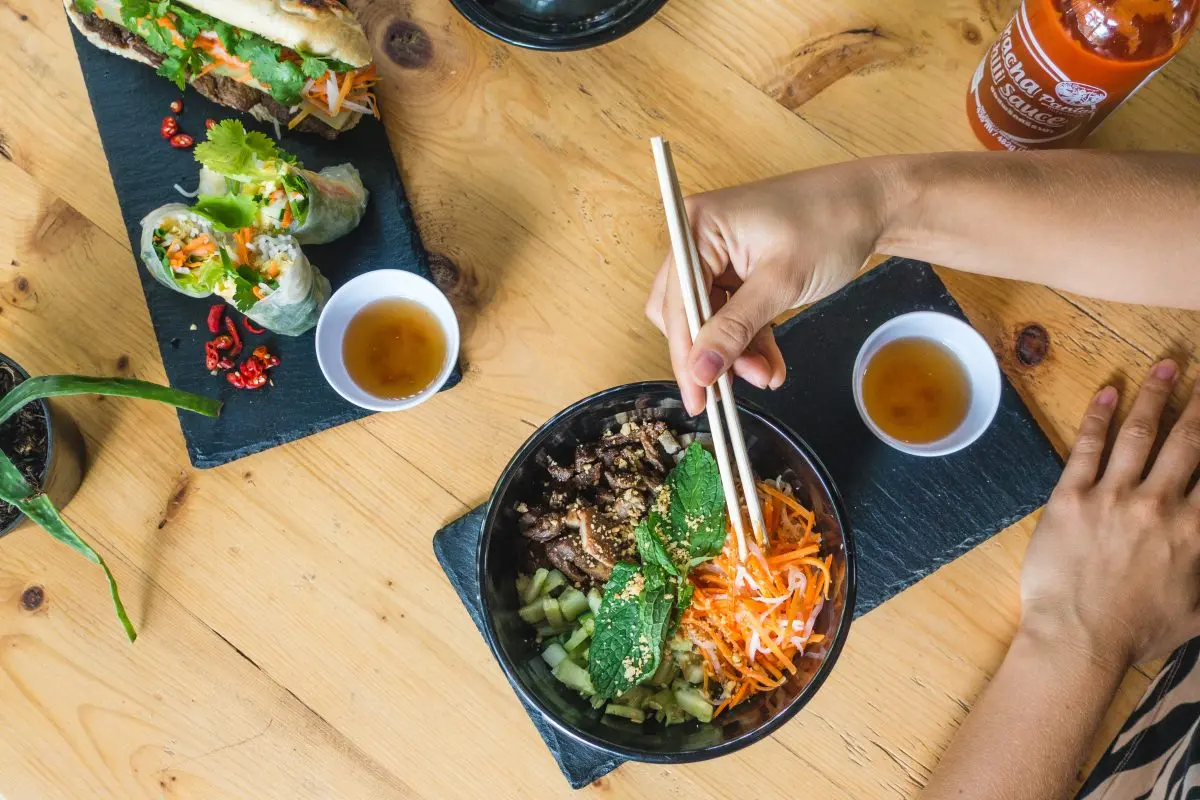
In Vietnam, chopsticks are typically made of wood or bamboo, and they come in different shapes and sizes. The most common type of chopsticks used in Vietnam is round with tapered ends. These chopsticks are usually 9-10 inches long, and they are easy to grip and manipulate.

Another type of chopstick used in Vietnam is a flat chopstick with blunt ends. These chopsticks are more commonly used in the northern regions of Vietnam, and they are ideal for picking up slippery noodles and thin slices of meat.

3. How To Use Chopsticks

Step 1: Hold the Chopsticks Correctly

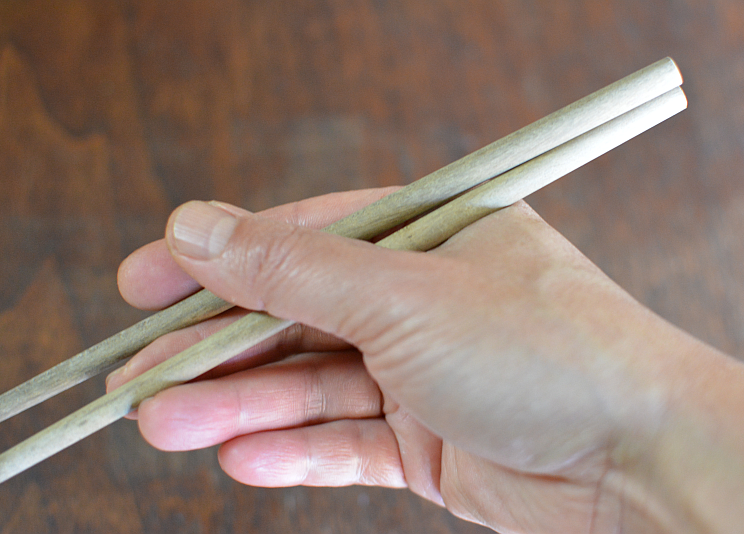
The first step in using chopsticks is to hold them correctly. To do this, hold one chopstick between your thumb and your index finger, and support it with your middle finger. The second chopstick should be placed between your index finger and your middle finger. Use your thumb to control the movement of the chopsticks.

Make sure that the tips of the chopsticks are even, and they are not too close or too far apart. This will ensure that you can pick up food easily without dropping it.

Step 2: Practice Opening & Closing the Chopsticks

Once you have held the chopsticks correctly, practice opening and closing them. To open the chopsticks, move your index finger and your middle finger apart, and to close them, bring your fingers back together.

Practice this motion until you can open and close the chopsticks smoothly and without dropping them.

Step 3: Pick Up Food

Now that you can hold and control the chopsticks, it’s time to pick up some food. To do this, place the chopsticks at the base of the food you want to pick up, and gently squeeze them together.

If you’re picking up small pieces of food, like rice or peas, use the tips of the chopsticks. For larger pieces of food, like a piece of chicken or a slice of sushi, use the middle of the chopsticks to grip the food.

Step 4: Practice With Different Types of Food

To become comfortable using chopsticks, practice with different types of food. Start with larger pieces of food, like a piece of chicken or a vegetable, and work your way up to smaller pieces of food, like grains of rice.

You can also practice with different types of cuisine that use chopsticks, like Chinese or Japanese food. This will help you get used to different shapes and sizes of chopsticks and different types of food.

4. Tips For Using Chopsticks

Relax your hand and arm when using chopsticks. Tension can make it harder to control the chopsticks.

Use the chopsticks to stir your food, as well as pick it up. This will help you get used to the movement of the chopsticks.

If you’re struggling to pick up food, try using a rubber band to hold the chopsticks together at the top. This will give you more control over the chopsticks.

Don’t be afraid to ask for a fork or spoon if you’re having trouble using chopsticks. It’s better to enjoy your meal than to struggle with chopsticks.

When you’re finished using the chopsticks, place them back on the chopstick rest or on the table. Don’t leave them on your plate or bowl.

5. Etiquettes of using Chopsticks in Vietnamese Meals

Chopsticks Placement

When sitting down for a meal, the first thing to do is to place your chopsticks on the chopstick holder or on the table in front of you. Do not place your chopsticks on the bowl, as this is a sign of disrespect.

Using chopsticks to serve yourself

When using chopsticks to serve yourself, use the opposite end of the chopsticks that you eat with. For example, if you are using your right hand to eat, use the left end of the chopsticks to serve yourself. This is to avoid contamination of the food.

Holding the chopsticks

To hold the chopsticks correctly, hold the first chopstick between your thumb and your index finger, and support it with your middle finger. The second chopstick should be placed between your index finger and your middle finger. Use your thumb to control the movement of the chopsticks.

Don’t use Chopsticks to gesture or point

Using chopsticks to gesture or point is considered impolite in Vietnamese culture. If you need to gesture, use your hands instead.

Don’t Play With Chopsticks

Playing with chopsticks, such as tapping them on the table or making clicking noises, is considered rude and disrespectful. Once you have finished eating, place your chopsticks back on the chopstick holder or on the table in front of you.

Passing Food

When passing food to someone, use the serving chopsticks or a clean pair of chopsticks. Do not use your eating chopsticks to pick up food from a shared plate.

Don’t Stick Chopsticks Vertically in Rice

Sticking chopsticks vertically in rice is a common practice in some cultures, but it is considered taboo in Vietnamese culture. It is believed to resemble the incense

In conclusion, chopsticks are an important part of Vietnamese culture, and using them correctly can make a big difference in how you enjoy your meal. Remembering to hold the chopsticks correctly, use them gently and respectfully, and follow proper etiquette, will show respect for the Vietnamese culture and enhance your dining experience.

By following these simple etiquettes, you can enjoy Vietnamese cuisine and culture to the fullest. Don’t be intimidated by using chopsticks, as with practice, anyone can learn to use them like a pro. So, take your time, be patient, and have fun mastering the art of using chopsticks in Vietnamese meals.

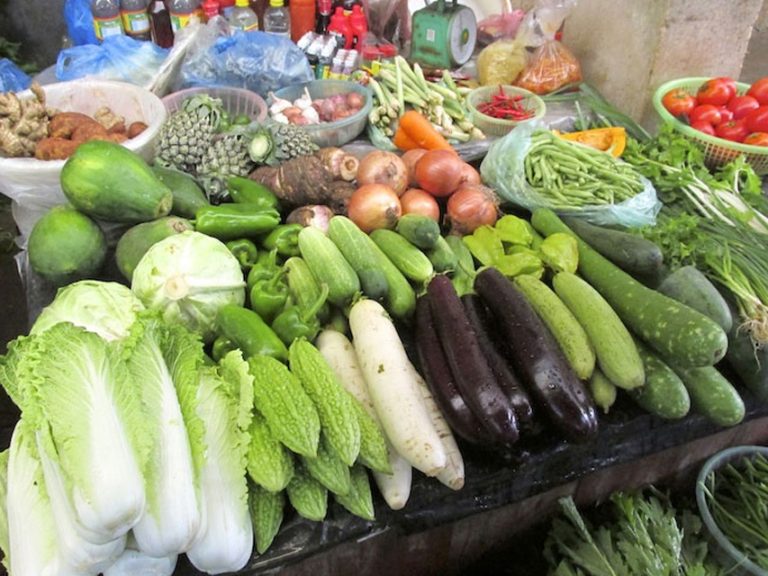
Vegetables are an essential part of Vietnamese cuisine, adding freshness, color, and flavor to everyday meals. They are enjoyed in many ways, including stir-fried, boiled, steamed, and served fresh alongside noodles, rice, and grilled dishes.

Thanks to Vietnam’s tropical climate, a wide variety of vegetables are available year-round. Here are ten of the most popular vegetables commonly found in traditional Vietnamese meals.

1. Water Spinach (Rau Muống)

Water spinach is one of the most beloved vegetables in Vietnam and appears on dining tables across the country.

Its hollow stems and tender leaves have a mild flavor and crisp texture, making it incredibly versatile. One of the most popular dishes is stir-fried water spinach with garlic (Rau Muống Xào Tỏi), where the vegetable is quickly cooked over high heat to retain its freshness and crunch.

Water spinach is also commonly boiled and served with fish sauce for dipping or added to sour soups in southern Vietnam.

Rich in vitamins A and C, iron, and fiber, it’s both nutritious and delicious.

2. Mustard Greens (Cải Xanh)

Mustard greens are another staple in Vietnamese households. Their slightly peppery flavor works well in a variety of dishes.

They are often stir-fried with garlic, cooked with pork, or added to noodle soups. During cooler months, mustard greens are frequently used in hearty broths.

Pickled mustard greens (Dưa Cải Chua) are also extremely popular. This tangy side dish is served with braised pork, roasted duck, and many traditional meals, especially during Tet.

3. Bok Choy (Cải Thìa)

Bok choy is widely used in both home cooking and restaurant dishes throughout Vietnam.

Its tender leaves and crunchy stems make it perfect for stir-fries, soups, and hot pots. Garlic stir-fried bok choy is one of the simplest and most popular preparations.

Because of its mild taste, bok choy pairs well with beef, chicken, tofu, mushrooms, and seafood.

It’s also packed with vitamins A, C, and K, making it a healthy addition to everyday meals.

4. Malabar Spinach (Rau Mồng Tơi)

Malabar spinach is known for its thick, glossy leaves and slightly slippery texture when cooked.

It is especially popular in Vietnamese soups, where it is often combined with shrimp, crab, or minced pork. One of the most common family dishes is Malabar spinach soup with shrimp, which is light, nutritious, and easy to prepare.

The vegetable thrives during Vietnam’s hot summers and is believed to have cooling properties, making it a favorite during warm weather.

5. Chayote (Su Su)

Chayote is a mild-flavored vegetable commonly grown in Vietnam’s mountainous regions, particularly around Sapa and Tam Dao.

Both the fruit and the tender shoots are edible. The fruit is often stir-fried with beef or garlic, while the shoots are prized for their crisp texture and delicate flavor.

Simple stir-fried chayote shoots have become a specialty dish in northern Vietnam and are frequently enjoyed with steamed rice.

6. Morning Glory Leaves (Rau Lang)

Sweet potato leaves are another nutritious vegetable commonly found in Vietnamese kitchens.

They can be boiled, stir-fried, or cooked into soups. Boiled sweet potato leaves are often served alongside fermented shrimp paste or fish sauce.

The leaves have a slightly earthy flavor and tender texture, making them a simple yet satisfying side dish.

They are also rich in antioxidants, vitamins, and dietary fiber.

7. Bitter Melon (Khổ Qua)

Bitter melon has a distinctive bitter taste that may surprise first-time visitors, but it is highly valued in Vietnamese cuisine.

One of the most famous dishes is stuffed bitter melon soup, where the hollowed fruit is filled with seasoned pork and mushrooms before being simmered in a clear broth.

This dish is especially popular during Lunar New Year because the name “khổ qua” can be interpreted as “hardships passing,” symbolizing hope for a better year ahead.

Despite its bitterness, many people appreciate its refreshing taste and potential health benefits.

8. Winter Melon (Bí Đao)

Winter melon is a light, refreshing vegetable commonly used in soups throughout Vietnam.

Its mild flavor allows it to absorb the taste of broths made with pork ribs, shrimp, or dried seafood.

Winter melon soup is particularly popular during hot weather because it is believed to help cool the body.

The vegetable is also low in calories while providing vitamins, minerals, and hydration.

9. Banana Blossom (Hoa Chuối)

Banana blossom is one of the most unique vegetables in Vietnamese cuisine.

Thinly sliced banana blossom is commonly served fresh in salads or as a crunchy accompaniment to noodle dishes such as Bún Bò Huế and Bún Riêu.

It has a slightly nutty flavor and crisp texture that pairs beautifully with herbs, peanuts, and tangy fish sauce dressings.

Many visitors are surprised to learn that the flower of the banana plant is an important ingredient in Vietnamese cooking.

10. Pumpkin Leaves and Shoots (Rau Bí)

Pumpkin leaves and young shoots are widely enjoyed in rural areas and are becoming increasingly popular in cities as well.

They are usually stir-fried with garlic or cooked into light soups with shrimp.

The tender vines have a pleasantly soft texture and subtle sweetness that pairs well with simple seasonings.

Pumpkin shoots are an excellent example of Vietnam’s resourceful cooking traditions, where nearly every edible part of a plant is used.

Why Vegetables Are So Important in Vietnamese Cuisine

Vietnamese meals are carefully balanced to include a variety of flavors, textures, and nutrients. Vegetables help create this balance by adding freshness and reducing the richness of meat-based dishes.

Many meals feature several vegetable dishes alongside rice, soup, and protein. Fresh herbs and leafy greens are also commonly served with spring rolls, grilled meats, and noodle dishes, allowing diners to customize each bite.

This emphasis on vegetables contributes to the light, healthy character of Vietnamese cuisine and is one reason it is widely regarded as one of the healthiest diets in the world.

Tips for Trying Vietnamese Vegetables

If you’re visiting Vietnam, don’t hesitate to explore the wide variety of local vegetables available at restaurants and markets.

Here are a few tips:

  • Try both cooked and fresh vegetables to experience different flavors and textures.
  • Order traditional stir-fried vegetable dishes as side dishes to accompany your meal.
  • Visit local markets to see the impressive range of seasonal produce.
  • Be open to trying unfamiliar vegetables like bitter melon or banana blossom.
  • Pair vegetables with Vietnamese dipping sauces for an authentic dining experience.

Final Thoughts

Vegetables are at the heart of Vietnamese cuisine, bringing freshness, nutrition, and balance to everyday meals. Exploring these ten popular Vietnamese vegetables is a delicious way to better understand the country’s rich culinary traditions and enjoy the wholesome ingredients that make Vietnamese food so distinctive.

A Vietnamese wedding is a meaningful celebration that brings together not only two people but also their families. Rooted in tradition, these weddings are known for their symbolic ceremonies, colorful attire, and strong emphasis on respect, gratitude, and family values.

While many modern couples include contemporary elements in their celebrations, traditional customs remain an important part of Vietnamese weddings and continue to reflect the country’s rich cultural heritage.

1. The Importance of Family in a Vietnamese Wedding

Family is at the heart of every Vietnamese wedding. Marriage is traditionally seen as the union of two families rather than just two individuals. Because of this, parents and close relatives play an active role in planning the wedding and participating in the ceremonies.

Respect for elders is one of the most important values in Vietnamese culture. Throughout the wedding, the bride and groom express gratitude to their parents and ancestors through formal rituals, symbolizing appreciation for the love and support they have received.

Even today, family approval and involvement remain significant, although younger generations often have more freedom in choosing their partners than in the past.

2. Traditional Vietnamese Wedding Ceremonies

A traditional Vietnamese wedding usually consists of several ceremonies, each with its own customs and symbolism. While practices may vary slightly between regions, the following events are commonly included.

2.1. Dạm Ngõ (The Meeting of Families)

The first official step is the Dạm Ngõ ceremony, often translated as the family meeting or proposal visit. During this informal gathering, the groom’s family visits the bride’s home to introduce themselves and discuss the couple’s intention to marry.

The families talk about wedding plans, choose tentative dates, and strengthen the relationship between both households. Although simple compared to later ceremonies, Dạm Ngõ is considered an important milestone.

2.2. Ăn Hỏi (Engagement Ceremony)

The Ăn Hỏi ceremony is one of the most recognizable Vietnamese wedding traditions.

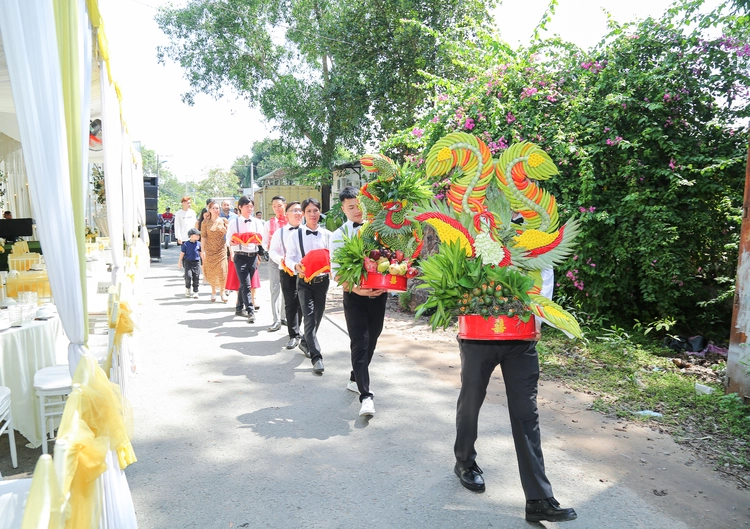
On this day, the groom’s family travels to the bride’s home carrying beautifully decorated red lacquer trays filled with symbolic gifts. These gifts are traditionally carried by unmarried young men, while unmarried women from the bride’s family receive them.

Common engagement gifts include:

  • Betel leaves and areca nuts
  • Tea
  • Wine
  • Fresh fruits
  • Cakes
  • Candies
  • Roasted pig (in many regions)
  • Jewelry for the bride

The families exchange greetings, the couple receives blessings, and the bride formally accepts the gifts. In many modern weddings, rings are also exchanged during this ceremony.

2.3. Lễ Cưới (Wedding Ceremony)

The wedding ceremony itself usually begins at the bride’s home.

The groom and his family arrive to officially welcome the bride into the groom’s family. After greetings and introductions, the couple performs an ancestral offering ceremony by lighting incense and praying before the family altar.

This ritual expresses gratitude to previous generations and asks for blessings for the couple’s future marriage.

The bride then leaves her family home with the groom and travels to his house, where another ancestral ceremony is often held.

3. Traditional Wedding Attire

One of the most beautiful aspects of a Vietnamese wedding is the traditional clothing.

The Bride’s Áo Dài

Many Vietnamese brides wear a stunning áo dài, a long silk tunic worn over matching trousers. Wedding áo dài are often made in red, gold, white, or pink and feature elegant embroidery with dragons, phoenixes, flowers, or other traditional patterns.

Some brides change into a Western-style white wedding gown for the reception while wearing the áo dài during the traditional ceremonies.

The Groom’s Attire

The groom may wear a matching traditional áo dài with a khăn đóng (traditional headdress), especially during the engagement and tea ceremonies. Many also change into a formal suit or tuxedo for the wedding banquet.

4. Symbolic Wedding Colors

Colors play an important role in Vietnamese weddings.

The most common colors include:

  • Red – happiness, luck, and prosperity
  • Gold – wealth and success
  • Pink – romance and joy
  • White – commonly used for modern wedding gowns

Red is considered especially lucky and appears throughout wedding decorations, envelopes, flowers, and clothing.

5. The Wedding Banquet

After the traditional ceremonies, guests gather for a large wedding reception.

Vietnamese wedding banquets are known for their generous menus and lively atmosphere. Depending on the family’s preferences and budget, receptions may be held at hotels, restaurants, banquet halls, or outdoor venues.

A typical banquet includes multiple courses, such as:

  • Appetizers
  • Seafood dishes
  • Chicken
  • Beef
  • Hot pot
  • Fried rice
  • Desserts
  • Fresh fruit

Guests enjoy speeches, live music, dancing, and games before raising glasses to congratulate the newlyweds.

6. Lucky Money and Wedding Gifts

Instead of bringing household gifts, most guests give cash in decorative red envelopes.

The amount varies depending on the guest’s relationship with the couple and local customs. Cash gifts help newlyweds begin their married life and often contribute to wedding expenses.

Some close relatives may also present gold jewelry or valuable keepsakes.

7. Regional Differences

Although Vietnamese weddings share many traditions, customs vary across the country.

Northern Vietnam

Northern weddings tend to emphasize traditional rituals and formal family ceremonies. Customs are often more conservative and closely follow long-established traditions.

Central Vietnam

Central Vietnam often features simpler ceremonies while maintaining strong ancestral traditions. Local customs differ from province to province.

Southern Vietnam

Southern weddings are generally more relaxed and colorful. Wedding receptions are often larger, with lively entertainment and modern influences blended into traditional ceremonies.

8. Modern Vietnamese Weddings

Today’s Vietnamese weddings often combine traditional customs with contemporary styles.

Modern celebrations may include:

  • Professional wedding photography
  • Destination weddings
  • Outdoor ceremonies
  • Wedding planners
  • Live bands or DJs
  • Personalized decorations
  • Western wedding cakes
  • First dances

Even with these modern additions, many couples continue to include ancestral offerings and family ceremonies as a way of honoring their heritage.

9. Wedding Etiquette for Foreign Guests

If you’re invited to a Vietnamese wedding, keeping a few customs in mind will help you make a good impression.

  • Dress neatly or wear formal attire.
  • Arrive on time.
  • Bring a red envelope containing a cash gift.
  • Congratulate the couple and their families.
  • Participate in the wedding toast.
  • Be respectful during traditional ceremonies.
  • Enjoy the meal and celebration with the other guests.

Vietnamese weddings are known for their warm hospitality, so visitors are usually welcomed with great kindness.

10. Interesting Facts About Vietnamese Weddings

  • Most traditional ceremonies take place at the family home before the reception.
  • Ancestor worship remains an important part of many weddings.
  • Red is considered the luckiest wedding color.
  • Cash gifts are more common than physical presents.
  • Wedding banquets often include six to ten courses.
  • Couples frequently have pre-wedding photo shoots months before the ceremony.
  • Many weddings now combine traditional áo dài with Western wedding dresses.

Final Thoughts

A Vietnamese wedding is a beautiful blend of tradition, family values, and joyful celebration. From the meaningful engagement ceremony and ancestral offerings to the elegant áo dài and festive banquet, every custom reflects the importance of love, respect, and unity.

While modern weddings continue to evolve, the traditions that have been passed down through generations remain at the heart of one of Vietnam’s most cherished cultural celebrations.

The Vietnamese zodiac is an important part of the country’s culture and traditions. Based on the lunar calendar, it consists of a 12-year cycle in which each year is represented by a different animal. Many Vietnamese people still associate the zodiac with personality traits, good fortune, and important life events.

Although it shares many similarities with the Chinese zodiac, the Vietnamese zodiac has its own unique features, most notably the Year of the Cat instead of the Year of the Rabbit. Learning about the zodiac offers an interesting glimpse into Vietnam’s rich cultural heritage.

1. What Is the Vietnamese Zodiac?

The Vietnamese zodiac is a 12-year cycle in which each year is represented by a different animal. According to traditional beliefs, the animal associated with the year of a person’s birth influences their personality, strengths, weaknesses, and even compatibility with others.

The zodiac follows the lunar calendar, meaning the zodiac year begins on Lunar New Year’s Day (Tết) rather than January 1. Because the date of Tết changes every year, people born in January or early February should check the lunar calendar to determine their correct zodiac sign.

The Vietnamese zodiac has been passed down for generations and remains an important part of traditional festivals, fortune-telling, and family customs.

2. The 12 Vietnamese Zodiac Animals

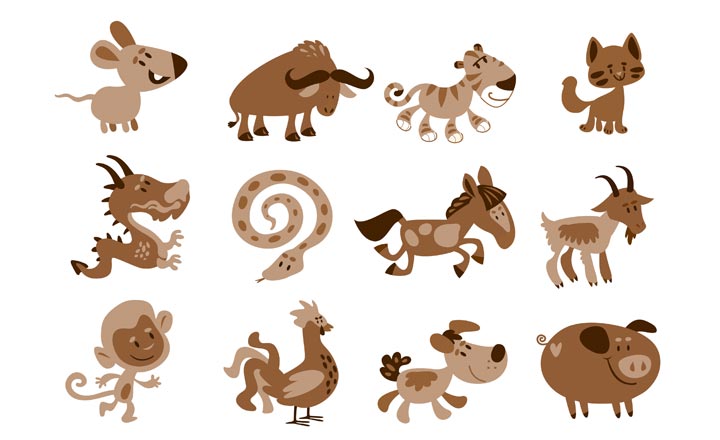
The twelve zodiac animals are:

  1. Rat ()
  2. Buffalo (Sửu)
  3. Tiger (Dần)
  4. Cat (Mão)
  5. Dragon (Thìn)
  6. Snake (Tỵ)
  7. Horse (Ngọ)
  8. Goat (Mùi)
  9. Monkey (Thân)
  10. Rooster (Dậu)
  11. Dog (Tuất)
  12. Pig (Hợi)

After the twelfth year, the cycle begins again with the Rat.

3. The Difference Between the Vietnamese and Chinese Zodiac

The Vietnamese zodiac is almost identical to the Chinese zodiac except for one famous difference:

  • Vietnam: Cat
  • China: Rabbit

Why does Vietnam use the Cat instead of the Rabbit?

There is no universally accepted explanation, but several theories exist.

One popular explanation involves language. The Chinese word for rabbit (mao) sounds similar to the Vietnamese word for cat (mèo), which may have led to the substitution over time.

Another theory suggests that rabbits were relatively uncommon in ancient Vietnam, while cats played an important role in protecting rice fields and food storage from rats. Because cats were familiar and highly valued by farming communities, they naturally became part of Vietnamese folklore.

Today, the Year of the Cat is one of the most distinctive features of Vietnamese culture.

4. What Each Zodiac Animal Represents

Each animal is believed to have its own personality traits.

Rat

People born in the Year of the Rat are often considered intelligent, resourceful, adaptable, and quick thinkers. They are believed to perform well in business and enjoy solving problems.

Buffalo

The Buffalo symbolizes diligence, honesty, patience, and perseverance. People born under this sign are often viewed as dependable workers who value responsibility and family.

Tiger

The Tiger represents courage, confidence, and leadership. Tiger-born individuals are often adventurous, energetic, and willing to take risks.

Cat

The Cat symbolizes gentleness, elegance, intelligence, and diplomacy. People born in the Year of the Cat are believed to be calm, compassionate, and good at maintaining harmonious relationships.

Dragon

The Dragon is associated with power, success, wisdom, and good fortune. It is one of the most respected zodiac signs and is often linked with ambition and strong leadership.

Snake

The Snake represents wisdom, intuition, patience, and careful planning. Snake-born individuals are often thoughtful and analytical.

Horse

People born in the Year of the Horse are believed to be energetic, independent, optimistic, and sociable. They often enjoy travel and new experiences.

Goat

The Goat symbolizes kindness, creativity, and compassion. Goat-born individuals are often artistic and appreciate peaceful surroundings.

Monkey

The Monkey is associated with intelligence, curiosity, humor, and creativity. These individuals are often excellent problem-solvers with lively personalities.

Rooster

The Rooster represents confidence, honesty, organization, and hard work. People born under this sign often enjoy planning and paying attention to detail.

Dog

The Dog symbolizes loyalty, fairness, honesty, and protectiveness. Dog-born people are often trusted friends who value justice and strong relationships.

Pig

The Pig represents generosity, sincerity, and good fortune. People born in the Year of the Pig are often considered warm-hearted, patient, and optimistic.

5. The Five Elements

In addition to the twelve animals, the Vietnamese zodiac also incorporates the Five Elements, which further shape a person’s characteristics.

The five elements are:

  • Wood
  • Fire
  • Earth
  • Metal
  • Water

Each animal sign combines with one of these elements, creating a complete cycle that repeats every 60 years.

For example, someone may be born in the Year of the Wood Dragon, Fire Horse, or Metal Buffalo. Traditional astrology suggests that both the animal sign and the element influence personality and destiny.

6. The Zodiac and Vietnamese Culture

The zodiac continues to play an important role in many Vietnamese traditions.

Lunar New Year (Tết)

Each Lunar New Year is associated with one of the twelve zodiac animals. Decorations, greeting cards, calendars, and festive ornaments often feature that year’s animal.

Many families display artwork or figurines representing the zodiac sign to welcome good luck and prosperity.

Choosing Important Dates

Some Vietnamese families consult the lunar calendar and zodiac when selecting dates for:

  • Weddings
  • Housewarming ceremonies
  • Business openings
  • Groundbreaking ceremonies
  • Major family celebrations

A favorable zodiac day is traditionally believed to bring greater success and harmony.

Naming Children

Although less common today, some families consider the zodiac when choosing names or predicting a child’s future personality.

Compatibility

Traditional beliefs also suggest that certain zodiac animals are more compatible than others in friendships, business partnerships, and marriage.

While many modern Vietnamese view these ideas as cultural traditions rather than strict rules, zodiac compatibility remains a popular topic of conversation.

7. Zodiac Animals in Vietnamese Art and Festivals

The zodiac appears throughout Vietnamese culture.

You’ll find zodiac animals decorating:

  • Tet markets
  • Traditional paintings
  • Folk art
  • Pottery
  • Calligraphy
  • Temple decorations
  • Souvenir shops
  • Postage stamps

During Tet, giant sculptures of the year’s zodiac animal are often displayed in flower festivals and city parks across Vietnam.

These colorful displays have become favorite photo spots for both locals and tourists.

8. Should Travelers Learn About the Vietnamese Zodiac?

Absolutely.

Learning about the Vietnamese zodiac helps visitors better understand local traditions and conversations during Tet and other festivals.

Many souvenir shops sell zodiac-themed artwork, lucky charms, jewelry, and handcrafted decorations. Knowing your Vietnamese zodiac sign can also make your travel experience more engaging, especially when visiting temples, museums, or cultural performances.

Even if you don’t personally believe in astrology, the zodiac remains an important part of Vietnam’s cultural heritage.

9. Fun Facts About the Vietnamese Zodiac

  • Vietnam celebrates the Year of the Cat, not the Rabbit.
  • The zodiac follows the lunar calendar, not the Gregorian calendar.
  • The complete zodiac cycle repeats every 12 years.
  • When combined with the Five Elements, the full cycle repeats every 60 years.
  • Zodiac animals are especially visible during Tet celebrations.
  • Many Vietnamese people still consult the zodiac for important life events and lucky dates.

Final Thoughts

The Vietnamese zodiac is much more than a collection of animal signs—it reflects centuries of tradition, folklore, and cultural beliefs that continue to shape Vietnamese life today. From the unique Year of the Cat to the influence of the Five Elements, the zodiac offers a fascinating glimpse into Vietnam’s heritage. Whether you’re visiting during Tet or simply exploring the country’s rich culture, understanding the Vietnamese zodiac can add a deeper appreciation for the customs and traditions that make Vietnam so unique.

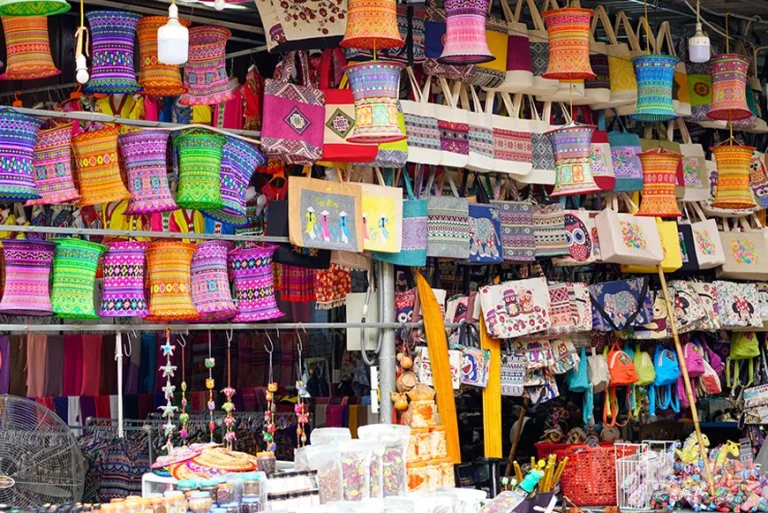
Bringing home a souvenir is one of the best ways to remember your trip to Vietnam. From handcrafted goods and traditional clothing to locally produced coffee and delicious snacks, Vietnam offers a wide variety of unique gifts that reflect its rich culture and craftsmanship.

Many souvenirs are handmade by local artisans, making them meaningful keepsakes while also supporting traditional industries. Here are ten of the best Vietnam souvenirs that foreign tourists should consider buying in 2026.

1. Vietnamese Coffee

Vietnam is the world’s second-largest coffee producer and is famous for its bold, rich robusta beans. Coffee is one of the country’s most popular souvenirs because it’s lightweight, affordable, and easy to pack.

Visitors can choose from ground coffee, whole beans, or instant Vietnamese coffee from well-known brands like Trung Nguyên Legend, Highlands Coffee, and King Coffee. Specialty beans from Da Lat and Buon Ma Thuot are also excellent choices for coffee enthusiasts.

For an authentic experience at home, consider purchasing a traditional stainless steel phin coffee filter along with your coffee.

2. Non La (Vietnamese Conical Hat)

The Nón Lá, or Vietnamese conical hat, is one of the country’s most recognizable cultural symbols.

Made from palm leaves and bamboo, these lightweight hats have been worn by Vietnamese farmers for centuries to protect against both sun and rain. Today, they are popular souvenirs for travelers looking for an iconic reminder of Vietnam.

Many markets also sell hand-painted or embroidered versions that make attractive decorative pieces.

3. Ao Dai

The Áo Dài is Vietnam’s elegant traditional outfit, known for its long flowing tunic worn over trousers.

Many visitors purchase ready-made versions or have one custom-tailored during their trip, especially in cities like Hoi An, where skilled tailors can create a personalized áo dài in just a few days.

Even if you don’t plan to wear it regularly, an áo dài is a beautiful keepsake representing Vietnamese culture and craftsmanship.

4. Vietnamese Lacquerware

Vietnamese lacquerware is admired around the world for its beautiful finish and intricate hand-painted designs.

Artisans create bowls, trays, jewelry boxes, vases, coasters, and decorative artwork using multiple layers of lacquer applied by hand.

Many pieces feature traditional Vietnamese landscapes, lotus flowers, cranes, or scenes from daily life, making them both practical and artistic souvenirs.

5. Silk Products

Vietnam produces high-quality silk that is both luxurious and surprisingly affordable.

Popular silk souvenirs include:

  • Scarves
  • Ties
  • Dresses
  • Pajamas
  • Handbags
  • Pillowcases

Hoi An is especially famous for its silk shops and tailor-made clothing, while Hanoi also offers many reputable silk boutiques.

When shopping, look for stores that clearly label genuine silk to ensure you’re purchasing an authentic product.

6. Hand-Embroidered Crafts

Vietnam’s skilled artisans produce beautiful hand-embroidered products featuring flowers, landscapes, birds, and traditional village scenes.

Popular items include:

  • Table runners
  • Pillow covers
  • Handbags
  • Wall art
  • Handkerchiefs

Each piece showcases remarkable attention to detail and often takes many hours to complete, making these gifts both meaningful and unique.

7. Bamboo and Rattan Handicrafts

Eco-friendly bamboo and rattan products have become increasingly popular among international visitors.

Local artisans create a wide range of handcrafted items such as:

  • Baskets
  • Lamps
  • Trays
  • Storage boxes
  • Coasters
  • Decorative home accessories

These products combine traditional craftsmanship with sustainable materials, making them attractive souvenirs for environmentally conscious travelers.

8. Vietnamese Ceramics

Vietnam has a long tradition of pottery and ceramic production dating back hundreds of years.

Ceramic villages such as Bat Trang near Hanoi produce beautifully crafted bowls, teacups, plates, vases, and tea sets decorated with classic blue-and-white patterns or colorful modern designs.

Many shops also sell carefully packaged ceramics suitable for international travel.

9. Fish Sauce and Local Food Products

Food lovers may enjoy bringing home some of Vietnam’s most famous flavors.

Popular edible souvenirs include:

  • Premium fish sauce from Phu Quoc
  • Vietnamese spices
  • Cinnamon
  • Star anise
  • Pepper
  • Green tea
  • Lotus tea
  • Dried tropical fruits

These products allow visitors to recreate authentic Vietnamese dishes long after returning home.

Be sure to check your country’s customs regulations before packing liquid food products like fish sauce.

10. Dong Ho Folk Paintings

Dong Ho paintings are one of Vietnam’s oldest forms of traditional folk art.

Originally created using natural pigments and woodblock printing techniques, these colorful artworks often depict rural life, festivals, animals, and symbols of prosperity.

Today, visitors can purchase both traditional and modern versions that make meaningful cultural souvenirs or decorative pieces for the home.

Where to Buy Souvenirs in Vietnam

Excellent places to shop include:

  • Ben Thanh Market (Ho Chi Minh City)
  • Dong Xuan Market (Hanoi)
  • Hoi An Ancient Town
  • Bat Trang Ceramic Village
  • Local night markets
  • Airport duty-free shops
  • Artisan boutiques
  • Traditional craft villages

Shopping at local markets often allows you to interact directly with artisans and support small family businesses.

Tips for Buying Souvenirs

To make your shopping experience easier, keep these tips in mind:

  • Compare prices before making large purchases.
  • Bargaining is common in traditional markets but less common in fixed-price stores.
  • Check quality carefully, especially for silk and handmade items.
  • Pack fragile souvenirs securely or ask the shop to wrap them.
  • Keep receipts for valuable purchases.
  • Verify customs regulations for food products before traveling home.

Final Thoughts

Vietnam offers an incredible selection of souvenirs that reflect the country’s rich culture, skilled craftsmanship, and culinary traditions. From aromatic coffee and elegant silk products to handmade ceramics and traditional artwork, these unique gifts make wonderful reminders of your journey. No matter where you travel in Vietnam, you’ll find memorable souvenirs that let you take a small piece of the country’s charm home with you.

The War Remnants Museum is one of the most visited and thought-provoking museums in Vietnam. Located in the heart of Ho Chi Minh City, it offers visitors a deeper understanding of the Vietnam War and its lasting impact on the country and its people.

Through photographs, military equipment, historical documents, and personal stories, the museum presents a powerful look at one of the most significant periods in Vietnam’s modern history. Whether you’re a history enthusiast or simply want to learn more about Vietnam’s past, the War Remnants Museum is an essential stop during your visit to Ho Chi Minh City.

1. History of the War Remnants Museum

The War Remnants Museum first opened to the public in 1975, shortly after the end of the Vietnam War. Originally established to preserve historical materials from the conflict, the museum has expanded significantly over the decades.

Today, it houses thousands of photographs, artifacts, military vehicles, documents, and multimedia exhibits that help explain the events of the war and its long-term effects. It has become one of Vietnam’s most important historical museums, attracting millions of domestic and international visitors each year.

The museum’s mission is not only to preserve history but also to encourage peace by helping visitors understand the human cost of armed conflict.

2. Location and How to Get There

The War Remnants Museum is located in District 3, just a short distance from many of Ho Chi Minh City’s most popular attractions.

Its central location makes it easy to reach by:

  • Taxi
  • Ride-hailing services such as Grab
  • Public bus
  • Walking from nearby landmarks like the Independence Palace or Notre-Dame Cathedral Basilica of Saigon

Many travelers combine the museum with other nearby attractions during a full day of sightseeing in the city center.

3. What You’ll See at the Museum

The museum is spread across several floors, with both indoor and outdoor exhibition areas. Each section explores different aspects of the Vietnam War through photographs, historical records, and preserved artifacts.

The exhibitions are presented in both Vietnamese and English, making them accessible to international visitors.

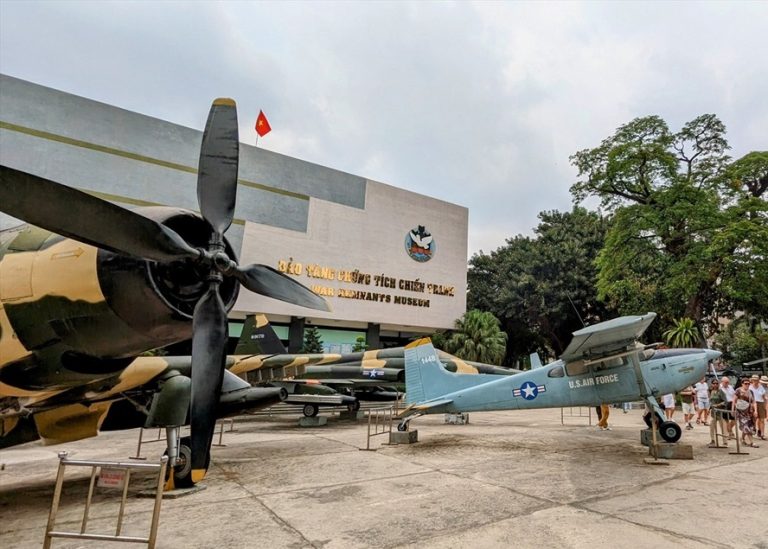
Outdoor Military Equipment Display

Before entering the museum building, visitors encounter a large collection of military vehicles displayed in the courtyard.

These include:

  • Fighter aircraft
  • Helicopters
  • Tanks
  • Armored vehicles
  • Artillery pieces

These exhibits provide an opportunity to see military equipment used during the conflict and understand the scale of the war.

Historical Photograph Galleries

One of the museum’s most memorable sections features extensive collections of historical photographs.

Many images were taken by international and Vietnamese photojournalists who documented the war firsthand. The photographs capture daily life, battlefield conditions, humanitarian efforts, and the experiences of civilians during the conflict.

Several exhibits also honor photographers who lost their lives while reporting from Vietnam.

Documentary Exhibits

Throughout the museum, visitors can explore collections of newspaper articles, official documents, maps, personal letters, and historical timelines.

These exhibits help explain the political background of the war, major military campaigns, and international reactions during different stages of the conflict.

Interactive displays and multimedia presentations provide additional historical context.

Humanitarian Exhibits

Several galleries focus on the long-term humanitarian impact of the Vietnam War.

Visitors learn about the challenges faced by civilians during and after the conflict, including displacement, rebuilding communities, and ongoing recovery efforts.

These exhibitions encourage reflection on the importance of peace and international cooperation.

4. The Museum Experience

A visit to the War Remnants Museum can be an emotional experience. The exhibitions address difficult historical events and present personal stories from people affected by the war.

Many visitors describe the museum as educational, moving, and thought-provoking rather than simply a display of military history.

The museum encourages guests to spend time reading the exhibit descriptions and viewing the documentary materials to gain a deeper understanding of Vietnam’s modern history.

5. Visitor Information

The museum is open throughout the week, making it easy to include in almost any travel itinerary.

Most visitors spend between one and three hours exploring the exhibitions, although history enthusiasts may choose to stay longer.

A modest admission fee makes it one of the most affordable museums in Ho Chi Minh City.

Photography is generally allowed in many public areas, but visitors should always follow posted guidelines and respect any restrictions inside specific galleries.

6. Tips for Visiting

To make the most of your visit, consider the following tips:

  • Arrive early in the morning to avoid larger crowds.
  • Allow at least two hours to explore the exhibits comfortably.
  • Wear comfortable shoes, as you’ll be walking through multiple floors and outdoor displays.
  • Read the exhibit descriptions to better understand the historical context.
  • Bring water, especially during Ho Chi Minh City’s hot weather.
  • Visit nearby attractions such as Independence Palace or Ben Thanh Market afterward to complete your day.

7. Nearby Attractions

Because of its central location, the museum is close to several of Ho Chi Minh City’s most famous landmarks.

Popular nearby attractions include:

  • Independence Palace
  • Notre-Dame Cathedral Basilica of Saigon
  • Saigon Central Post Office
  • Book Street
  • Ben Thanh Market
  • Tao Dan Park

Many visitors explore several of these attractions on the same day.

8. Why Visit the War Remnants Museum?

The War Remnants Museum offers much more than historical artifacts. It provides valuable insight into the experiences of people who lived through one of the most significant conflicts of the twentieth century.

By combining photographs, documents, preserved equipment, and personal stories, the museum helps visitors understand both the historical events and the lasting human impact of war.

It is widely regarded as one of the most meaningful museums in Vietnam and continues to educate millions of visitors from around the world.

Final Thoughts

The War Remnants Museum is an essential destination for anyone interested in Vietnam’s history. Its carefully curated exhibitions provide a powerful and educational perspective on the Vietnam War while promoting reflection on the importance of peace. A visit to this museum offers a deeper appreciation of Vietnam’s resilience and serves as a meaningful addition to any Ho Chi Minh City itinerary.