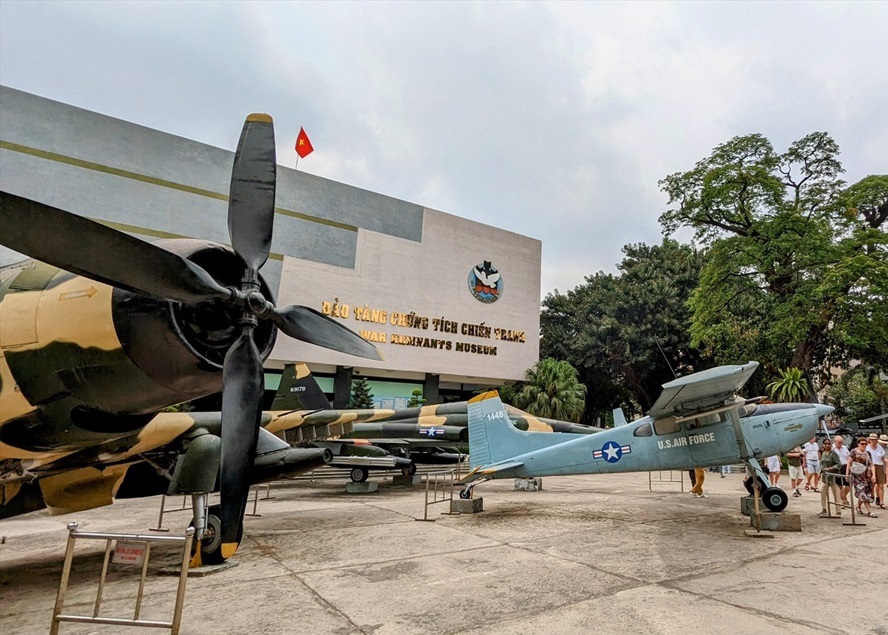
The War Remnants Museum is one of the most visited and thought-provoking museums in Vietnam. Located in the heart of Ho Chi Minh City, it offers visitors a deeper understanding of the Vietnam War and its lasting impact on the country and its people.
Through photographs, military equipment, historical documents, and personal stories, the museum presents a powerful look at one of the most significant periods in Vietnam’s modern history. Whether you’re a history enthusiast or simply want to learn more about Vietnam’s past, the War Remnants Museum is an essential stop during your visit to Ho Chi Minh City.
1. History of the War Remnants Museum
The War Remnants Museum first opened to the public in 1975, shortly after the end of the Vietnam War. Originally established to preserve historical materials from the conflict, the museum has expanded significantly over the decades.
Today, it houses thousands of photographs, artifacts, military vehicles, documents, and multimedia exhibits that help explain the events of the war and its long-term effects. It has become one of Vietnam’s most important historical museums, attracting millions of domestic and international visitors each year.
The museum’s mission is not only to preserve history but also to encourage peace by helping visitors understand the human cost of armed conflict.
2. Location and How to Get There
The War Remnants Museum is located in District 3, just a short distance from many of Ho Chi Minh City’s most popular attractions.
Its central location makes it easy to reach by:
- Taxi
- Ride-hailing services such as Grab
- Public bus
- Walking from nearby landmarks like the Independence Palace or Notre-Dame Cathedral Basilica of Saigon
Many travelers combine the museum with other nearby attractions during a full day of sightseeing in the city center.
3. What You’ll See at the Museum
The museum is spread across several floors, with both indoor and outdoor exhibition areas. Each section explores different aspects of the Vietnam War through photographs, historical records, and preserved artifacts.
The exhibitions are presented in both Vietnamese and English, making them accessible to international visitors.
Outdoor Military Equipment Display
Before entering the museum building, visitors encounter a large collection of military vehicles displayed in the courtyard.
These include:
- Fighter aircraft
- Helicopters
- Tanks
- Armored vehicles
- Artillery pieces
These exhibits provide an opportunity to see military equipment used during the conflict and understand the scale of the war.
Historical Photograph Galleries
One of the museum’s most memorable sections features extensive collections of historical photographs.
Many images were taken by international and Vietnamese photojournalists who documented the war firsthand. The photographs capture daily life, battlefield conditions, humanitarian efforts, and the experiences of civilians during the conflict.
Several exhibits also honor photographers who lost their lives while reporting from Vietnam.
Documentary Exhibits
Throughout the museum, visitors can explore collections of newspaper articles, official documents, maps, personal letters, and historical timelines.
These exhibits help explain the political background of the war, major military campaigns, and international reactions during different stages of the conflict.
Interactive displays and multimedia presentations provide additional historical context.
Humanitarian Exhibits
Several galleries focus on the long-term humanitarian impact of the Vietnam War.
Visitors learn about the challenges faced by civilians during and after the conflict, including displacement, rebuilding communities, and ongoing recovery efforts.
These exhibitions encourage reflection on the importance of peace and international cooperation.
4. The Museum Experience
A visit to the War Remnants Museum can be an emotional experience. The exhibitions address difficult historical events and present personal stories from people affected by the war.
Many visitors describe the museum as educational, moving, and thought-provoking rather than simply a display of military history.
The museum encourages guests to spend time reading the exhibit descriptions and viewing the documentary materials to gain a deeper understanding of Vietnam’s modern history.
5. Visitor Information
The museum is open throughout the week, making it easy to include in almost any travel itinerary.
Most visitors spend between one and three hours exploring the exhibitions, although history enthusiasts may choose to stay longer.
A modest admission fee makes it one of the most affordable museums in Ho Chi Minh City.
Photography is generally allowed in many public areas, but visitors should always follow posted guidelines and respect any restrictions inside specific galleries.
6. Tips for Visiting
To make the most of your visit, consider the following tips:
- Arrive early in the morning to avoid larger crowds.
- Allow at least two hours to explore the exhibits comfortably.
- Wear comfortable shoes, as you’ll be walking through multiple floors and outdoor displays.
- Read the exhibit descriptions to better understand the historical context.
- Bring water, especially during Ho Chi Minh City’s hot weather.
- Visit nearby attractions such as Independence Palace or Ben Thanh Market afterward to complete your day.
7. Nearby Attractions
Because of its central location, the museum is close to several of Ho Chi Minh City’s most famous landmarks.
Popular nearby attractions include:
- Independence Palace
- Notre-Dame Cathedral Basilica of Saigon
- Saigon Central Post Office
- Book Street
- Ben Thanh Market
- Tao Dan Park
Many visitors explore several of these attractions on the same day.
8. Why Visit the War Remnants Museum?
The War Remnants Museum offers much more than historical artifacts. It provides valuable insight into the experiences of people who lived through one of the most significant conflicts of the twentieth century.
By combining photographs, documents, preserved equipment, and personal stories, the museum helps visitors understand both the historical events and the lasting human impact of war.
It is widely regarded as one of the most meaningful museums in Vietnam and continues to educate millions of visitors from around the world.
Final Thoughts
The War Remnants Museum is an essential destination for anyone interested in Vietnam’s history. Its carefully curated exhibitions provide a powerful and educational perspective on the Vietnam War while promoting reflection on the importance of peace. A visit to this museum offers a deeper appreciation of Vietnam’s resilience and serves as a meaningful addition to any Ho Chi Minh City itinerary.
