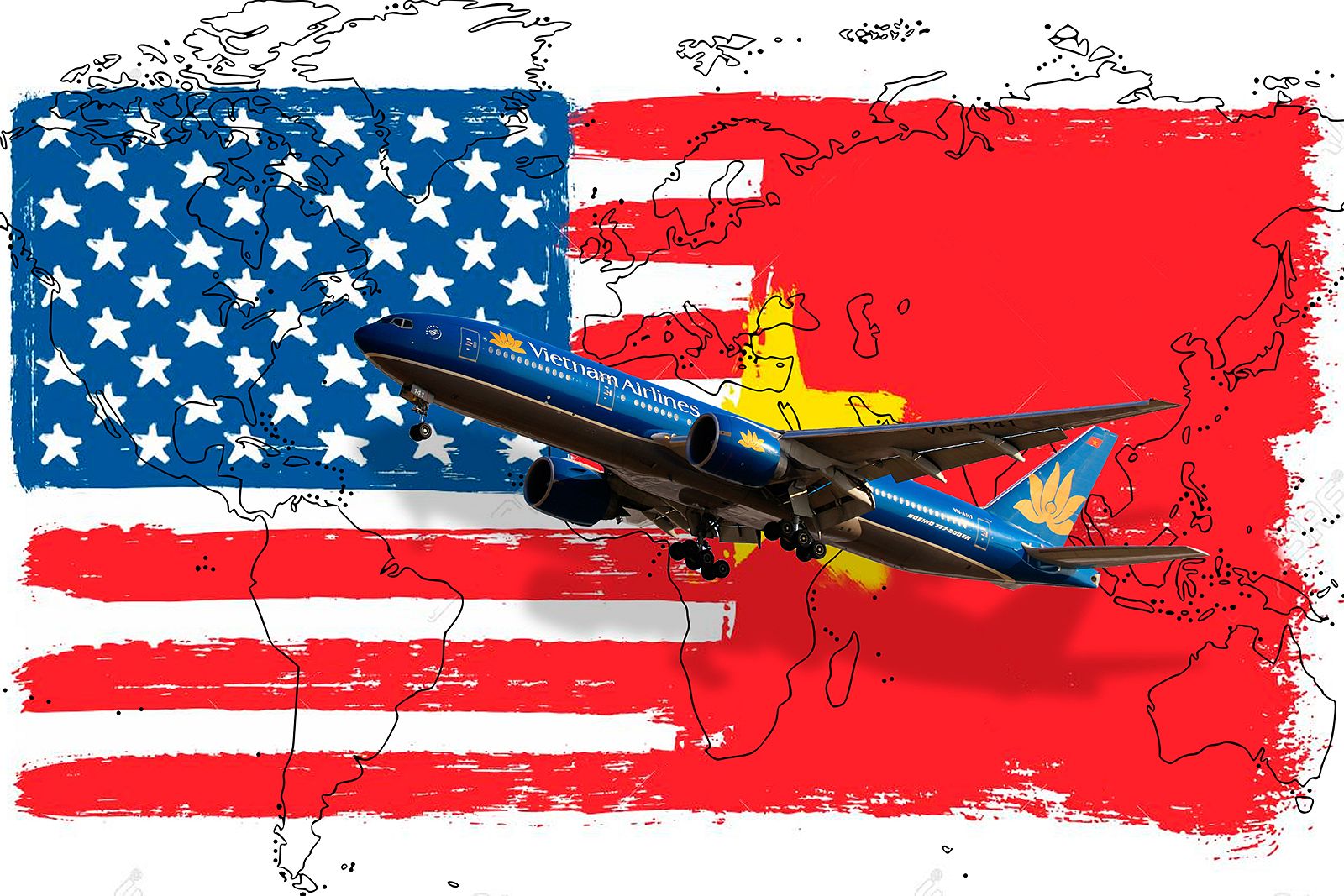
Planning a trip from the United States to Vietnam is easier than ever, thanks to a wide range of international flight options. From bustling cities on the East Coast to major airports on the West Coast, travelers have access to numerous routes that make visiting Vietnam more convenient than ever before.
Choosing the right flight can help you save time, reduce travel costs, and enjoy a more comfortable journey. This guide covers everything you need to know, including direct and connecting flight options, major airports, airlines, average flight times, and practical tips for finding the best airfare before your trip.
1. Are There Direct Flights From the US to Vietnam?
Yes. Currently, there is one direct commercial flight route between the United States and Vietnam. The nonstop service operates between San Francisco International Airport (SFO) and Tan Son Nhat International Airport (SGN) in Ho Chi Minh City.
This route offers the shortest travel time and eliminates the need for international layovers, making it an excellent choice for travelers heading to southern Vietnam. From Ho Chi Minh City, passengers can easily connect to domestic flights serving destinations such as Hanoi, Da Nang, Phu Quoc, Nha Trang, and Hue.
If you live outside the San Francisco Bay Area, you can either book a domestic flight to San Francisco and continue on the nonstop service or choose one of the many one-stop itineraries offered by international airlines.
2. Major Airports in Vietnam
Vietnam has three major international airports that serve travelers arriving from the United States.
Tan Son Nhat International Airport (SGN)
Located in Ho Chi Minh City, Tan Son Nhat is Vietnam’s busiest airport and the arrival point for the country’s only nonstop flight from the United States. It is the ideal gateway to southern Vietnam, including the Mekong Delta, Phu Quoc Island, and Vung Tau.
Noi Bai International Airport (HAN)
Serving the capital city of Hanoi, Noi Bai International Airport is the main gateway to northern Vietnam. It’s a convenient choice for travelers planning to visit Ha Long Bay, Sapa, Ninh Binh, or other attractions in the north.
Da Nang International Airport (DAD)
Da Nang International Airport provides easy access to Central Vietnam. From here, visitors can explore Hoi An Ancient Town, Hue’s Imperial City, My Son Sanctuary, and some of Vietnam’s most beautiful beaches.
3. Airlines Flying From the US to Vietnam
Travelers have two main options when flying from the United States to Vietnam: the nonstop San Francisco–Ho Chi Minh City route or connecting flights operated by major international airlines.
Popular airlines include:
- Vietnam Airlines (nonstop SFO–SGN and connecting flights)
- EVA Air (via Taipei)
- STARLUX Airlines (via Taipei)
- China Airlines (via Taipei)
- Korean Air (via Seoul)
- Asiana Airlines (via Seoul)
- ANA (via Tokyo)
- Japan Airlines (via Tokyo)
- Cathay Pacific (via Hong Kong)
- Singapore Airlines (via Singapore)
- United Airlines (partner connections)
- Delta Air Lines (partner connections)
- American Airlines (partner connections)
When comparing airlines, consider factors such as baggage allowance, connection times, onboard services, and total travel duration—not just ticket price.
4. Best Departure Cities in the United States
Flights to Vietnam are available from many major US airports.
Popular departure cities include:
- San Francisco (SFO)
- Los Angeles (LAX)
- Seattle (SEA)
- Dallas (DFW)
- Houston (IAH)
- Chicago (ORD)
- New York (JFK)
- Washington, D.C. (IAD)
- Boston (BOS)
Among these airports, San Francisco (SFO) is currently the only city offering a nonstop flight to Vietnam. Travelers departing from other cities typically connect through San Francisco or major international hubs in Asia.
5. Average Flight Time
Travel time varies depending on your departure city and whether you choose a nonstop or connecting flight.
| Departure City | Typical Travel Time |
|---|---|
| San Francisco (Nonstop) | 16–17 hours |
| Los Angeles | 17–20 hours |
| Seattle | 18–21 hours |
| Dallas | 20–24 hours |
| Houston | 20–24 hours |
| Chicago | 20–25 hours |
| New York | 22–27 hours |
| Boston | 22–29 hours |
Long layovers can add several hours to your journey, so always review the full itinerary before booking.
6. Best Time to Book Flights
Booking your flight early is one of the easiest ways to save money.
For most trips, booking two to four months in advance offers competitive fares. If you’re planning to travel during major holidays such as Lunar New Year (Tet), Christmas, or the summer vacation season, it’s best to reserve your tickets even earlier.
Traveling on weekdays—especially Tuesdays and Wednesdays—may also help you find lower fares.
7. Cheapest Time to Fly
Airfares generally tend to be lower during:
- February (after Tet)
- March
- April
- September
- October
Prices usually increase during:
- Lunar New Year (Tet)
- June through August
- Thanksgiving
- Christmas and New Year holidays
If your schedule is flexible, traveling during the shoulder seasons can help you save money while avoiding peak tourist crowds.
8. Choosing the Best Flight Option
If you’re departing from San Francisco, the nonstop flight to Ho Chi Minh City is the fastest and most convenient option.
For travelers leaving from other US cities, one-stop itineraries remain the most common choice. Popular connection airports include:
- Tokyo
- Seoul
- Taipei
- Hong Kong
- Singapore
- Bangkok
When comparing itineraries, look for a balance between price, total travel time, and layover length. A connection of two to four hours is generally comfortable without making the journey unnecessarily long.
9. Tips for Finding Affordable Flights
Finding a great airfare often comes down to planning ahead and staying flexible.
Helpful tips include:
- Compare fares across multiple airlines.
- Set price alerts before booking.
- Travel during off-peak seasons.
- Be flexible with your departure dates.
- Check baggage fees before purchasing the lowest fare.
- Use airline miles or travel rewards if available.
- Consider nearby departure airports if they offer better prices.
A slightly higher fare may be worth it if it significantly reduces travel time or eliminates long layovers.
10. What to Expect During the Journey
Flights between the United States and Vietnam are long-haul journeys, so it’s important to prepare for the trip.
Pack essentials such as:
- A neck pillow
- Noise-canceling headphones
- A reusable water bottle
- Chargers and a power bank
- Comfortable clothing
- Entertainment for the flight
- Any necessary medications
Staying hydrated, stretching regularly, and walking around the cabin during long flights can help reduce fatigue and jet lag.
11. Arriving in Vietnam
After landing, passengers will proceed through immigration, collect their checked luggage, and pass through customs before exiting the airport.
Vietnam’s major international airports offer several transportation options, including:
- Airport taxis
- Ride-hailing services
- Public buses
- Hotel shuttle buses
- Private airport transfers
Having your hotel address saved on your phone—or written in Vietnamese—can make getting to your accommodation much easier, especially if it’s your first visit.
Final Thoughts
Traveling from the United States to Vietnam is more convenient than ever, with one nonstop flight from San Francisco (SFO) to Ho Chi Minh City (SGN) and plenty of connecting routes available from major US cities. Booking early, comparing airlines, and selecting an itinerary that matches your travel plans can help you enjoy a smoother journey and start your Vietnam adventure with confidence.
