Category

Vietnam Travel Guide

Category

Vietnam is one of Southeast Asia’s top destinations for eco tourism, offering travelers the chance to explore pristine forests, national parks, wetlands, mountains, and marine reserves while supporting sustainable travel. 

If you’re planning an eco-friendly adventure in 2026, these ten destinations are among the best places to experience Vietnam’s incredible natural beauty while helping preserve its unique ecosystems.

1. Phong Nha–Ke Bang National Park (Quang Binh Province)

Phong Nha–Ke Bang National Park is one of Vietnam’s most spectacular eco tourism destinations and a UNESCO World Heritage Site. The park is famous for its ancient limestone mountains, dense tropical forests, underground rivers, and hundreds of caves, including the world-famous Son Doong Cave.

Visitors can enjoy hiking through the rainforest, kayaking along crystal-clear rivers, cave exploration, birdwatching, and wildlife spotting. Popular attractions include Paradise Cave, Phong Nha Cave, Dark Cave, and the Botanic Garden.

The park is also home to many rare plants and endangered animals, making conservation an important part of every visit.

2. Cat Tien National Park (Dong Nai, Lam Dong & Binh Phuoc Provinces)

Located about three hours from Ho Chi Minh City, Cat Tien National Park is one of Vietnam’s largest protected forests.

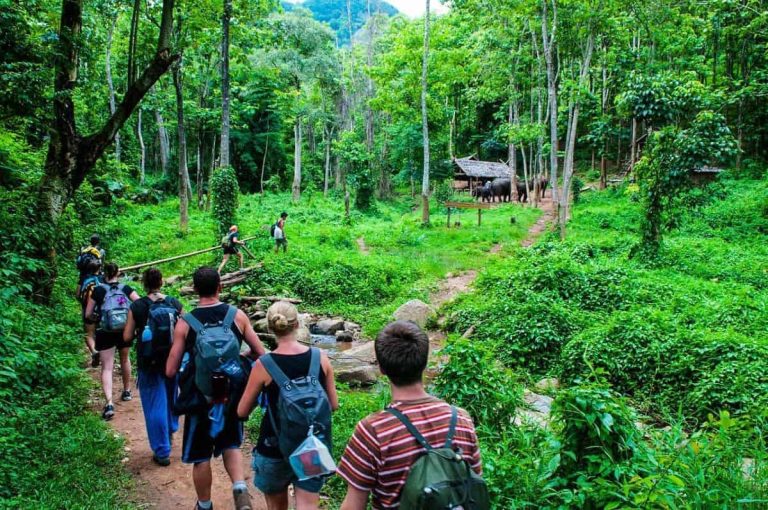
The park is home to gibbons, deer, crocodiles, colorful butterflies, and more than 350 bird species. Visitors can explore scenic jungle trails, take guided wildlife tours, cycle through the forest, or enjoy peaceful boat rides.

Night safaris provide an exciting opportunity to observe nocturnal animals in their natural habitat.

Cat Tien is especially popular with birdwatchers and photographers.

3. Cuc Phuong National Park (Ninh Binh Province)

Established in 1962, Cuc Phuong is Vietnam’s oldest national park.

Covering more than 22,000 hectares, the park features ancient trees, limestone mountains, caves, streams, and rich biodiversity.

Visitors can hike through primary forests, visit the Endangered Primate Rescue Center, explore prehistoric caves, and learn about conservation efforts protecting Vietnam’s rare wildlife.

Spring is one of the best times to visit, especially during butterfly season when thousands of colorful butterflies fill the forest.

4. Tram Chim National Park (Dong Thap Province)

Tram Chim National Park is one of the Mekong Delta’s most important wetland ecosystems.

Recognized as a Ramsar Wetland of International Importance, the park is famous for its rich birdlife, including the rare eastern sarus crane.

Visitors can explore the wetlands by small boat while observing birds, lotus ponds, floating vegetation, and peaceful waterways.

The best time to visit is during the flood season, when wildlife activity is at its highest.

5. Con Dao National Park (Ba Ria–Vung Tau Province)

Con Dao National Park protects both the forests and surrounding marine ecosystems of the Con Dao Islands.

The islands offer crystal-clear water, coral reefs, sea turtles, tropical forests, and beautiful beaches.

Visitors can enjoy snorkeling, scuba diving, hiking, birdwatching, and seasonal sea turtle nesting tours.

Strict conservation programs have helped preserve one of Vietnam’s healthiest marine environments.

6. Ba Be National Park (Bac Kan Province)

Ba Be National Park is centered around Ba Be Lake, Vietnam’s largest natural freshwater lake.

Surrounded by limestone mountains and tropical forests, the park offers peaceful scenery and excellent opportunities for eco tourism.

Visitors can enjoy boat trips across the lake, kayaking, trekking, cave exploration, cycling, and visits to Tay ethnic minority villages.

The area’s tranquil atmosphere makes it ideal for travelers seeking relaxation and nature.

7. Pu Luong Nature Reserve (Thanh Hoa Province)

Pu Luong Nature Reserve has become one of Vietnam’s fastest-growing eco tourism destinations.

Known for its terraced rice fields, traditional villages, bamboo forests, and limestone mountains, Pu Luong offers stunning scenery without the crowds found in more famous destinations.

Popular activities include hiking, cycling, bamboo rafting, and staying in eco-lodges or local homestays.

Visitors also have the opportunity to experience the culture of the Thai and Muong ethnic communities.

8. Cat Ba National Park (Hai Phong)

Located on Cat Ba Island, Cat Ba National Park combines mountains, forests, caves, mangroves, and coastal ecosystems.

The park is home to the critically endangered Cat Ba langur, one of the world’s rarest primates.

Visitors can hike to scenic viewpoints, explore caves, kayak through Lan Ha Bay, and discover diverse plant and animal species.

Its combination of land and marine environments makes Cat Ba one of Vietnam’s most diverse eco tourism destinations.

9. U Minh Thuong National Park (Kien Giang Province)

U Minh Thuong National Park protects one of Vietnam’s remaining peat swamp forests.

The park supports numerous species of birds, reptiles, mammals, and freshwater fish.

Visitors can explore the wetlands by boat, walk along elevated forest trails, observe wildlife, and learn about the importance of peatland conservation.

Its peaceful environment offers a very different experience from Vietnam’s mountainous national parks.

10. Yok Don National Park (Dak Lak Province)

Yok Don National Park is Vietnam’s largest national park and is famous for its dry deciduous forests.

Unlike tropical rainforests found elsewhere in Vietnam, Yok Don offers a unique ecosystem with open woodlands, rivers, waterfalls, and diverse wildlife.

Visitors can enjoy hiking, cycling, birdwatching, canoeing, and learning about elephant conservation initiatives that focus on ethical, observation-based tourism rather than elephant riding.

The park also provides opportunities to experience the traditions of local ethnic communities.

Best Time to Visit Vietnam’s Eco Tourism Areas

The ideal time depends on the destination.

  • Northern Vietnam: October to April offers cooler weather for hiking and sightseeing.
  • Central Vietnam: February to August is generally dry and sunny.
  • Southern Vietnam: November to April is the dry season and ideal for exploring wetlands and national parks.

Checking weather conditions before your trip is always recommended, especially if you plan to hike or take boat tours.

Popular Eco Tourism Activities

Vietnam’s eco tourism destinations offer a wide variety of outdoor experiences, including:

  • Hiking through tropical forests
  • Birdwatching
  • Wildlife observation
  • Kayaking and canoeing
  • Boat tours
  • Cave exploration
  • Camping
  • Cycling
  • Snorkeling and scuba diving
  • Visiting ethnic minority villages
  • Staying at eco-lodges
  • Nature photography

Many destinations also offer guided tours led by local experts who share knowledge about conservation and biodiversity.

Tips for Responsible Eco Tourism

To help protect Vietnam’s natural environments, travelers should follow sustainable tourism practices.

  • Stay on marked trails to avoid damaging vegetation.
  • Never feed or disturb wild animals.
  • Bring a reusable water bottle to reduce plastic waste.
  • Carry all trash out of natural areas.
  • Respect local customs when visiting ethnic communities.
  • Support local guides and eco-friendly accommodations.
  • Avoid purchasing products made from endangered wildlife.
  • Follow park regulations and conservation guidelines.

Responsible travel helps preserve these beautiful destinations for future generations.

Final Thoughts

Vietnam’s eco tourism areas showcase the country’s incredible natural diversity, from ancient forests and limestone mountains to wetlands, freshwater lakes, and coral reefs. Each destination offers unique opportunities to connect with nature while supporting conservation and local communities.

Whether you’re trekking through Pu Luong, exploring the caves of Phong Nha, birdwatching in Tram Chim, or diving in Con Dao, these ten eco tourism destinations provide unforgettable experiences for travelers seeking adventure, relaxation, and a deeper appreciation of Vietnam’s remarkable landscapes.
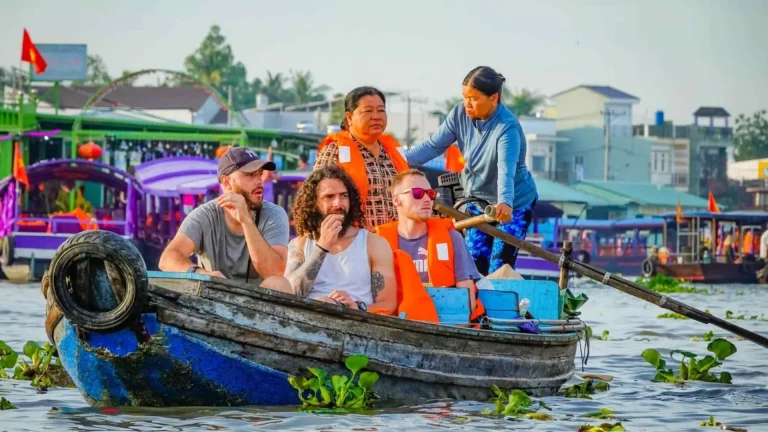
Vietnam’s floating markets are among the country’s most unique cultural attractions. Unlike traditional markets held on land, these lively marketplaces take place on rivers, where boats loaded with fresh produce, seafood, flowers, and local specialties gather to trade.

Today, floating markets continue to attract travelers who want to experience authentic local life, taste regional foods, and witness a tradition that has existed for centuries. If you’re planning a trip to southern Vietnam in 2026, here are five floating markets you shouldn’t miss.

1. Cai Rang Floating Market (Can Tho)

Cai Rang Floating Market is the largest and most famous floating market in Vietnam. Located on the Can Tho River, it has become one of the Mekong Delta’s top tourist attractions.

The market begins before sunrise and is at its busiest between 5:00 AM and 8:00 AM. Hundreds of boats gather each morning, selling fruits, vegetables, rice, coconuts, pineapples, pumpkins, and many other agricultural products.

One of the market’s most distinctive features is the tall wooden pole attached to each boat. Vendors hang samples of their products from these poles so buyers can easily identify what is for sale from a distance.

Visitors can explore the market by small boat, purchase fresh tropical fruit directly from vendors, and enjoy breakfast on the river. Local favorites include hu tieu (noodle soup), Vietnamese coffee, sticky rice, and freshly prepared noodles served from floating kitchens.

Many tours also combine Cai Rang Floating Market with visits to fruit orchards, traditional villages, and rice noodle workshops.

2. Cai Be Floating Market (Tien Giang)

Located about two hours from Ho Chi Minh City, Cai Be Floating Market sits where the Tien River meets several important waterways in the Mekong Delta.

Although smaller than Cai Rang today, Cai Be remains one of the region’s most interesting floating markets thanks to its peaceful atmosphere and traditional way of life.

Boats here sell fresh produce, flowers, local snacks, seafood, and handmade products. Visitors can also stop at family-run workshops that produce rice paper, coconut candy, popcorn, and traditional rice wine.

A boat trip through Cai Be often includes narrow canals shaded by coconut palms, offering a relaxing glimpse into life along the river.

3. Phong Dien Floating Market (Can Tho)

Phong Dien Floating Market offers a more authentic experience than many larger floating markets.

Located about 17 kilometers (11 miles) from Can Tho city center, it attracts mostly local traders rather than tourists. Many of the boats are smaller family-operated vessels selling fruits, vegetables, seafood, flowers, and household goods.

The market feels less commercial, allowing visitors to observe everyday life much as it has been for generations.

Because the waterways are narrower than those at Cai Rang, boat rides feel more intimate and provide excellent opportunities for photography.

Early morning remains the best time to visit, when trading activity is at its peak.

4. Nga Nam Floating Market (Soc Trang Province)

Nga Nam Floating Market is one of the oldest floating markets in the Mekong Delta.

Its name means “Five-Way Intersection,” referring to the point where five rivers meet, making it an important trading center for nearby communities.

Farmers from surrounding provinces bring fruits, vegetables, rice, seafood, and other products to sell each morning.

Unlike some of the more tourist-oriented markets, Nga Nam continues to function primarily as a wholesale market serving local businesses and residents.

Visitors who arrive early can witness hundreds of boats gathering as the sun rises over the river.

5. Long Xuyen Floating Market (An Giang Province)

Long Xuyen Floating Market is often considered one of the Mekong Delta’s hidden gems.

Compared to larger markets, Long Xuyen remains relatively uncrowded and offers visitors an authentic look at local river life.

Small wooden boats sell fresh vegetables, fish, fruits, rice, and homemade food while local families continue their daily routines along the riverbanks.

One of the market’s highlights is the opportunity to observe floating homes, where many families both live and conduct business on the water.

Because tourism is still relatively limited, Long Xuyen provides a peaceful and genuine cultural experience.

6. What Can You Buy at Vietnam’s Floating Markets?

Although each market has its own specialties, visitors will commonly find:

  • Fresh tropical fruits
  • Vegetables
  • Seafood
  • Rice
  • Coconut products
  • Flowers
  • Vietnamese coffee
  • Local snacks
  • Noodle soups
  • Handmade goods

Many vendors prepare food directly on their boats, giving visitors the chance to enjoy breakfast while floating along the river.

7. Best Time to Visit

Floating markets operate year-round, but timing is important.

The best time to visit is early in the morning, generally between 5:00 AM and 8:00 AM, when trading activity is at its busiest.

The dry season from December to April offers comfortable weather and calmer river conditions, making boat trips more enjoyable.

Arriving after mid-morning means many boats will have already completed their trading and returned home.

8. How to Visit the Floating Markets

Most travelers visit floating markets by boat.

Popular departure points include:

  • Can Tho (for Cai Rang and Phong Dien)
  • Cai Be
  • Long Xuyen
  • Soc Trang

You can choose from:

  • Guided tours
  • Private boat rentals
  • Small group excursions
  • Hotel-organized tours

Many tours also include visits to nearby villages, fruit orchards, temples, and local workshops.

9. Tips for Visiting Floating Markets

To make the most of your experience:

  • Wake up early to catch the market at its busiest.
  • Bring cash for purchases from small vendors.
  • Wear lightweight clothing and a hat.
  • Apply sunscreen before boarding your boat.
  • Keep your camera ready for beautiful sunrise photos.
  • Try local breakfast dishes sold from floating kitchens.
  • Respect local vendors while taking photographs.
  • Stay seated while the boat is moving and follow your guide’s safety instructions.

Final Thoughts

Vietnam’s floating markets offer one of the country’s most memorable travel experiences. From the lively atmosphere of Cai Rang to the peaceful waterways of Long Xuyen, each market has its own character and charm.

If you’re exploring the Mekong Delta in 2026, visiting one or more of these floating markets is a wonderful way to experience local culture, enjoy delicious regional food, and discover a fascinating part of Vietnam’s river life.

Vietnam is a country rich in traditions, and its festivals and holidays are an important part of everyday life. Throughout the year, communities across the country celebrate events that honor ancestors, historical heroes, religious beliefs, and seasonal traditions. These celebrations are filled with colorful decorations, traditional performances, delicious food, and joyful gatherings that reflect Vietnam’s vibrant culture.

For travelers, joining a local festival is one of the best ways to experience authentic Vietnamese traditions. From the country’s biggest holiday, Tet, to lively lantern festivals and cultural celebrations, here’s a guide to some of the most important festivals and holidays in Vietnam.

1. Tet Nguyen Dan (Vietnamese Lunar New Year)

Tet, or Vietnamese Lunar New Year, is the most important holiday in Vietnam.

Usually celebrated between late January and mid-February, Tet marks the arrival of spring and the beginning of the lunar calendar. Families spend weeks preparing by cleaning their homes, decorating with peach blossoms or apricot flowers, buying special foods, and shopping for new clothes.

On New Year’s Eve and during the first days of Tet, families gather to share meals, visit relatives, honor their ancestors, and exchange lucky money in red envelopes.

Many businesses close during the holiday, while temples, flower markets, and public spaces become beautifully decorated.

For visitors, Tet offers a unique opportunity to experience Vietnam’s strongest family traditions and festive atmosphere.

2. Hung Kings Festival

The Hung Kings Festival is celebrated on the 10th day of the third lunar month to honor the legendary founders of Vietnam.

The largest celebrations take place at Hung Temple in Phu Tho Province, where thousands of pilgrims gather to offer incense and pay their respects.

Traditional ceremonies, folk performances, music, and cultural activities are held throughout the day.

The festival highlights the importance of remembering Vietnam’s origins and honoring national history.

3. Reunification Day

Reunification Day is observed annually on April 30.

The holiday commemorates the reunification of North and South Vietnam in 1975 and is one of the country’s most significant national holidays.

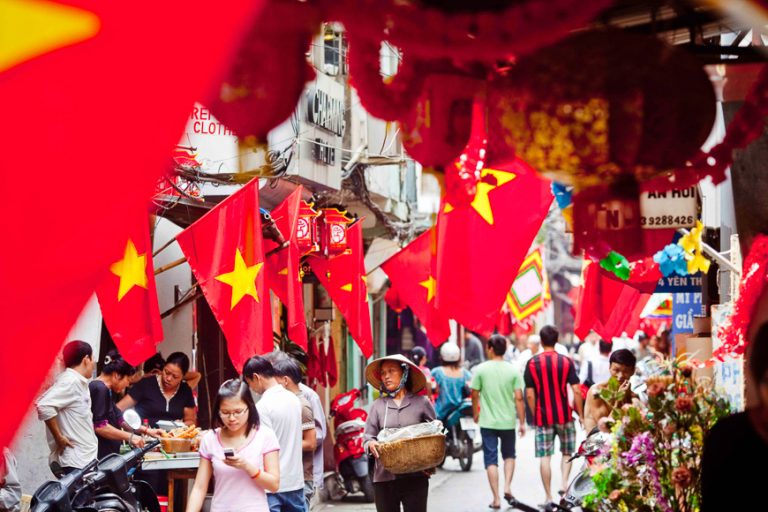
Cities often display national flags and banners, while museums and historical sites welcome many visitors.

Although official ceremonies are held in several locations, many Vietnamese people also enjoy the holiday by traveling, spending time with family, or taking short vacations.

4. International Workers’ Day

International Workers’ Day is celebrated on May 1, immediately following Reunification Day.

Because the two holidays occur back-to-back, many Vietnamese people enjoy an extended holiday period.

Parks, beaches, tourist attractions, and shopping centers become especially busy as families travel across the country.

Hotels and transportation often fill quickly during this popular vacation period.

5. Mid-Autumn Festival (Tet Trung Thu)

The Mid-Autumn Festival is one of Vietnam’s favorite celebrations, especially for children.

Held on the 15th day of the eighth lunar month, the festival features colorful lanterns, lion dances, mooncakes, and family gatherings.

Children carry brightly decorated lanterns through neighborhoods while cultural performances entertain local communities.

Mooncakes, filled with sweet or savory ingredients, are traditionally shared among family members and friends.

Hoi An is one of the most beautiful places to experience the festival, as thousands of lanterns illuminate the ancient streets.

6. National Day

Vietnam celebrates National Day every year on September 2.

The holiday marks the declaration of Vietnam’s independence in 1945.

Major cities are decorated with national flags, flowers, and banners. Fireworks, concerts, parades, and public events are organized in many locations.

Many museums and cultural sites also hold special exhibitions during this important national celebration.

7. Hue Festival

The Hue Festival is one of Vietnam’s largest cultural festivals and is typically held every two years in the historic city of Hue.

The festival celebrates the cultural heritage of Vietnam’s former imperial capital through traditional music, dance, art exhibitions, fashion shows, and royal ceremonies.

Visitors can enjoy performances inside the Imperial City, dragon boat races on the Perfume River, and cultural events featuring both Vietnamese and international artists.

It is an excellent opportunity to experience Vietnam’s artistic traditions.

8. Hoi An Lantern Festival

The Hoi An Lantern Festival takes place on the 14th day of every lunar month.

During the festival, electric lights throughout Hoi An Ancient Town are turned off, and thousands of colorful lanterns illuminate the streets and the Thu Bon River.

Visitors can release floating lanterns onto the river, enjoy traditional music, watch cultural performances, and sample local street food.

The magical atmosphere makes this one of Vietnam’s most photographed events.

9. Lim Festival

Held in Bac Ninh Province, the Lim Festival celebrates Quan Ho, a traditional style of Vietnamese folk singing recognized by UNESCO.

The festival usually takes place during the first lunar month.

Visitors can watch singers dressed in traditional clothing perform romantic folk songs while standing on boats or gathering in village courtyards.

Traditional games, wrestling matches, and cultural performances add to the festive atmosphere.

10. Kate Festival

The Kate Festival is the most important celebration of the Cham ethnic community in south-central Vietnam.

Usually held in October according to the Cham calendar, the festival honors ancestors and religious traditions.

Celebrations take place at ancient Cham towers, particularly in Ninh Thuan Province, featuring colorful costumes, traditional music, dancing, and ceremonial offerings.

The festival offers visitors a chance to experience one of Vietnam’s unique cultural traditions.

Traditional Foods During Vietnamese Festivals

Food plays an essential role in almost every Vietnamese celebration.

Some traditional festival dishes include:

  • Banh Chung – Square sticky rice cake enjoyed during Tet.
  • Banh Tet – Cylindrical sticky rice cake popular in southern Vietnam.
  • Mooncakes – A Mid-Autumn Festival favorite.
  • Boiled chicken – Often served during family celebrations.
  • Sticky rice – Prepared in many regional varieties.
  • Fresh fruits – Used for ancestor offerings and festive meals.

Sharing meals brings families together and remains one of the most meaningful parts of every holiday.

Tips for Travelers

If you plan to visit Vietnam during a festival or public holiday, keep these tips in mind:

  • Book hotels and flights well in advance, especially during Tet.
  • Expect larger crowds at tourist attractions.
  • Carry cash, as some small businesses may close or limit payment options.
  • Dress respectfully when visiting temples or religious ceremonies.
  • Be patient with heavier traffic during major holidays.
  • Join local celebrations respectfully and follow community customs.

Experiencing a festival can become one of the highlights of your trip.

Final Thoughts

Vietnam’s festivals and holidays showcase the country’s rich history, diverse cultures, and strong sense of community. From the joyful celebrations of Tet and the colorful lanterns of Hoi An to traditional folk festivals and national holidays, each event offers a unique cultural experience.

If you’re planning a trip to Vietnam in 2026, consider timing your visit to coincide with one of these festivals. Taking part in local celebrations is a wonderful way to experience the traditions, cuisine, and warm hospitality that make Vietnam such a memorable destination.

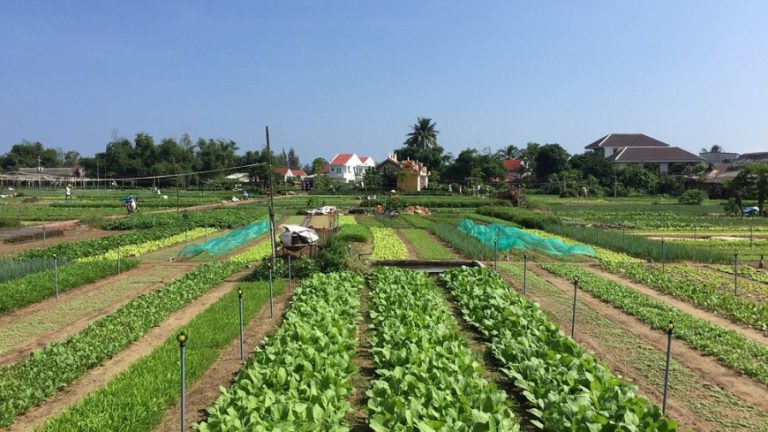
Tra Que Vegetable Village is one of the most charming attractions near Hoi An, offering visitors a chance to experience Vietnam’s rural lifestyle and traditional farming practices. Just a short distance from the UNESCO-listed Ancient Town, the village is known for its lush vegetable gardens, peaceful countryside, and fresh herbs that supply many of Hoi An’s famous restaurants.

Unlike crowded tourist attractions, Tra Que provides a relaxing escape where you can slow down, connect with nature, and learn about local culture. If you’re planning a trip to central Vietnam in 2026, here’s everything you need to know before visiting Tra Que Vegetable Village.

1. Where Is Tra Que Vegetable Village?

Tra Que Vegetable Village is located about 3 kilometers (2 miles) northeast of Hoi An Ancient Town, making it an easy destination for a half-day trip. The village sits between the Co Co River and Tra Que Lagoon, where fertile soil and a mild climate create ideal conditions for growing vegetables and herbs.

The village has been cultivating produce for centuries using traditional organic farming methods, including fertilizing crops with seaweed collected from nearby waterways. Its convenient location also makes it easy to combine with visits to An Bang Beach or Hoi An Ancient Town.

2. The History of Tra Que Vegetable Village

Tra Que has a history dating back to the 16th century. For generations, local families have grown vegetables and aromatic herbs that are highly valued for their freshness and flavor. The village became famous for producing ingredients used in many traditional dishes from Hoi An and central Vietnam.

In 2024, Tra Que gained international recognition when it was named one of UN Tourism’s Best Tourism Villages, highlighting its successful balance between preserving traditional agriculture and welcoming sustainable tourism.

Today, visitors can still see farmers using age-old techniques that have been passed down through generations.

3. What Makes Tra Que Special?

Unlike many modern farms, Tra Que continues to rely on traditional organic farming methods.

One of the village’s most unique practices is using seaweed collected from nearby lagoons and rivers as natural fertilizer instead of chemical products. This technique helps produce fragrant herbs and vegetables that are widely regarded as some of the freshest in Vietnam.

More than 20 varieties of herbs and leafy vegetables are grown here, including basil, mint, coriander, lettuce, Vietnamese coriander, and water spinach. These ingredients appear in many local specialties such as Cao Lau, Mi Quang, fresh spring rolls, and Vietnamese pancakes.

4. Best Things to Do in Tra Que Vegetable Village

Walk Through the Vegetable Gardens

One of the simplest pleasures is strolling along the narrow paths between rows of vibrant green vegetables.

The peaceful atmosphere is a welcome contrast to the busy streets of Hoi An. You’ll see local farmers watering crops, preparing garden beds, and harvesting fresh produce throughout the day.

Early morning and late afternoon are particularly beautiful times for a walk.

Experience Traditional Farming

Many local farms invite visitors to join everyday farming activities.

Under the guidance of experienced farmers, you can:

  • Prepare garden beds
  • Plant vegetables
  • Water crops using traditional shoulder buckets
  • Harvest fresh herbs
  • Learn about organic farming techniques

These hands-on experiences provide a better understanding of rural Vietnamese life and have become one of the village’s biggest attractions.

Join a Vietnamese Cooking Class

One of the most popular activities combines farming with cooking.

The experience usually begins by harvesting fresh vegetables directly from the garden before learning how to prepare traditional Vietnamese dishes under the guidance of local chefs.

Popular recipes often include:

  • Fresh spring rolls
  • Banh Xeo (Vietnamese crispy pancakes)
  • Cao Lau
  • Mi Quang
  • Green papaya salad

Cooking classes are enjoyable for families, couples, and solo travelers alike.

Ride a Bicycle Around the Village

Cycling is one of the best ways to explore Tra Que.

Flat country roads pass through vegetable gardens, rice paddies, and quiet neighborhoods, allowing visitors to enjoy the peaceful scenery at their own pace.

Many bicycle tours also include stops at nearby fishing villages or An Bang Beach.

Meet Local Farmers

One of the highlights of visiting Tra Que is interacting with the friendly local community.

Many farmers are happy to explain how vegetables are grown and harvested. Even simple conversations offer valuable insight into daily life in rural Vietnam.

5. Best Time to Visit

Tra Que Vegetable Village can be visited throughout the year, but the most comfortable weather is generally between February and April, when temperatures are mild and the gardens are especially green. Late summer and autumn can also be pleasant depending on weather conditions.

Within the day, the best times to visit are:

  • Early morning (around 7:00–9:00 AM)
  • Late afternoon (after 4:00 PM)

These hours are cooler, and you’ll have a better chance of seeing farmers working in the gardens.

6. How to Get There

Getting to Tra Que is simple.

Bicycle

Cycling from Hoi An Ancient Town takes about 15 to 20 minutes and is one of the most enjoyable ways to reach the village.

Motorbike

Renting a motorbike gives you flexibility to explore both the village and nearby attractions.

Taxi or Ride-Hailing Service

A taxi or ride-hailing service reaches Tra Que in approximately 10 minutes from central Hoi An.

Guided Tour

Many Hoi An tours include Tra Que as part of a package that combines farming activities, cooking classes, and visits to nearby attractions.

7. What to Bring

To make your visit more comfortable, consider bringing:

  • Comfortable walking shoes or sandals
  • Lightweight clothing
  • Sunscreen
  • A hat
  • Sunglasses
  • Drinking water
  • Camera or smartphone
  • Insect repellent

If you plan to participate in farming activities, clothing that can get a little dirty is recommended.

8. Tips for Visiting

A few simple tips will help you enjoy your visit:

  • Visit early in the day to avoid the strongest sun.
  • Respect local farmers while they work.
  • Ask permission before taking close-up photos of people.
  • Support local businesses by purchasing fresh produce or joining a cooking class.
  • Walk carefully through the gardens to avoid damaging crops.
  • Bring cash, as some small vendors may not accept cards.

9. Nearby Attractions

Since Tra Que is located close to Hoi An, it’s easy to combine your visit with other popular destinations.

Nearby attractions include:

  • Hoi An Ancient Town
  • An Bang Beach
  • Cua Dai Beach
  • Thanh Ha Pottery Village
  • Bay Mau Coconut Forest
  • Japanese Covered Bridge

Many travelers spend the morning at Tra Que before exploring Hoi An in the afternoon.

Final Thoughts

Tra Que Vegetable Village is one of the most rewarding places to visit near Hoi An. Its peaceful gardens, friendly local community, and hands-on farming experiences offer a refreshing change from traditional sightseeing.

If you’re visiting central Vietnam in 2026, be sure to include Tra Que in your itinerary. Spending a few hours exploring the gardens, meeting local farmers, and tasting dishes made with freshly harvested herbs is a memorable way to experience Vietnam’s countryside and rich culinary traditions.

A dinner cruise on the Saigon River is one of the best ways to experience Ho Chi Minh City after sunset. As the city skyline lights up, the river offers a peaceful escape from the busy streets while providing stunning views of modern skyscrapers, historic landmarks, and illuminated bridges.

Most dinner cruises combine delicious Vietnamese cuisine, live music, and sightseeing, making them a memorable addition to any Vietnam itinerary. From luxury fine-dining experiences to traditional wooden boats, here are eight of the best dinner cruises on the Saigon River to consider in 2026.

1. Saigon Princess Cruise

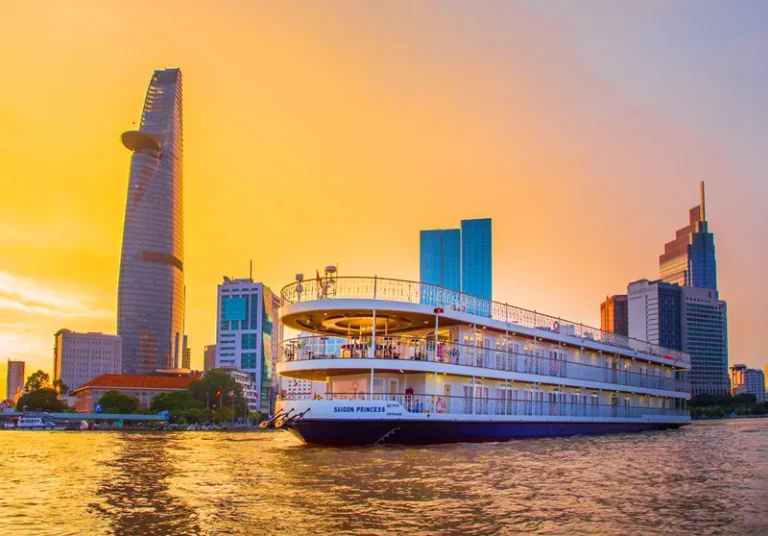
Saigon Princess Cruise is widely regarded as one of the most luxurious dinner cruises on the Saigon River. The elegant vessel features modern interiors, panoramic windows, spacious outdoor decks, and attentive service.

Guests can enjoy multi-course Vietnamese and international cuisine while admiring landmarks such as Landmark 81, Bitexco Financial Tower, and the Thu Thiem skyline. Live music performances add to the sophisticated atmosphere throughout the evening.

This cruise is an excellent choice for couples celebrating special occasions, honeymooners, or anyone looking for a premium dining experience.

2. Bonsai Cruise

Bonsai Cruise combines traditional Vietnamese hospitality with modern comfort. Its beautifully designed wooden boat creates a warm and elegant setting for dinner on the river.

The cruise offers buffet and set-menu options featuring Vietnamese specialties and international favorites. Guests can also enjoy cultural performances, live music, and beautiful nighttime views of Ho Chi Minh City.

Because of its welcoming atmosphere and reasonable pricing, Bonsai Cruise is popular with both tourists and local families.

3. Indochina Queen Cruise

Indochina Queen Cruise has been a favorite dinner cruise for many years and continues to attract visitors looking for a lively evening on the Saigon River.

The spacious boat serves a buffet featuring Vietnamese dishes, seafood, grilled specialties, and desserts. Throughout the cruise, guests can enjoy traditional dance performances, live music, and panoramic views of the city skyline.

Its combination of entertainment and dining makes it a great option for first-time visitors to Ho Chi Minh City.

4. Elite of Saigon Cruise

One of the newest luxury options in 2026 is the Elite of Saigon Cruise. Designed as a premium dining yacht, it offers an upscale experience with elegant interiors, gourmet cuisine, and personalized service.

Guests are welcomed with a complimentary drink before enjoying a carefully prepared set menu featuring Vietnamese and Western dishes. Live acoustic music, cultural performances, and spacious observation decks complete the experience.

This cruise is ideal for travelers seeking a refined and contemporary evening on the Saigon River.

5. Elisa Floating Restaurant

Although permanently moored rather than cruising along the river, Elisa Floating Restaurant offers one of the most unique waterfront dining experiences in Ho Chi Minh City.

Built to resemble a luxury cruise ship, the floating restaurant features multiple dining areas, live entertainment, and beautiful views of the Saigon River.

Guests can choose from seafood, Vietnamese cuisine, and international dishes while enjoying the lively evening atmosphere.

It is an excellent alternative for visitors who want the ambiance of river dining without taking a sightseeing cruise.

6. Saigon River Dining Cruise (ICON Saigon)

ICON Saigon offers a stylish dining cruise featuring contemporary interiors, spacious decks, and impressive skyline views.

The evening cruise typically lasts around two hours and includes a carefully prepared set-menu dinner. As the boat glides along the river, guests can admire Ho Chi Minh City’s illuminated buildings while enjoying live music and attentive service.

Its modern design makes it a popular choice for couples and small groups.

7. Le Perle de L’Orient (Indochina Junk)

Le Perle de L’Orient offers an elegant Indochinese-inspired atmosphere that combines traditional architecture with modern comfort.

Guests enjoy beautifully presented Vietnamese cuisine while sailing past the city’s waterfront landmarks. The cruise also features live entertainment and attentive staff, creating a relaxing and memorable evening.

The refined décor and excellent food make it one of the most popular premium cruises on the Saigon River.

8. Ben Nghe Cruise

Ben Nghe Cruise is a long-established choice that offers a classic Saigon River dining experience.

The cruise serves Vietnamese dishes alongside international buffet selections while live music and cultural performances entertain guests throughout the evening.

Its comfortable setting and affordable prices make it an attractive option for families, tour groups, and travelers looking for good value.

What to Expect on a Saigon River Dinner Cruise

Most dinner cruises follow a similar schedule.

Guests usually board between 6:00 PM and 7:00 PM, with cruises lasting approximately two to three hours. During the journey, you’ll enjoy dinner while passing many of Ho Chi Minh City’s famous landmarks.

Depending on the cruise you choose, your experience may include:

  • Buffet or set-menu dinner
  • Vietnamese and international cuisine
  • Live traditional music
  • Acoustic performances
  • Cultural dance shows
  • Open-air observation decks
  • Beautiful nighttime city views

Some luxury cruises also offer welcome drinks, premium wine selections, and private dining options.

Best Time to Take a Dinner Cruise

Dinner cruises operate throughout the year, but the dry season from December to April generally offers the most comfortable weather.

For the best experience:

  • Arrive at the pier at least 30 minutes before departure.
  • Choose an outdoor table if available for unobstructed skyline views.
  • Book early on weekends, holidays, and during the Lunar New Year season, as cruises often sell out.

Tips for Choosing the Right Cruise

Before booking your dinner cruise, consider the following:

  • Decide between a buffet or a fine-dining set menu.
  • Check whether live entertainment is included.
  • Compare cruise duration and departure times.
  • Look for outdoor seating if photography is important.
  • Reserve in advance, especially during peak travel periods.
  • Confirm whether transportation to the departure pier is included.

Luxury cruises generally offer quieter atmospheres and more personalized service, while buffet cruises provide a lively setting that is ideal for families and larger groups.

Final Thoughts

A dinner cruise on the Saigon River is a relaxing and memorable way to spend an evening in Ho Chi Minh City. From elegant luxury yachts like Saigon Princess and Elite of Saigon to lively buffet cruises and floating restaurants, there are options to suit every budget and travel style.

If you’re visiting Vietnam in 2026, adding one of these top Saigon River dinner cruises to your itinerary is a wonderful way to enjoy delicious food, scenic views, and the vibrant atmosphere of the city after sunset.

The Cu Chi Tunnels are one of Vietnam’s most famous historical attractions, offering visitors a fascinating look into the country’s past. Located just outside Ho Chi Minh City, this vast underground network played a significant role during the Vietnam War and has become a popular destination for travelers interested in history and culture.

Today, visitors can explore sections of the tunnels, learn about life underground, and gain a deeper understanding of the resilience and ingenuity of the Vietnamese people. If you’re planning to visit Vietnam in 2026, the Cu Chi Tunnels are well worth adding to your itinerary. Here’s everything you need to know before your trip.

1. What Are the Cu Chi Tunnels?

The Cu Chi Tunnels are an extensive underground network located in Cu Chi District, about 70 kilometers (43 miles) northwest of Ho Chi Minh City.

Originally built during the late 1940s and significantly expanded during the Vietnam War, the tunnel system eventually stretched for more than 250 kilometers (155 miles). It served as living quarters, supply routes, communication lines, storage facilities, field hospitals, kitchens, and command centers.

Despite frequent bombardment, the tunnel network allowed people to move safely underground and continue daily life under extremely challenging conditions.

Today, parts of the tunnels have been preserved and adapted for tourism while maintaining much of their original character.

2. History of the Cu Chi Tunnels

Construction of the tunnels began during the First Indochina War as local resistance forces dug simple underground shelters.

Over time, the system became increasingly complex, with multiple levels, hidden entrances, ventilation shafts, meeting rooms, kitchens, and escape routes.

During the Vietnam War, the tunnels became an important base for military operations and provided protection from air raids and ground attacks.

The tunnels also supported daily life, allowing people to cook, receive medical treatment, store food, and communicate while remaining hidden underground.

Today, the Cu Chi Tunnels stand as a reminder of Vietnam’s history and the determination of those who lived and worked there.

3. What to See at the Cu Chi Tunnels

A visit to the Cu Chi Tunnels includes several interesting exhibits and experiences.

Underground Tunnels

One of the highlights is the opportunity to enter sections of the tunnel system.

Some tunnels have been carefully widened to make them more accessible for visitors while still providing an idea of how narrow the original passages were.

Walking through these tunnels offers a unique perspective on the conditions people experienced underground.

Hidden Tunnel Entrances

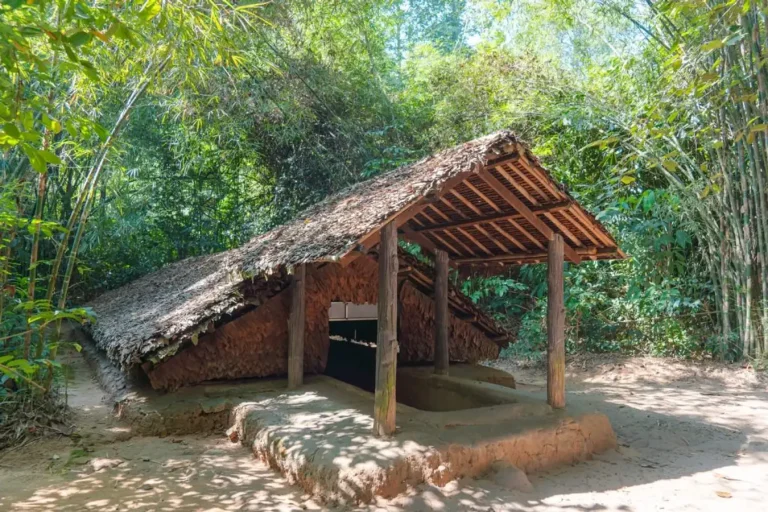
Visitors can see cleverly disguised entrances that blend naturally into the forest floor.

Guides often demonstrate how these concealed openings were used, showing just how difficult they were to detect.

Living Areas

Exhibits throughout the site recreate underground kitchens, meeting rooms, sleeping areas, storage spaces, and workshops.

These displays help visitors understand how entire communities functioned beneath the surface.

Historical Displays

Photographs, maps, artifacts, and informative exhibits explain the history of the tunnel system and its importance during the war.

Knowledgeable guides provide additional context and answer questions throughout the tour.

Forest Surroundings

The tunnel complex is surrounded by peaceful forest, creating a striking contrast with its historical significance.

Walking paths connect the various exhibits, allowing visitors to explore at a relaxed pace.

4. Ben Dinh vs. Ben Duoc

The Cu Chi Tunnels have two main visitor sites.

Ben Dinh

Ben Dinh is the more popular option because it is closer to Ho Chi Minh City.

Most half-day tours visit this site, making it convenient for travelers with limited time.

Some of the tunnels here have been enlarged to accommodate visitors.

Ben Duoc

Ben Duoc is located farther from the city and generally receives fewer visitors.

Many travelers find it quieter and more authentic, with larger grounds and a more peaceful atmosphere.

If you have extra time and prefer smaller crowds, Ben Duoc is an excellent choice.

5. How to Get There

The Cu Chi Tunnels can be reached in several ways.

Join a Guided Tour

Many visitors choose a guided tour from Ho Chi Minh City.

Tours typically include round-trip transportation, entrance fees, and an English-speaking guide who explains the site’s history.

Half-day and full-day options are widely available.

Travel by Car or Taxi

Hiring a private car or taking a taxi provides greater flexibility and allows you to explore at your own pace.

The drive usually takes between 1.5 and 2 hours, depending on traffic.

Public Bus

Budget travelers can also reach the tunnels by public bus, although the journey takes longer and may require transferring between routes.

6. Best Time to Visit

The dry season, from December to April, generally offers the most comfortable weather for exploring the outdoor site.

Morning visits are especially popular because temperatures are cooler and tour groups are often smaller.

If visiting during the rainy season, bringing a lightweight rain jacket or umbrella is recommended.

7. Tips for Visiting the Cu Chi Tunnels

A few simple tips will help you enjoy your visit.

  • Wear comfortable walking shoes, as you’ll spend time exploring outdoor paths.
  • Dress in lightweight clothing suitable for warm weather.
  • Bring water to stay hydrated.
  • Use insect repellent, especially during the rainy season.
  • Be prepared for narrow spaces if you plan to enter the tunnels.
  • Visitors who are uncomfortable with confined spaces can simply explore the above-ground exhibits instead.
  • Follow your guide’s instructions throughout the visit.

8. Nearby Attractions

If you have extra time, consider combining your visit with other attractions around Ho Chi Minh City.

Popular options include:

  • War Remnants Museum
  • Independence Palace
  • Ben Thanh Market
  • Notre Dame Cathedral
  • Saigon Central Post Office
  • Mekong Delta day tours

Many travelers visit the Cu Chi Tunnels in the morning before exploring the city in the afternoon.

Final Thoughts

The Cu Chi Tunnels are one of Vietnam’s most important historical attractions and remain a must-visit destination near Ho Chi Minh City. Exploring the underground passages, learning about their history, and seeing the preserved exhibits offer a deeper understanding of the country’s past.

If you’re visiting Vietnam in 2026, adding the Cu Chi Tunnels to your itinerary is an excellent way to experience one of the nation’s most remarkable historical sites while gaining a greater appreciation for Vietnam’s resilience and rich heritage.

Vietnam is a country of vibrant cities, each offering its own unique blend of history, culture, cuisine, and modern attractions. From bustling economic hubs and ancient capitals to charming coastal destinations, Vietnam’s cities provide unforgettable experiences for every type of traveler.

Some are famous for historic landmarks, while others are known for beautiful beaches, mountain scenery, or lively nightlife. If you’re planning a trip in 2026, these ten cities are among the best places to visit in Vietnam.

1. Ho Chi Minh City

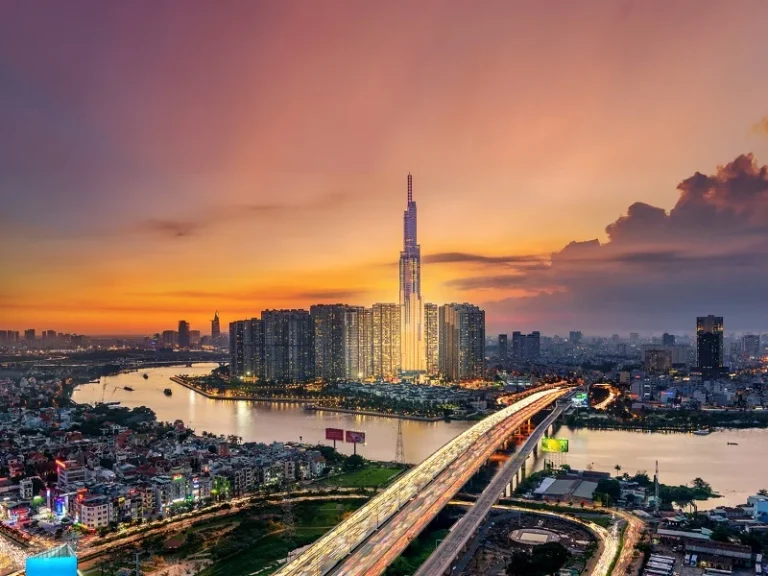
Ho Chi Minh City is Vietnam’s largest city and its economic center. Known for its energetic atmosphere, the city combines French colonial architecture with modern skyscrapers, bustling markets, and a thriving food scene.

Visitors can explore famous attractions such as the Notre Dame Cathedral, the Central Post Office, Ben Thanh Market, the War Remnants Museum, and Nguyen Hue Walking Street. The city is also an excellent base for day trips to the Cu Chi Tunnels and the Mekong Delta.

With countless restaurants, rooftop bars, shopping centers, and cafés, Ho Chi Minh City offers something for every traveler.

2. Hanoi

Vietnam’s capital is a fascinating mix of ancient traditions and modern life. More than a thousand years old, Hanoi is known for its tree-lined streets, historic temples, colonial buildings, and vibrant Old Quarter.

Popular attractions include Hoan Kiem Lake, the Temple of Literature, the One Pillar Pagoda, the Ho Chi Minh Mausoleum, and the famous Train Street.

Hanoi is also considered one of the best cities in Vietnam for food lovers, with local specialties such as pho, bun cha, egg coffee, and fresh spring rolls.

3. Da Nang

Located along Vietnam’s central coast, Da Nang is famous for its beautiful beaches, modern infrastructure, and relaxed atmosphere.

Visitors can spend time at My Khe Beach, explore the Marble Mountains, admire the Dragon Bridge, or visit the impressive Linh Ung Pagoda with its towering Lady Buddha statue.

Da Nang also serves as a convenient gateway to nearby attractions including Hoi An, Ba Na Hills, and My Son Sanctuary.

Its clean streets and excellent transportation make it one of Vietnam’s easiest cities to explore.

4. Hoi An

Although smaller than many cities on this list, Hoi An remains one of Vietnam’s most popular destinations.

The UNESCO-listed Ancient Town is filled with beautifully preserved merchant houses, colorful lanterns, historic temples, and charming riverside cafés.

Visitors can join cooking classes, cycle through rice fields, relax at nearby An Bang Beach, or have custom clothing made by local tailors.

Hoi An becomes especially magical in the evening when thousands of lanterns illuminate the streets and the Thu Bon River.

5. Hue

Hue served as Vietnam’s imperial capital during the Nguyen Dynasty and remains one of the country’s most historically significant cities.

The Imperial City, a UNESCO World Heritage Site, is the main attraction, featuring ancient palaces, temples, gates, and royal courtyards.

Other highlights include Thien Mu Pagoda, the royal tombs, and scenic boat rides along the Perfume River.

Hue is also well known for its refined royal cuisine and traditional festivals.

6. Nha Trang

Nha Trang is Vietnam’s best-known beach city, attracting visitors with its long sandy coastline, clear water, and sunny climate.

Popular activities include swimming, snorkeling, scuba diving, island-hopping tours, and relaxing at beachfront resorts.

Visitors can also explore Po Nagar Cham Towers, Long Son Pagoda, and VinWonders Nha Trang on nearby Hon Tre Island.

The city’s vibrant nightlife and seafood restaurants make it a favorite destination for both domestic and international travelers.

7. Da Lat

Nestled in Vietnam’s Central Highlands, Da Lat offers cool weather, pine forests, waterfalls, and colorful flower gardens.

Known as the “City of Eternal Spring,” Da Lat is popular with couples, families, and nature lovers.

Visitors can enjoy Xuan Huong Lake, the Crazy House, Datanla Waterfall, Truc Lam Zen Monastery, and the lively Da Lat Night Market.

The city is also famous for its coffee plantations, fresh strawberries, and beautiful blooming flowers.

8. Can Tho

Can Tho is the largest city in the Mekong Delta and an excellent place to experience life along Vietnam’s waterways.

The city’s biggest attraction is Cai Rang Floating Market, where boats loaded with fruits, vegetables, and local products gather each morning.

Visitors can also explore fruit orchards, traditional villages, riverside temples, and scenic canals.

Can Tho offers a slower pace of life and provides a wonderful introduction to the unique culture of the Mekong Delta.

9. Phan Thiet

Phan Thiet is a coastal city best known for the nearby beach resort area of Mui Ne.

The region attracts visitors with its golden beaches, colorful fishing villages, and famous red and white sand dunes.

Popular activities include kite surfing, jeep tours, sandboarding, and visiting Fairy Stream.

Fresh seafood and beautiful sunsets make Phan Thiet a relaxing destination for beach lovers.

10. Ha Long

Ha Long is the gateway to the spectacular Halong Bay, one of Vietnam’s most famous natural attractions.

While many travelers come for overnight cruises, the city itself also offers enjoyable waterfront parks, seafood restaurants, museums, and cable car rides with panoramic bay views.

From Ha Long, visitors can explore limestone islands, hidden caves, floating fishing villages, and peaceful beaches aboard a cruise.

The city continues to develop rapidly, offering improved infrastructure and a growing number of hotels and entertainment options.

Final Thoughts

Vietnam’s cities each offer a different side of the country, from vibrant modern skylines and historic landmarks to peaceful beaches and mountain retreats. Exploring several destinations during one trip allows you to experience the incredible diversity of Vietnam’s culture, history, and natural beauty.

Whether you’re wandering through Hanoi’s Old Quarter, relaxing on the beaches of Nha Trang, discovering Hue’s imperial heritage, or enjoying the lantern-lit streets of Hoi An, these ten cities are among the best places to visit in Vietnam in 2026.

Vietnam is home to some of the most spectacular caves in the world. Many of these caves are located within national parks and UNESCO World Heritage Sites, offering visitors unforgettable experiences surrounded by breathtaking landscapes. If you’re planning a trip to Vietnam, here are ten of the best caves to add to your travel itinerary.

1. Son Doong Cave (Quang Binh Province)

Son Doong Cave is the largest cave in the world and one of Vietnam’s most extraordinary natural wonders. Located in Phong Nha–Ke Bang National Park, the cave was officially explored in 2009 and has since become a dream destination for adventure travelers.

The cave is so massive that it contains its own underground river, jungle, and weather system. Towering stalagmites, enormous chambers, and skylights where sunlight streams into the cave create a landscape unlike anywhere else on Earth.

Access is strictly limited, and visitors must join a multi-day guided expedition that requires a good level of physical fitness.

2. Phong Nha Cave (Quang Binh Province)

Phong Nha Cave is one of the most famous caves in Vietnam and gives its name to Phong Nha–Ke Bang National Park.

Visitors reach the cave by taking a scenic boat ride along the Son River before entering its impressive entrance. Inside, you’ll find beautiful stalactites, stalagmites, underground chambers, and calm waterways that stretch deep into the limestone mountains.

The cave is easy to access, making it a great option for families and first-time visitors.

3. Paradise Cave (Quang Binh Province)

Paradise Cave, also known as Thien Duong Cave, is often considered one of the most beautiful dry caves in Asia.

Discovered in 2005, the cave extends for more than 31 kilometers (19 miles), although visitors typically explore the first kilometer along a well-maintained wooden boardwalk.

Its massive chambers are filled with spectacular rock formations, towering stalactites, and naturally sculpted limestone features illuminated by soft lighting.

The spacious pathways make Paradise Cave suitable for visitors of all ages.

4. Hang En Cave (Quang Binh Province)

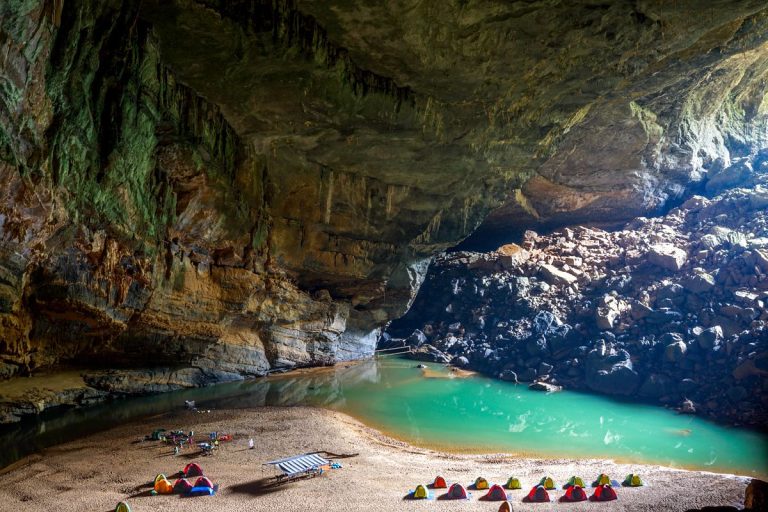
Hang En is the third-largest cave in the world and serves as one of the highlights of multi-day trekking tours in Phong Nha–Ke Bang National Park.

The cave features enormous entrances, a crystal-clear underground river, and a sandy beach where adventure groups camp overnight.

One of its most memorable features is the natural light that pours through the cave entrances, creating breathtaking views for photographers.

Many travelers visit Hang En as part of the journey to Son Doong Cave.

5. Sung Sot Cave (Quang Ninh Province)

Sung Sot Cave, or Surprise Cave, is one of the most popular attractions in Halong Bay.

Located on Bo Hon Island, the cave consists of two enormous chambers filled with impressive stalactites and stalagmites formed over millions of years.

As visitors walk through the cave, colorful lighting highlights the fascinating rock formations, many of which resemble animals and mythical figures.

The elevated viewpoint outside the cave also offers stunning views across Halong Bay.

6. Dau Go Cave (Quang Ninh Province)

Dau Go Cave, meaning “Wooden Stakes Cave,” is another remarkable cave in Halong Bay.

Steeped in local history and legend, the cave is famous for its large chambers and intricate limestone formations.

Natural sunlight entering through the cave’s wide entrance creates a bright, airy atmosphere that supports mosses and small plants growing inside.

Its impressive size and easy accessibility make it a favorite stop on many Halong Bay cruises.

7. Tam Coc Caves (Ninh Binh Province)

Tam Coc is often called “Halong Bay on land” because of its dramatic limestone mountains and peaceful rivers.

Rather than exploring on foot, visitors experience the three caves by taking a traditional sampan boat along the Ngo Dong River.

As the boat gently glides beneath the limestone cliffs, you’ll pass through Hang Ca, Hang Hai, and Hang Ba while enjoying beautiful rice fields and scenic countryside.

The relaxing boat journey is one of Ninh Binh’s most iconic experiences.

8. Mua Cave (Ninh Binh Province)

Despite its name, Mua Cave is best known for the spectacular viewpoint above it rather than the cave itself.

After climbing nearly 500 stone steps to the summit, visitors are rewarded with panoramic views of Tam Coc’s limestone peaks, winding rivers, and rice fields.

The small cave at the base adds historical interest, while the viewpoint has become one of Vietnam’s most photographed locations.

Many travelers combine Mua Cave with a Tam Coc boat tour on the same day.

9. Huong Tich Cave (Hanoi)

Huong Tich Cave is the spiritual heart of the famous Perfume Pagoda complex near Hanoi.

After a scenic boat ride and a climb—or cable car ride—into the Huong Son Mountains, visitors reach this sacred limestone cave, which has served as a Buddhist pilgrimage site for centuries.

Inside, natural rock formations have been given symbolic names and are believed by many visitors to bring good fortune and blessings.

The peaceful atmosphere makes Huong Tich Cave both a cultural and natural attraction.

10. Am Phu Cave (Da Nang)

Located within the Marble Mountains near Da Nang, Am Phu Cave offers a unique combination of natural beauty and spiritual symbolism.

The cave features dramatic lighting, stone stairways, Buddhist statues, and sculptures representing traditional beliefs about the afterlife.

Unlike many caves that focus primarily on geological formations, Am Phu Cave provides visitors with insight into Vietnamese Buddhist culture and folklore.

Its location within the Marble Mountains makes it easy to combine with visits to nearby pagodas and viewpoints.

Final Thoughts

Vietnam’s caves showcase some of the country’s most incredible natural beauty. From the record-breaking chambers of Son Doong to the peaceful river caves of Tam Coc and the impressive limestone formations of Halong Bay, each destination offers a unique adventure.

Exploring these remarkable caves is a memorable way to experience Vietnam’s diverse landscapes and discover why the country has become one of the world’s leading destinations for nature and adventure travel.

Vietnam is home to thousands of islands scattered along its 3,260-kilometer (2,025-mile) coastline. If you’re planning a beach vacation or looking for a relaxing getaway, these ten islands are among the best destinations to visit in Vietnam.

1. Phu Quoc Island

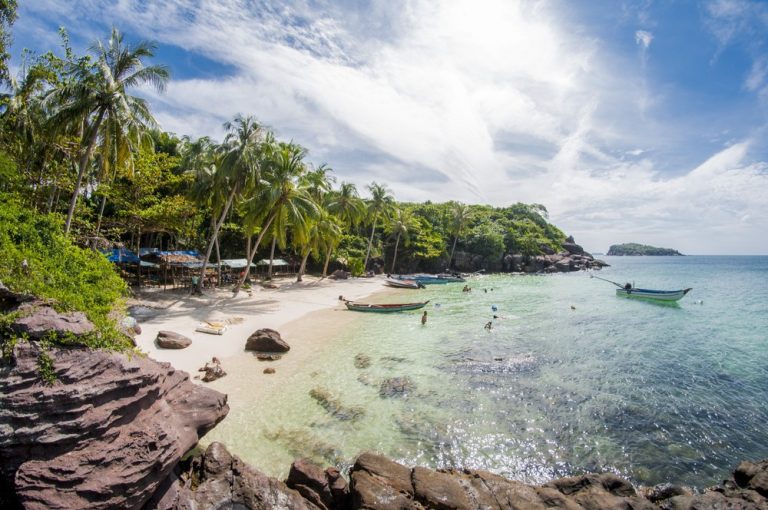
Phu Quoc is Vietnam’s largest island and one of its most popular beach destinations. Located in the Gulf of Thailand, the island is known for its white-sand beaches, turquoise waters, and luxury resorts.

Long Beach is the island’s most famous stretch of coastline, while Sao Beach is loved for its soft white sand and calm water. Beyond the beaches, visitors can explore Phu Quoc National Park, ride the world’s longest three-wire cable car to Hon Thom Island, visit traditional fish sauce factories, or browse the lively Phu Quoc Night Market.

Popular activities include snorkeling, scuba diving, kayaking, island hopping, and watching spectacular sunsets.

2. Cat Ba Island

Cat Ba Island is the largest island in the Cat Ba Archipelago and serves as the gateway to the beautiful Lan Ha Bay.

Unlike many tropical islands, Cat Ba offers a mix of beaches, mountains, forests, and limestone cliffs. Much of the island is protected as Cat Ba National Park, home to hiking trails, caves, and diverse wildlife.

Visitors can also enjoy kayaking through hidden lagoons, cruising around Lan Ha Bay, cycling through peaceful villages, or relaxing on beaches such as Cat Co 1, Cat Co 2, and Cat Co 3.

Cat Ba is an excellent alternative for travelers looking for a quieter experience than nearby Halong Bay.

3. Con Dao Islands

The Con Dao Islands are an archipelago off Vietnam’s southern coast, famous for their unspoiled beaches, crystal-clear waters, and rich marine life.

Con Son, the largest island, offers beautiful beaches, coral reefs, and scenic hiking trails. Much of the archipelago is protected as Con Dao National Park, making it one of Vietnam’s top destinations for snorkeling and diving.

The islands are also historically significant, with former prison sites that now serve as museums and memorials.

Visitors seeking tranquility and nature will find Con Dao an unforgettable destination.

4. Cham Islands

Located just off the coast of Hoi An, the Cham Islands consist of eight small islands surrounded by clear blue water.

The islands are part of a UNESCO Biosphere Reserve and are well known for their healthy coral reefs and abundant marine life.

Day trips from Hoi An are popular, allowing visitors to snorkel, dive, swim, relax on sandy beaches, and explore traditional fishing villages.

The islands offer a peaceful escape from the busy streets of Hoi An.

5. Ly Son Island

Ly Son Island, located off the coast of Quang Ngai Province, is famous for its volcanic landscapes and garlic farms.

Ancient volcanic eruptions created dramatic cliffs, lava formations, and natural rock arches that make the island unlike anywhere else in Vietnam.

Visitors can climb Thoi Loi Mountain for panoramic views, visit Hang Pagoda built inside a cave, relax on pristine beaches, and enjoy fresh seafood.

Ly Son is also known as Vietnam’s “Kingdom of Garlic” thanks to its high-quality garlic production.

6. Nam Du Islands

The Nam Du Archipelago is a hidden gem located in Kien Giang Province.

Made up of more than 20 small islands, Nam Du is known for its clear water, colorful coral reefs, and peaceful fishing communities.

Visitors can take boat tours between islands, snorkel in calm bays, swim at quiet beaches, and enjoy freshly caught seafood.

Compared to more developed destinations, Nam Du offers a slower pace and a more authentic island experience.

7. Binh Ba Island

Binh Ba Island, near Cam Ranh Bay, is famous for its beautiful beaches and delicious lobster.

Although relatively small, the island attracts visitors with its calm water and relaxed atmosphere.

Popular beaches include Bai Nom, Bai Chuong, and Bai Nha Cu. Many travelers spend their days swimming, snorkeling, and enjoying fresh seafood at local restaurants.

The island’s stunning sunrise views are another reason it has become increasingly popular.

8. Binh Hung Island

Located near Binh Ba, Binh Hung Island remains one of Vietnam’s lesser-known coastal destinations.

The island features crystal-clear water, rocky coastlines, and small sandy beaches ideal for swimming and snorkeling.

Visitors can climb the historic Hon Chut Lighthouse for panoramic views or take glass-bottom boat tours to admire colorful coral reefs.

Fresh seafood is available throughout the island, making it a favorite destination for food lovers.

9. Co To Island

Co To Island lies in Quang Ninh Province in northeastern Vietnam.

Known for its clean beaches and clear water, the island has become increasingly popular among domestic travelers.

Hong Van Beach and Van Chay Beach are perfect for swimming and relaxing, while the Co To Lighthouse offers spectacular views across the surrounding islands.

Cycling around the island is another enjoyable way to explore its quiet roads and coastal scenery.

10. Hon Tre Island

Hon Tre Island, located off the coast of Nha Trang, is best known for its luxury resorts and world-class entertainment.

The island is home to VinWonders Nha Trang, one of Vietnam’s largest amusement parks, featuring water slides, aquariums, gardens, and exciting rides.

Visitors can also relax on beautiful beaches, enjoy water sports, or stay at beachfront resorts overlooking Nha Trang Bay.

Hon Tre is an excellent choice for families, couples, and travelers seeking both relaxation and entertainment.

Final Thoughts

Vietnam’s islands offer an incredible variety of experiences, from luxurious beach resorts and vibrant coral reefs to peaceful fishing villages and volcanic landscapes. Each destination has its own unique charm, making it easy to find an island that matches your travel style.

From the famous shores of Phu Quoc to the hidden beauty of Nam Du and Ly Son, these ten islands showcase some of Vietnam’s most spectacular coastal scenery. Adding one or more of them to your itinerary is a great way to experience the natural beauty that makes Vietnam such a remarkable travel destination.

Beer is more than just a popular beverage in Vietnam—it’s an important part of the country’s social culture. From lively street-side eateries to modern craft breweries, beer brings people together to celebrate, relax, and enjoy good food. Understanding Vietnam’s beer drinking culture can help visitors enjoy local customs and feel more comfortable when joining a meal with Vietnamese friends.

1. Why Beer Is So Popular in Vietnam

Several factors have contributed to the popularity of beer in Vietnam.

The country’s hot and humid climate makes cold beer especially refreshing throughout the year. Beer is also relatively affordable, making it accessible to people from all walks of life.

Over the years, Vietnam has developed a vibrant beer scene that includes well-known local brands, international labels, and a growing number of craft breweries. Today, enjoying beer is part of everyday life for many Vietnamese people.

2. Bia Hơi – Vietnam’s Fresh Draft Beer

One of the most unique parts of Vietnam’s beer culture is Bia Hơi, which means “fresh beer.”

Bia Hơi is a light draft beer brewed daily and delivered fresh to local beer halls and sidewalk restaurants. It has a lower alcohol content than many bottled beers, making it easy to enjoy with a long meal.

In Hanoi, Bia Hơi is especially popular. Small plastic stools and tables often fill the sidewalks in the late afternoon as locals gather to enjoy fresh beer with grilled meats, peanuts, and traditional dishes.

Trying Bia Hơi is considered a must for many first-time visitors.

3. Beer Is Meant to Be Shared

In Vietnam, beer is rarely enjoyed alone.

Instead, people typically drink in groups while sharing food and conversation. Meals often include several dishes placed in the center of the table, allowing everyone to eat together while enjoying their drinks.

This communal style of dining reflects the importance of friendship, family, and hospitality in Vietnamese culture.

The focus is usually on spending time together rather than drinking quickly.

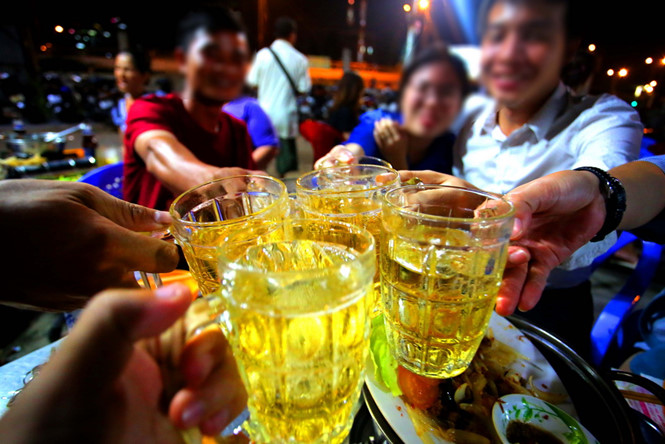
4. The Famous Toast: “Một, Hai, Ba, Dzô!”

One of the most recognizable parts of drinking beer in Vietnam is the enthusiastic group toast.

Before taking a sip, someone will often lead the table by saying:

“Một, Hai, Ba, Dzô!”

The phrase translates roughly to:

“One, two, three, cheers!”

Everyone raises their glasses, clinks them together, and takes a drink at the same time.

You’ll likely hear this cheerful toast many times during a Vietnamese meal, especially at celebrations and gatherings.

5. Beer and Food Go Hand in Hand

Beer in Vietnam is almost always enjoyed with food.

Popular dishes served alongside beer include:

  • Grilled seafood
  • Barbecued pork
  • Chicken wings
  • Fried spring rolls
  • Snails (ốc)
  • Hot pot
  • Stir-fried vegetables
  • Roasted peanuts

The combination of flavorful food and cold beer creates a relaxed atmosphere that encourages long conversations and shared enjoyment.

6. Popular Vietnamese Beer Brands

Vietnam produces several well-known beer brands that are widely available throughout the country.

Some of the most popular include:

Bia Saigon

One of Vietnam’s best-known beers, Bia Saigon offers several varieties, including Saigon Lager, Saigon Special, and Saigon Gold.

Bia Hanoi

Produced in northern Vietnam, Bia Hanoi has been enjoyed for decades and is closely associated with the capital city’s famous Bia Hơi culture.

Huda Beer

Originally from Hue, Huda is especially popular in central Vietnam and has developed a loyal following for its smooth, refreshing taste.

Larue

Larue has a long history in Vietnam and remains a favorite in many southern and central provinces.

In addition to local brands, international beers such as Heineken, Tiger, Budweiser, and Carlsberg are widely available.

7. The Rise of Craft Beer

In recent years, Vietnam has become one of Southeast Asia’s fastest-growing craft beer destinations.

Cities like Ho Chi Minh City, Hanoi, and Da Nang are home to numerous craft breweries producing creative beers using both traditional and local ingredients.

Popular styles include:

  • IPA
  • Pale Ale
  • Stout
  • Wheat Beer
  • Fruit Beer
  • Seasonal specialties

Many breweries also experiment with Vietnamese flavors such as passion fruit, lemongrass, coffee, dragon fruit, and local spices.

Craft beer bars have become popular gathering places for both locals and international visitors.

8. Beer Etiquette in Vietnam

If you’re invited to drink beer with Vietnamese friends or colleagues, following a few simple customs will help you fit in.

  • Wait for everyone to receive their drink before making the first toast.
  • Join in when someone says “Một, Hai, Ba, Dzô!”
  • Lightly clink glasses with others before drinking.
  • If possible, hold your glass slightly lower than an elder’s glass as a sign of respect.
  • Drink at your own pace—you don’t have to finish every glass.
  • Be polite if you choose not to drink alcohol.

Most Vietnamese people are understanding if visitors prefer to drink slowly or skip alcohol altogether.

9. Where to Experience Vietnam’s Beer Culture

There are many great places to enjoy beer across the country.

Popular options include:

  • Street-side beer stalls
  • Bia Hơi restaurants
  • Seafood restaurants
  • Rooftop bars
  • Craft breweries
  • Night markets
  • Beer gardens
  • Local eateries

Each offers a slightly different atmosphere, from casual neighborhood gatherings to modern brewery experiences.

10. Tips for Travelers

If you’d like to experience Vietnam’s beer culture, keep these tips in mind:

  • Try a glass of fresh Bia Hơi in Hanoi.
  • Pair your beer with local dishes instead of drinking on an empty stomach.
  • Drink responsibly, especially during hot weather.
  • Use ride-hailing services or taxis if you’ve been drinking.
  • Explore both traditional beers and local craft breweries.
  • Don’t hesitate to join a friendly toast—it is often a highlight of the experience.

Final Thoughts

Beer drinking is an important part of Vietnam’s social life, bringing people together over delicious food and lively conversation. From the famous Bia Hơi culture in Hanoi to the country’s growing craft beer scene, there are plenty of ways to experience this unique tradition.

Sharing a cold beer with locals is more than just enjoying a drink—it’s an opportunity to experience Vietnamese hospitality, friendship, and the warm community spirit that makes dining in Vietnam so memorable.