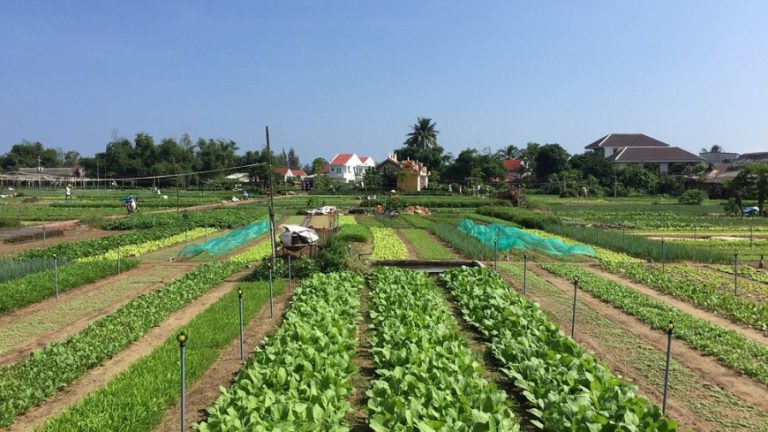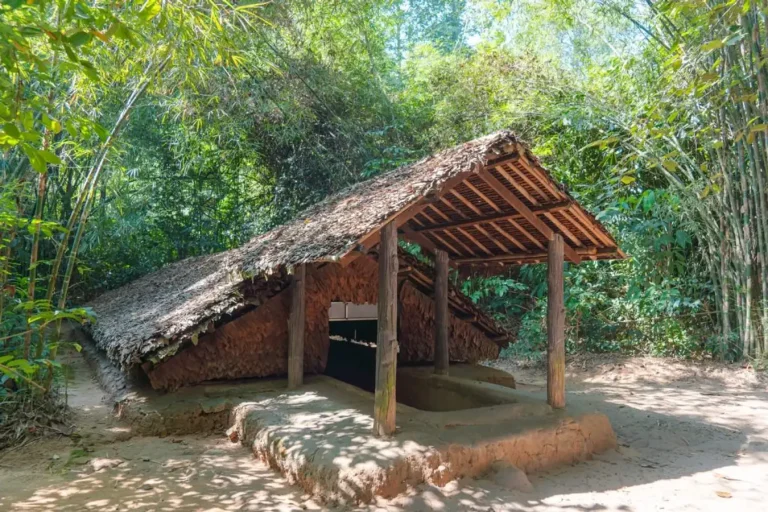
Vietnam is one of Southeast Asia’s top destinations for eco tourism, offering travelers the chance to explore pristine forests, national parks, wetlands, mountains, and marine reserves while supporting sustainable travel.
If you’re planning an eco-friendly adventure in 2026, these ten destinations are among the best places to experience Vietnam’s incredible natural beauty while helping preserve its unique ecosystems.
1. Phong Nha–Ke Bang National Park (Quang Binh Province)
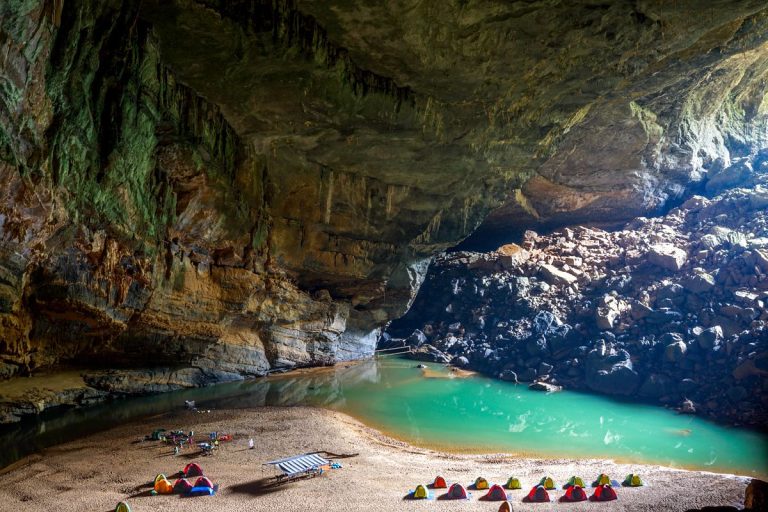
Phong Nha–Ke Bang National Park is one of Vietnam’s most spectacular eco tourism destinations and a UNESCO World Heritage Site. The park is famous for its ancient limestone mountains, dense tropical forests, underground rivers, and hundreds of caves, including the world-famous Son Doong Cave.
Visitors can enjoy hiking through the rainforest, kayaking along crystal-clear rivers, cave exploration, birdwatching, and wildlife spotting. Popular attractions include Paradise Cave, Phong Nha Cave, Dark Cave, and the Botanic Garden.
The park is also home to many rare plants and endangered animals, making conservation an important part of every visit.
2. Cat Tien National Park (Dong Nai, Lam Dong & Binh Phuoc Provinces)
Located about three hours from Ho Chi Minh City, Cat Tien National Park is one of Vietnam’s largest protected forests.
The park is home to gibbons, deer, crocodiles, colorful butterflies, and more than 350 bird species. Visitors can explore scenic jungle trails, take guided wildlife tours, cycle through the forest, or enjoy peaceful boat rides.
Night safaris provide an exciting opportunity to observe nocturnal animals in their natural habitat.
Cat Tien is especially popular with birdwatchers and photographers.
3. Cuc Phuong National Park (Ninh Binh Province)
Established in 1962, Cuc Phuong is Vietnam’s oldest national park.
Covering more than 22,000 hectares, the park features ancient trees, limestone mountains, caves, streams, and rich biodiversity.
Visitors can hike through primary forests, visit the Endangered Primate Rescue Center, explore prehistoric caves, and learn about conservation efforts protecting Vietnam’s rare wildlife.
Spring is one of the best times to visit, especially during butterfly season when thousands of colorful butterflies fill the forest.
4. Tram Chim National Park (Dong Thap Province)
Tram Chim National Park is one of the Mekong Delta’s most important wetland ecosystems.
Recognized as a Ramsar Wetland of International Importance, the park is famous for its rich birdlife, including the rare eastern sarus crane.
Visitors can explore the wetlands by small boat while observing birds, lotus ponds, floating vegetation, and peaceful waterways.
The best time to visit is during the flood season, when wildlife activity is at its highest.
5. Con Dao National Park (Ba Ria–Vung Tau Province)
Con Dao National Park protects both the forests and surrounding marine ecosystems of the Con Dao Islands.
The islands offer crystal-clear water, coral reefs, sea turtles, tropical forests, and beautiful beaches.
Visitors can enjoy snorkeling, scuba diving, hiking, birdwatching, and seasonal sea turtle nesting tours.
Strict conservation programs have helped preserve one of Vietnam’s healthiest marine environments.
6. Ba Be National Park (Bac Kan Province)
Ba Be National Park is centered around Ba Be Lake, Vietnam’s largest natural freshwater lake.
Surrounded by limestone mountains and tropical forests, the park offers peaceful scenery and excellent opportunities for eco tourism.
Visitors can enjoy boat trips across the lake, kayaking, trekking, cave exploration, cycling, and visits to Tay ethnic minority villages.
The area’s tranquil atmosphere makes it ideal for travelers seeking relaxation and nature.
7. Pu Luong Nature Reserve (Thanh Hoa Province)
Pu Luong Nature Reserve has become one of Vietnam’s fastest-growing eco tourism destinations.
Known for its terraced rice fields, traditional villages, bamboo forests, and limestone mountains, Pu Luong offers stunning scenery without the crowds found in more famous destinations.
Popular activities include hiking, cycling, bamboo rafting, and staying in eco-lodges or local homestays.
Visitors also have the opportunity to experience the culture of the Thai and Muong ethnic communities.
8. Cat Ba National Park (Hai Phong)
Located on Cat Ba Island, Cat Ba National Park combines mountains, forests, caves, mangroves, and coastal ecosystems.
The park is home to the critically endangered Cat Ba langur, one of the world’s rarest primates.
Visitors can hike to scenic viewpoints, explore caves, kayak through Lan Ha Bay, and discover diverse plant and animal species.
Its combination of land and marine environments makes Cat Ba one of Vietnam’s most diverse eco tourism destinations.
9. U Minh Thuong National Park (Kien Giang Province)
U Minh Thuong National Park protects one of Vietnam’s remaining peat swamp forests.
The park supports numerous species of birds, reptiles, mammals, and freshwater fish.
Visitors can explore the wetlands by boat, walk along elevated forest trails, observe wildlife, and learn about the importance of peatland conservation.
Its peaceful environment offers a very different experience from Vietnam’s mountainous national parks.
10. Yok Don National Park (Dak Lak Province)
Yok Don National Park is Vietnam’s largest national park and is famous for its dry deciduous forests.
Unlike tropical rainforests found elsewhere in Vietnam, Yok Don offers a unique ecosystem with open woodlands, rivers, waterfalls, and diverse wildlife.
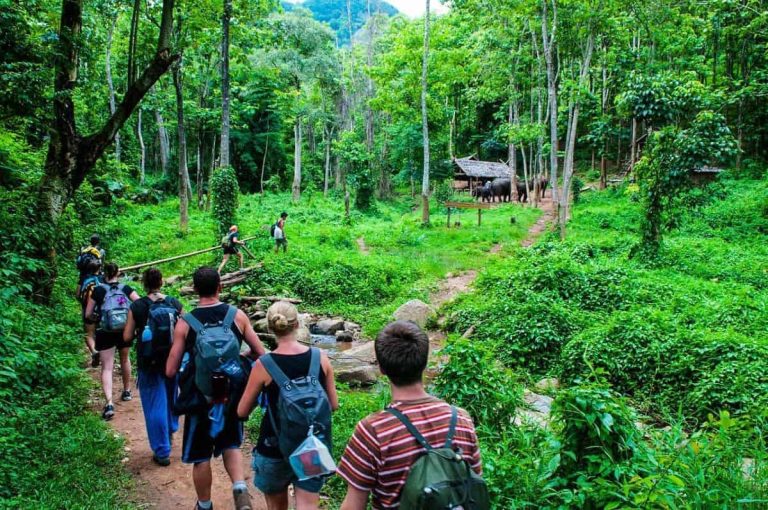
Visitors can enjoy hiking, cycling, birdwatching, canoeing, and learning about elephant conservation initiatives that focus on ethical, observation-based tourism rather than elephant riding.
The park also provides opportunities to experience the traditions of local ethnic communities.
Best Time to Visit Vietnam’s Eco Tourism Areas
The ideal time depends on the destination.
- Northern Vietnam: October to April offers cooler weather for hiking and sightseeing.
- Central Vietnam: February to August is generally dry and sunny.
- Southern Vietnam: November to April is the dry season and ideal for exploring wetlands and national parks.
Checking weather conditions before your trip is always recommended, especially if you plan to hike or take boat tours.
Popular Eco Tourism Activities
Vietnam’s eco tourism destinations offer a wide variety of outdoor experiences, including:
- Hiking through tropical forests
- Birdwatching
- Wildlife observation
- Kayaking and canoeing
- Boat tours
- Cave exploration
- Camping
- Cycling
- Snorkeling and scuba diving
- Visiting ethnic minority villages
- Staying at eco-lodges
- Nature photography
Many destinations also offer guided tours led by local experts who share knowledge about conservation and biodiversity.
Tips for Responsible Eco Tourism
To help protect Vietnam’s natural environments, travelers should follow sustainable tourism practices.
- Stay on marked trails to avoid damaging vegetation.
- Never feed or disturb wild animals.
- Bring a reusable water bottle to reduce plastic waste.
- Carry all trash out of natural areas.
- Respect local customs when visiting ethnic communities.
- Support local guides and eco-friendly accommodations.
- Avoid purchasing products made from endangered wildlife.
- Follow park regulations and conservation guidelines.
Responsible travel helps preserve these beautiful destinations for future generations.
Final Thoughts
Vietnam’s eco tourism areas showcase the country’s incredible natural diversity, from ancient forests and limestone mountains to wetlands, freshwater lakes, and coral reefs. Each destination offers unique opportunities to connect with nature while supporting conservation and local communities.
Whether you’re trekking through Pu Luong, exploring the caves of Phong Nha, birdwatching in Tram Chim, or diving in Con Dao, these ten eco tourism destinations provide unforgettable experiences for travelers seeking adventure, relaxation, and a deeper appreciation of Vietnam’s remarkable landscapes.