Author

TIN NGUYEN

Browsing

Ho Chi Minh City, still fondly called Saigon by locals, is a city that truly comes alive through its markets. From early-morning fresh markets filled with tropical produce to buzzing night markets glowing under neon lights, markets here are far more than shopping destinations. They are places where daily life unfolds, flavors come together, and culture is experienced in its most authentic form.

For foreign travelers visiting Vietnam, exploring local markets is one of the best ways to understand the rhythm of the city. Below are eight of the best markets in Ho Chi Minh City, including traditional fresh markets and vibrant night markets, each offering a different side of Saigon’s character.


1. Bến Thành Market – The Iconic Heart of Saigon

Bến Thành Market is the most famous market in Ho Chi Minh City and often the first stop for visitors. Located in District 1, this historic market has stood as a city landmark for over a century.

During the day, Bến Thành operates as a traditional indoor market selling fresh produce, spices, dried seafood, Vietnamese coffee, souvenirs, handicrafts, textiles, and traditional clothing. The central layout is busy but easy to navigate, and vendors are accustomed to dealing with foreign visitors.

In the evening, the surrounding streets transform into Bến Thành Night Market, creating a lively atmosphere filled with food stalls, souvenir stands, clothing, and accessories. The smell of grilled seafood, sizzling meats, and local street snacks fills the air, making it an excellent place to sample Vietnamese cuisine in a casual setting.

This market is ideal for first-time visitors who want a convenient introduction to Saigon’s market culture.


2. Bình Tây Market (Chợ Lớn) – Historic Market in Chinatown

Located in District 6, Bình Tây Market sits in the heart of Ho Chi Minh City’s Chinatown. Compared to Bến Thành, it feels more local and less tourist-oriented, offering travelers a deeper look into everyday commerce.

By day, Bình Tây is a large wholesale-style market selling fresh vegetables, fruits, spices, dried goods, fabrics, household items, and Chinese-Vietnamese ingredients. It is especially lively in the early morning hours when vendors restock and locals shop for the day.

At night, the surrounding streets become a night market atmosphere with clothing, footwear, electronics, and street food stalls. Prices here are often lower than in central districts, and the crowd is mostly local.

The market’s traditional architecture also adds charm, making it both a cultural and shopping experience.


3. Tân Định Market – Fabric, Food, and Local Life

Tân Định Market, located in District 3, is well-known among locals for its wide selection of fabrics and textiles. For travelers interested in tailoring, custom clothing, or simply browsing colorful materials, this market is a great choice.

Beyond fabrics, Tân Định also functions as a traditional fresh market, selling fruits, vegetables, meat, seafood, and cooked food. Small food stalls inside and around the market serve classic Vietnamese dishes and snacks, making it a good place for a casual local meal.

The market feels authentic and relaxed, offering insight into daily life outside the main tourist zones. It pairs well with nearby sightseeing, making it a pleasant stop during a city walk.


4. An Đông Market – Budget Shopping and Local Eats

An Đông Market in District 5 is popular with locals and experienced shoppers looking for affordable clothing, accessories, shoes, and everyday items. The market spans multiple levels, with hundreds of small stalls packed closely together.

Prices here are generally more reasonable than in tourist-heavy markets, and bargaining is expected. Many visitors enjoy browsing for inexpensive souvenirs or casual clothing.

Inside the market, a simple food area serves local dishes such as broken rice, noodle soups, and snacks, offering a chance to eat where locals eat. An Đông is ideal for travelers who enjoy exploring less polished, more authentic market environments.


5. Saigon Square – Indoor Market Comfort in District 1

While not a traditional street market, Saigon Square is a popular indoor shopping space for tourists who prefer air-conditioning and a more organized environment. Located near many hotels and attractions in District 1, it is convenient and easy to access.

Here, visitors can find clothing, shoes, bags, electronics, souvenirs, and accessories at relatively affordable prices. The experience still involves bargaining, but in a calmer, cleaner setting compared to outdoor markets.

Saigon Square is a good option for travelers who want market-style shopping without the heat, humidity, or crowds of traditional street markets.


6. Bến Thành Night Market – Saigon After Dark

When the sun sets, the area around Bến Thành Market becomes one of the liveliest night spots in the city. The Bến Thành Night Market is filled with stalls selling street food, souvenirs, clothing, and accessories.

It is especially popular with tourists who want to enjoy Saigon’s nightlife without visiting bars or clubs. Food options include grilled seafood, Vietnamese pancakes, noodles, fresh fruit, desserts, and iced drinks.

The atmosphere is energetic and colorful, making it a great place to walk, eat, and observe city life after dark. Even if you don’t plan to shop, the night market is worth visiting for the experience alone.


7. Ba Chiểu Night Market – Affordable and Local

Ba Chiểu Night Market, located in Bình Thạnh District, offers a more local and budget-friendly alternative to central night markets. It attracts mostly residents rather than tourists, giving it a genuine neighborhood feel.

The market sells clothing, household goods, shoes, and accessories at very reasonable prices. Street food stalls serve popular local snacks, desserts, and quick meals, often at lower prices than downtown areas.

For travelers who want to see how locals shop and eat in the evening, Ba Chiểu Night Market provides an authentic, less commercialized experience.


8. Minh Phụng (Cây Gõ) Night Market – Youthful and Food-Focused

Located in District 6, Minh Phụng Night Market is popular with young locals and students. The vibe here is casual, lively, and relaxed, making it appealing to travelers who enjoy local nightlife without heavy tourism.

The market features budget clothing, accessories, backpacks, and trendy items, along with many street food stalls. Seafood, grilled snacks, sweet desserts, and local specialties are highlights.

Minh Phụng is a great choice for food lovers and travelers who want to explore a night market where locals gather to eat, shop, and socialize.


Tips for Visiting Markets in Ho Chi Minh City

  • Go early for fresh markets: Morning is best for fresh produce and cooler temperatures.

  • Visit night markets after 6 PM: This is when stalls are fully set up and the atmosphere is liveliest.

  • Bring cash: Small bills are essential, as many vendors do not accept cards.

  • Bargain politely: Bargaining is common, especially in tourist areas, but always stay friendly and respectful.

  • Dress comfortably: Markets can be crowded and warm, so light clothing and comfortable shoes are recommended.

  • Watch your belongings: Like in any busy city, keep personal items secure.


Why Markets Are a Must-See for Foreign Travelers

Markets in Ho Chi Minh City offer more than shopping — they are windows into Vietnamese culture, daily routines, and social life. Whether you’re tasting street food, chatting with vendors, or simply observing the chaos and charm, markets provide experiences that no shopping mall or attraction can replace.

From historic landmarks like Bến Thành to local favorites in outer districts, these eight markets showcase the diversity and energy of Saigon. Visiting them will deepen your understanding of the city and create memories that go far beyond souvenirs.

When traveling to Vietnam, many foreign tourists enjoy learning a few Vietnamese words to better connect with locals. Simple phrases such as “Xin chào” (Hello), “Cảm ơn” (Thank you), and “Xin lỗi” (Sorry) are widely appreciated and help create positive interactions. However, during conversations, movies, or social media browsing, visitors may also hear strong expressions that are unfamiliar and confusing. One of the most commonly heard — and most misunderstood — phrases is “Đụ Má.”

This article explains the meaning of “Đụ Má,” its cultural context, how Vietnamese people perceive it, and why foreign tourists should understand it for awareness only, not for use.


What Is the Meaning of “Đụ Má” in Vietnamese?

“Đụ Má” is a very strong and offensive swear phrase in Vietnamese. It is considered vulgar and highly disrespectful, especially because it involves an insult related to someone’s mother. In Vietnamese culture, family — particularly parents — is deeply respected, and insults connected to family members are taken very seriously.

For this reason, “Đụ Má” is not comparable to mild expressions of frustration. It belongs to a category of language that can provoke anger, shock, or conflict if spoken directly to someone.


Why Do Tourists Hear “Đụ Má” in Vietnam?

Although offensive, “Đụ Má” does appear in everyday life, especially in informal or emotional situations. Foreign visitors may hear it in:

  • Street arguments or heated conversations

  • Vietnamese movies or TV shows showing realistic daily life

  • Online videos, livestreams, or social media content

  • Casual speech among close friends in rough or informal environments

In many cases, the phrase is used as an emotional outburst, similar to how strong swear words are used in other languages when someone is angry, frustrated, or startled. However, its frequent appearance does not mean it is socially acceptable in most settings.


Is “Đụ Má” Used the Same Way Everywhere in Vietnam?

Vietnam has strong regional differences in language and communication style. In southern Vietnam, especially in informal urban environments, “Đụ Má” may be heard more often as a spontaneous reaction rather than a direct insult.

Despite this, across all regions of Vietnam, the phrase is still recognized as extremely rude. Older generations, families, educators, and professionals strongly disapprove of such language. Using it in public places, formal situations, or toward strangers is widely considered inappropriate.


How Offensive Is “Đụ Má” Compared to Other Vietnamese Swear Words?

Among Vietnamese swear phrases, “Đụ Má” is considered one of the strongest. It is far more serious than mild emotional expressions such as:

  • “Trời ơi!” (Oh my God!)

  • “Bực quá!” (So annoying!)

  • “Chết thật!” (Oh no!)

If said directly to a person, “Đụ Má” can be interpreted as a deliberate act of disrespect and may escalate a situation quickly.


Should Foreign Tourists Ever Say “Đụ Má”?

The answer is simple: No.

Foreign tourists should never use “Đụ Má,” even as a joke, imitation, or expression of curiosity. Using this phrase can lead to:

  • Serious misunderstandings

  • Offending local people

  • Creating uncomfortable or hostile situations

  • A negative impression of cultural insensitivity

Swear words are deeply connected to cultural context. When locals use them, there is an unspoken understanding shaped by shared language and social norms. When foreigners use them, the words often sound much harsher and more intentional.


Why Understanding This Phrase Is Still Important for Travelers

Learning the meaning of “Đụ Má” helps tourists:

  • Recognize tense or emotionally charged situations

  • Avoid repeating offensive language unintentionally

  • Better understand Vietnamese films, conversations, or online content

  • Gain deeper cultural awareness

Cultural understanding does not mean copying everything you hear. In many cases, it means knowing what not to say.


Polite and Safe Vietnamese Alternatives to Express Emotion

If you want to express surprise, frustration, or shock in Vietnamese without offending anyone, consider using these safer alternatives:

  • “Trời ơi!” (Oh my God!)

  • “Ôi không!” (Oh no!)

  • “Không thể tin được!” (Unbelievable!)

  • “Thật à?” (Really?)

These expressions are common, socially acceptable, and safe for foreign visitors.


Language Etiquette and Respect in Vietnamese Culture

Vietnamese people are generally very friendly and forgiving toward foreigners learning their language. Pronunciation mistakes or grammatical errors are usually met with patience and encouragement. However, the use of offensive language, especially when it appears intentional, is viewed differently.

Respect plays a central role in Vietnamese culture. Polite speech, calm behavior, and cultural sensitivity help create positive interactions and memorable travel experiences.


Understand, Don’t Use: A Key Rule for Travelers

The best way for tourists to approach phrases like “Đụ Má” is to understand them academically, not practically. Knowing their meaning helps you avoid awkward or risky situations, but using them provides no benefit and carries real consequences.

Responsible travel is not just about visiting famous places—it is also about respecting local values and communication norms.


Conclusion

“Đụ Má” is a highly offensive Vietnamese swear phrase that expresses strong anger or frustration. While travelers may hear it in movies, street conversations, or online content, it is never appropriate for foreign tourists to use.

By understanding its meaning and cultural significance, visitors can avoid misunderstandings and demonstrate genuine respect for Vietnamese society. Learning a language is not only about vocabulary—it is about context, values, and cultural awareness.

Choosing polite words and observing how locals communicate will help ensure a smoother, more enjoyable, and culturally respectful journey in Vietnam.

The Vietnam War was one of the most significant events of the 20th century, shaping Vietnam’s modern history and influencing global politics. For foreign tourists traveling to Vietnam, visiting historical sites related to the war offers valuable insight into the country’s resilience, struggles, and journey toward peace and reunification. Today, Vietnam preserves these sites not as symbols of conflict, but as places of remembrance, education, and reflection.

From museums and underground tunnels to former battlefields and memorials, the following seven historical sites provide meaningful perspectives on the Vietnam War and its impact on the nation.

1. War Remnants Museum (Ho Chi Minh City)

The War Remnants Museum is the most visited Vietnam War–related site in the country and often the first stop for foreign visitors seeking to understand the conflict. Located in Ho Chi Minh City, the museum presents the war from a Vietnamese perspective through photographs, military equipment, documents, and personal stories.

Exhibits focus on the human cost of war, the experiences of civilians, and the long-lasting effects on Vietnamese society. While emotionally powerful, the museum is educational and thoughtfully curated, making it an essential destination for travelers who want historical context before visiting other war sites.

2. Cu Chi Tunnels (Near Ho Chi Minh City)

The Cu Chi Tunnels are one of the most iconic Vietnam War sites. This vast underground network was used by Vietnamese fighters as living quarters, supply routes, and defensive positions. Located about an hour from Ho Chi Minh City, the tunnels demonstrate the ingenuity and determination required to survive during wartime.

Visitors can explore reconstructed tunnel sections, learn about daily life underground, and see how the tunnel system functioned. The site helps travelers understand the challenges faced during the war and the importance of strategy and adaptability.

3. Reunification Palace (Ho Chi Minh City)

Formerly known as the Independence Palace, the Reunification Palace played a key role in the final days of the Vietnam War. In 1975, it became the site symbolizing the end of the conflict and the reunification of the country.

Today, visitors can walk through preserved rooms, including meeting halls, command centers, and underground bunkers. The palace provides insight into political decision-making during the war and the historic moment that marked a new chapter in Vietnam’s history.

4. Ho Chi Minh Trail (Central Vietnam)

The Ho Chi Minh Trail was a vast network of supply routes used during the war to transport resources across the country. Stretching through forests, mountains, and neighboring regions, parts of the trail can still be visited today, particularly in central Vietnam.

Travelers exploring sections of the trail gain a deeper understanding of the logistical challenges of the war and the scale of coordination involved. While much of the trail has returned to nature, its historical importance remains deeply significant.

5. Vinh Moc Tunnels (Quang Tri Province)

Less crowded than Cu Chi, the Vinh Moc Tunnels offer a quieter and equally powerful experience. Located in central Vietnam, these tunnels were built to protect civilians from bombing and served as underground villages, complete with family spaces and community areas.

Visiting Vinh Moc provides a unique perspective on how ordinary people adapted to wartime conditions. It highlights the strength of local communities and their determination to preserve daily life despite extreme circumstances.

6. DMZ (Demilitarized Zone)

The Demilitarized Zone, or DMZ, once divided North and South Vietnam. Located near the Ben Hai River in central Vietnam, this area includes historical bridges, military bases, and observation points.

Touring the DMZ helps visitors understand how the country was divided and the tensions that defined the war years. Today, the area stands as a reminder of division and reconciliation, offering an important lesson about the cost of conflict and the value of peace.

7. Military History Museum (Hanoi)

Located in Vietnam’s capital, the Military History Museum offers a broader historical overview, including the Vietnam War within the context of the country’s long struggle for independence. The museum features artifacts, exhibits, and outdoor displays such as aircraft and vehicles.

For travelers starting their journey in northern Vietnam, this museum provides essential background and historical continuity, helping visitors see the Vietnam War as part of a larger national story.

Why Visit Vietnam War Historical Sites?

Visiting Vietnam War sites is not about glorifying conflict, but about understanding history and honoring the experiences of those who lived through it. These locations help foreign tourists gain a deeper appreciation for Vietnam’s resilience, cultural identity, and commitment to peace.

Many visitors find that learning about the war enhances their overall travel experience. It adds meaning to visits to modern cities, peaceful countryside, and welcoming communities by showing how far the country has come.

Tips for Visitors

  • Approach each site with respect and an open mind

  • Take time to read exhibits and listen to guides

  • Combine historical visits with cultural and natural attractions nearby

  • Be mindful that these sites hold deep significance for local people

Final Thoughts

The seven best historical sites to learn about the Vietnam War offer foreign tourists a powerful educational journey through Vietnam’s recent past. From museums and tunnels to former borders and government buildings, each location tells a different part of the story.

By visiting these sites, travelers not only gain historical knowledge but also develop a deeper connection to Vietnam as a nation shaped by resilience, remembrance, and hope for the future.

Vietnam is home to one of Southeast Asia’s most stunning coastlines, stretching over 3,000 kilometers from the Chinese border in the north to the Gulf of Thailand in the south. Along this long shoreline lie countless beaches, ranging from lively urban shores to untouched tropical islands. For foreign tourists, Vietnam’s beaches offer a perfect combination of natural beauty, cultural experiences, delicious seafood, and excellent value for money. Whether you are seeking relaxation, adventure, or romance, Vietnam has a beach to match your travel style.

Below are the 8 best beaches in Vietnam that deserve a place on every traveler’s itinerary.

1. Phu Quoc Beach (Phu Quoc Island)

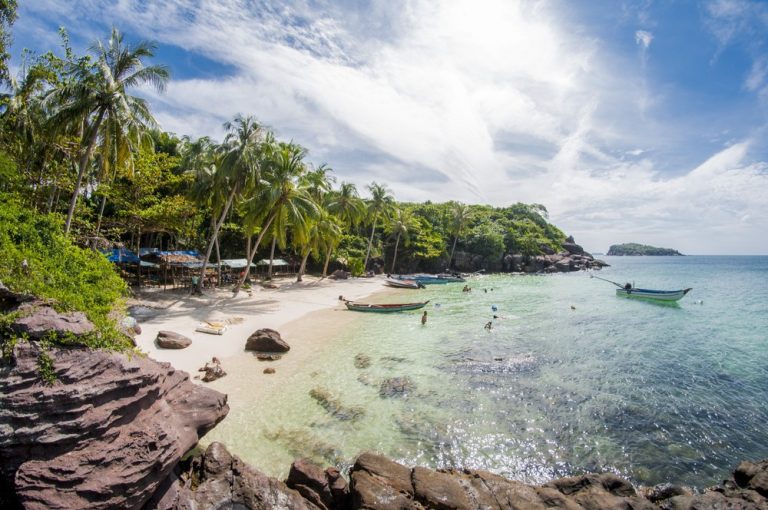
Phu Quoc is Vietnam’s most famous island destination and a true tropical paradise. Located in the south of the country, this island is known for its white-sand beaches, clear turquoise water, and relaxed atmosphere. Long Beach is the most popular area, offering beachfront resorts, sunset bars, and calm swimming conditions. For those seeking quieter spots, Sao Beach and Khem Beach provide soft sand and crystal-clear waters.

Phu Quoc is ideal for swimming, snorkeling, island hopping, and enjoying fresh seafood. With an international airport and visa-friendly policies for many nationalities, it is one of the easiest beach destinations in Vietnam for foreign tourists.

2. My Khe Beach (Da Nang)

My Khe Beach is one of the most accessible and well-developed beaches in Vietnam. Located just minutes from Da Nang’s city center, it offers a long stretch of clean sand, gentle waves, and modern facilities. The beach is perfect for swimming, jogging, sunbathing, and water sports such as surfing and paddleboarding.

What makes My Khe special is its balance between beach life and urban comfort. Visitors can enjoy luxury resorts, local seafood restaurants, and easy access to cultural attractions like the Marble Mountains and Hoi An Ancient Town. It is an excellent choice for first-time visitors to Vietnam.

3. Nha Trang Beach (Nha Trang City)

Nha Trang is one of Vietnam’s most vibrant beach cities, famous for its lively atmosphere and beautiful bay. The main beach stretches along the city’s coastline and is lined with hotels, cafés, and bars. The water is clear and calm, making it suitable for swimming and snorkeling.

Beyond the main beach, visitors can take boat trips to nearby islands, explore coral reefs, or relax in natural mud baths. Nha Trang is perfect for travelers who enjoy a mix of beach relaxation, nightlife, and adventure activities.

4. An Bang Beach (Hoi An)

An Bang Beach offers a peaceful escape just a short drive from the historic town of Hoi An. Unlike more crowded beaches, An Bang retains a relaxed and laid-back vibe, with golden sand, gentle waves, and fewer tourists. Beachfront cafés and restaurants serve fresh seafood and drinks, creating an ideal setting for a slow, enjoyable day by the sea.

This beach is especially popular with couples and travelers who want to combine cultural sightseeing with quiet beach time. Watching the sunset at An Bang Beach after a day exploring Hoi An is a memorable experience.

5. Mui Ne Beach (Phan Thiet)

Mui Ne is famous for its unique coastal scenery and strong sea breezes, making it a top destination for kiteboarding and windsurfing. The beach itself is long and sandy, with palm trees, fishing boats, and beachfront resorts. While swimming conditions vary, the area is perfect for water sports and seaside relaxation.

Beyond the beach, Mui Ne offers attractions such as red and white sand dunes, fishing villages, and coastal roads with scenic views. It is a great destination for travelers looking for something a little different from traditional tropical beaches.

6. Con Dao Beach (Con Dao Islands)

Con Dao is one of Vietnam’s most untouched and pristine beach destinations. Located off the southern coast, this island group is known for its clear water, coral reefs, and quiet atmosphere. Many beaches here feel secluded and unspoiled, making Con Dao ideal for travelers seeking tranquility and nature.

In addition to beautiful beaches, Con Dao has national parks, hiking trails, and historical sites. It is a perfect choice for eco-tourists, honeymooners, and visitors who prefer peaceful surroundings over crowds.

7. Doc Let Beach (Near Nha Trang)

Doc Let Beach is a hidden gem located north of Nha Trang. Known for its powdery white sand and shallow, calm water, it is especially suitable for swimming and relaxing. The beach is less developed than Nha Trang’s main beach, offering a quieter and more local experience.

Visitors can enjoy simple beachside restaurants, fresh seafood, and a slower pace of life. Doc Let is ideal for travelers who want beautiful scenery without the busy city atmosphere.

8. Lang Co Beach (Central Vietnam)

Lang Co Beach is one of the most scenic beaches in central Vietnam, situated between Da Nang and Hue. With a long curve of white sand, blue water, and a backdrop of mountains, it offers breathtaking views. The beach remains relatively peaceful, even during peak travel seasons.

Lang Co is perfect for travelers who enjoy photography, relaxation, and scenic drives. Its location makes it an excellent stop for those traveling between Hue and Da Nang.

Why Vietnam’s Beaches Are Worth Visiting

Vietnam’s beaches stand out for their diversity, affordability, and authenticity. From luxury resorts to simple beach huts, there are options for every budget. Seafood is fresh and flavorful, local people are welcoming, and many beaches remain less crowded than other popular destinations in Southeast Asia.

For foreign tourists, Vietnam offers a beach experience that goes beyond sunbathing. Each destination provides a chance to connect with local culture, explore nearby attractions, and enjoy natural beauty that feels both accessible and unique.

Final Thoughts

The 8 best beaches in Vietnam showcase the country’s incredible coastal diversity. Whether you dream of tropical islands, lively beach cities, or quiet seaside escapes, Vietnam has something special waiting for you. As tourism continues to grow, these beaches remain among the country’s greatest treasures, offering unforgettable experiences for travelers from around the world.

If you are planning a trip to Vietnam, make sure to include at least one of these stunning beach destinations in your itinerary—you may find yourself wanting to return again and again.

The Vietnam flag, with its bold red background and bright yellow star, is one of the most recognizable national symbols in Southeast Asia. For foreign travelers visiting Vietnam, the flag is impossible to miss—it flies proudly above government buildings, schools, temples, streets, boats, and even private homes. More than just a national emblem, the Vietnam flag represents the country’s history, values, resilience, and strong sense of unity.

Understanding the meaning behind the Vietnam flag offers visitors deeper insight into the nation’s identity and cultural pride. While travelers often focus on Vietnam’s landscapes, cuisine, and historic sites, the flag provides an important visual key to understanding the country’s past and present.


What the Vietnam Flag Looks Like

The national flag of Vietnam features a solid red background with a large yellow five-pointed star centered in the middle. The design is simple, striking, and instantly recognizable.

The red field symbolizes revolution, sacrifice, and the struggles that shaped modern Vietnam. The yellow star stands for unity and represents the Vietnamese people coming together as one nation. The clean design reflects strength, clarity, and purpose—qualities that are deeply valued in Vietnamese culture.


The Meaning Behind the Colors

Colors play a powerful symbolic role in Vietnamese history and tradition.

  • Red represents courage, determination, and the sacrifices made throughout Vietnam’s long struggle for independence. It also symbolizes vitality and strength, which are commonly associated with national pride.

  • Yellow is traditionally linked to prosperity, happiness, and the Vietnamese people themselves. Historically, yellow has been an important color in Vietnamese culture, often associated with royalty and the land.

For visitors, seeing these colors displayed throughout the country reinforces how deeply history and identity are woven into daily life in Vietnam.


The Five-Pointed Star and Its Symbolism

The five-pointed star on the Vietnam flag is rich in meaning. Each point traditionally represents a key group in society working together for national unity. While interpretations may vary, the overall message is clear: cooperation, harmony, and collective strength.

This emphasis on unity is a recurring theme in Vietnamese culture. Travelers may notice this spirit reflected in family life, community gatherings, festivals, and even the way people support one another in daily interactions.


A Symbol of National Pride

For Vietnamese people, the flag is a powerful symbol of national pride and independence. It is displayed prominently during national holidays, festivals, and important events. You may also see it lining streets during celebrations or flown from homes and businesses as a sign of respect and patriotism.

Foreign tourists often remark on how respectfully the flag is treated. This reflects the deep emotional connection many Vietnamese have with their national history and the hardships endured to build the country as it exists today.


The Vietnam Flag in Everyday Life

Unlike in some countries where national flags appear mainly at official sites, the Vietnam flag is a common sight in everyday life. It is frequently seen:

  • Along major streets and neighborhoods

  • At schools and universities

  • In public parks and squares

  • On fishing boats and rural homes

This widespread presence shows how closely national identity is tied to daily life. For travelers, it adds a strong sense of place and cultural continuity, whether visiting a bustling city or a quiet village.


Cultural Respect and Visitor Awareness

Understanding the importance of the Vietnam flag helps visitors show cultural respect during their travels. While tourists are not expected to know every detail, recognizing that the flag holds deep meaning can guide respectful behavior, especially during national holidays or commemorative events.

Many visitors find that learning about national symbols like the flag enriches their experience, helping them connect more thoughtfully with the places they visit and the people they meet.


The Flag as a Reflection of Vietnam’s Journey

Vietnam’s history spans thousands of years, shaped by resilience, adaptation, and strong cultural roots. The flag reflects this journey—not through complexity, but through powerful simplicity. Its design tells a story of unity, perseverance, and hope for the future.

For foreign tourists, the Vietnam flag becomes more than just a background detail. Once its meaning is understood, it becomes a reminder of the country’s collective spirit and the values that continue to guide Vietnamese society today.


Why the Vietnam Flag Matters to Travelers

Learning about the Vietnam flag helps travelers gain a deeper appreciation for the country beyond its famous landmarks. It provides cultural context that enhances visits to historical sites, museums, and public spaces.

Understanding national symbols also fosters meaningful travel—travel that is not just about sightseeing, but about cultural awareness and respect. The Vietnam flag serves as a visual introduction to the nation’s identity, values, and pride.


Final Thoughts

The Vietnam flag is a powerful and meaningful symbol that reflects the country’s history, unity, and national spirit. For foreign tourists, taking the time to understand its significance adds depth to the travel experience and helps build a stronger connection with Vietnam and its people.

As you journey through Vietnam—whether exploring busy cities, peaceful countryside, or coastal villages—the sight of the red flag with the yellow star serves as a constant reminder of a nation shaped by resilience and shared identity. Appreciating this symbol allows travelers to see Vietnam not just as a destination, but as a living culture with a strong sense of pride and purpose.

Nestled high in the misty mountains of northern Vietnam, Sapa is one of the country’s most captivating travel destinations. Known for its dramatic landscapes, terraced rice fields, cool mountain climate, and rich ethnic diversity, Sapa offers foreign travelers a unique experience that feels worlds apart from Vietnam’s bustling cities and tropical beaches. For those seeking natural beauty, cultural depth, and a slower pace of life, Sapa is an unforgettable stop on any Vietnam journey.

Located near the Chinese border in the Hoang Lien Son mountain range, Sapa sits at an altitude that gives it a refreshing climate year-round. Rolling clouds, emerald valleys, and towering peaks define the scenery, creating a setting that feels both peaceful and awe-inspiring. From sunrise over rice terraces to evenings wrapped in mountain fog, Sapa leaves a lasting impression on everyone who visits.


A Landscape Shaped by Nature and Tradition

Sapa’s most iconic feature is its terraced rice fields, which cascade down mountainsides in graceful curves. These terraces are not only visually stunning but also a testament to generations of agricultural knowledge passed down by local ethnic communities. Depending on the season, the fields transform in color—from vibrant green during the growing season to golden hues at harvest time.

Beyond the rice terraces, Sapa is surrounded by forests, waterfalls, rivers, and some of Vietnam’s highest peaks. The region’s natural beauty makes it ideal for trekking, photography, and outdoor exploration. Even travelers who simply enjoy scenic views will find Sapa deeply rewarding.


Home to Diverse Ethnic Cultures

One of Sapa’s greatest treasures is its ethnic diversity. The area is home to several ethnic minority groups, including the Hmong, Dao, Tay, and Giay people, each with distinct traditions, clothing, languages, and customs. These communities live in villages scattered throughout the valleys and hills surrounding Sapa town.

For foreign tourists, visiting Sapa offers a rare opportunity to observe and respectfully engage with traditional ways of life that have remained largely unchanged for generations. Colorful handmade textiles, traditional farming practices, and warm local hospitality give Sapa a cultural richness that goes far beyond its scenery.


A Cool Climate and Fresh Mountain Air

Unlike much of Vietnam, which has a tropical climate, Sapa enjoys cooler temperatures due to its high elevation. The climate is one of the main reasons travelers are drawn to the region. Crisp mornings, mild afternoons, and cool evenings make outdoor activities comfortable and enjoyable.

This climate also supports a different agricultural landscape, with vegetables, fruits, and flowers that are uncommon in other parts of the country. For many visitors, the fresh mountain air alone is a refreshing change that enhances the overall travel experience.


A Destination for Trekking and Adventure

Sapa is widely regarded as one of Vietnam’s best destinations for trekking. Trails wind through valleys, rice terraces, forests, and remote villages, offering both short walks and multi-day adventures. Trekking in Sapa allows travelers to fully immerse themselves in the region’s landscapes while learning about local culture along the way.

Even travelers without extensive hiking experience can enjoy guided walks tailored to different fitness levels. These journeys often include homestays in local villages, providing meaningful cultural exchange and insight into daily life in the mountains.


Sapa Town: A Gateway to the Mountains

While the surrounding countryside is the highlight, Sapa town itself serves as a convenient base for exploration. The town features markets, cafés, local restaurants, and viewpoints overlooking the valleys below. Its relaxed atmosphere makes it easy for travelers to unwind after a day of exploration.

At times, clouds roll through the town, creating a dreamlike atmosphere that adds to Sapa’s charm. This combination of small-town comfort and dramatic natural surroundings makes Sapa both accessible and magical for first-time visitors.


Local Cuisine and Mountain Flavors

Sapa’s cuisine reflects its mountainous environment and cultural diversity. Dishes are often hearty and warming, making them perfect for the cool climate. Locally grown vegetables, mountain herbs, and grilled meats are common elements of regional meals.

Dining in Sapa offers travelers the chance to taste flavors that differ from those found in lowland Vietnam. Sharing a meal in a local restaurant or homestay is also a great way to connect with the culture and people of the region.


A Year-Round Destination with Changing Moods

Sapa’s beauty changes with the seasons, making it a destination worth visiting at different times of the year. Each season brings its own atmosphere—from lush green landscapes and blooming flowers to misty mornings and golden rice fields.

This ever-changing scenery means that no two visits to Sapa are exactly the same. Many travelers find themselves drawn back to experience the region in a different season or from a new perspective.


Why Sapa Should Be on Your Vietnam Travel List

Sapa offers something increasingly rare in modern travel: a place where nature, culture, and tradition coexist in harmony. It provides foreign tourists with a deeper understanding of Vietnam beyond its major cities and famous beaches.

Whether you are drawn by scenic beauty, cultural exploration, outdoor adventure, or simply the desire to slow down, Sapa delivers a rich and rewarding experience. It invites travelers to look beyond the surface and connect with a more timeless side of Vietnam.


Final Thoughts

Sapa is more than a destination—it is an experience shaped by mountains, mist, and human heritage. Its breathtaking landscapes, vibrant ethnic cultures, and peaceful rhythm of life make it one of Vietnam’s most meaningful places to visit.

For foreign travelers seeking authenticity, natural beauty, and cultural depth, Sapa stands as a highlight of any journey through Vietnam. A visit to Sapa is not just about seeing beautiful places; it is about feeling connected to the land and the people who call it home.

Nestled in the Central Highlands of Vietnam, Da Lat is a refreshing contrast to the country’s tropical coastline and bustling cities. Often called the “City of Eternal Spring,” Da Lat is known for its cool climate, pine forests, rolling hills, waterfalls, and charming French colonial architecture. This unique atmosphere makes Da Lat a favorite destination for travelers seeking nature, romance, and outdoor adventure.

Here are 10 things to do in Da Lat that will help foreign visitors experience the city’s beauty, culture, and relaxed pace of life.


1. Explore Xuan Huong Lake

Located in the heart of the city, Xuan Huong Lake is one of Da Lat’s most scenic and peaceful spots. The crescent-shaped lake is surrounded by pine trees, flower gardens, and walking paths, making it perfect for a morning stroll or an evening walk.

Visitors can rent bicycles, enjoy coffee at nearby cafés, or simply relax while taking in the cool mountain air. The lake reflects Da Lat’s calm atmosphere and is an excellent introduction to the city.


2. Visit the Crazy House

The Crazy House, officially known as Hang Nga Guesthouse, is one of Da Lat’s most unusual attractions. Designed with twisting staircases, organic shapes, and dream-like architecture, it feels like stepping into a fantasy world.

Exploring the structure is both fun and visually fascinating, offering unique photo opportunities. The Crazy House reflects Da Lat’s artistic spirit and creative freedom, making it a must-see for curious travelers.


3. Discover Da Lat Flower Gardens

Da Lat is famous as Vietnam’s flower capital, thanks to its mild climate and fertile soil. The Da Lat Flower Gardens showcase a wide variety of colorful blooms, including roses, orchids, hydrangeas, and seasonal flowers.

Visiting the gardens allows travelers to appreciate the city’s horticultural heritage and vibrant natural beauty. The area is especially attractive during flower festivals and springtime.


4. Admire Bao Dai’s Summer Palace

The Bao Dai Summer Palace offers a glimpse into Vietnam’s royal history. Once used by Emperor Bao Dai, the palace features elegant architecture, period furnishings, and scenic views of the surrounding hills.

Walking through the palace helps visitors understand Vietnam’s past while enjoying the peaceful environment. It is an ideal stop for those interested in history and architecture.


5. Chase Waterfalls Around Da Lat

Da Lat is surrounded by stunning waterfalls, each with its own character. Popular waterfalls are set amid lush forests and rolling hills, making them ideal for nature lovers and photographers.

Some waterfalls are easily accessible, while others require short hikes, adding an element of adventure. The cool climate and scenic landscapes make waterfall visits especially refreshing.


6. Experience Local Coffee Culture

Da Lat is one of Vietnam’s most important coffee-growing regions. The city is known for its high-quality Arabica beans and cozy cafés tucked among hills and gardens.

Visitors can enjoy coffee with panoramic views, learn about the coffee-growing process, or simply relax in a peaceful setting. Experiencing Da Lat’s coffee culture is a wonderful way to slow down and connect with local life.


7. Wander Through Da Lat Market

Da Lat Market is the city’s most vibrant and lively area. During the day, visitors can browse stalls selling fresh produce, flowers, clothing, and souvenirs. At night, the market transforms into a bustling food hub.

Trying local snacks, chatting with vendors, and exploring the busy streets provide an authentic cultural experience. The market reflects the everyday rhythm of life in Da Lat.


8. Visit Truc Lam Zen Monastery

Located on a hill overlooking Tuyen Lam Lake, Truc Lam Zen Monastery is one of Vietnam’s largest and most beautiful Buddhist monasteries. The peaceful setting, surrounded by pine forests and water, creates a calming atmosphere.

Visitors are welcome to walk through the grounds, admire the architecture, and enjoy the serene views. The monastery is an excellent place for reflection and quiet appreciation of nature.


9. Enjoy Outdoor Adventures

Da Lat is known as Vietnam’s adventure capital. The surrounding landscape offers opportunities for hiking, cycling, canyoning, and horseback riding. The cooler climate makes outdoor activities comfortable year-round.

For adventurous travelers, guided tours provide safe and exciting ways to explore forests, rivers, and mountain terrain. These experiences highlight Da Lat’s natural diversity and adventurous spirit.


10. Explore French Colonial Architecture

Da Lat’s history as a French hill station is reflected in its architecture. Scattered throughout the city are charming colonial villas, churches, and old railway stations.

Walking through neighborhoods or visiting landmarks allows travelers to appreciate the city’s European influences blended with Vietnamese culture. This architectural mix gives Da Lat a distinctive character unlike anywhere else in Vietnam.


Why Da Lat Should Be on Your Vietnam Itinerary

Da Lat offers a completely different travel experience from Vietnam’s coastal cities and bustling urban centers. Its cool climate, natural landscapes, and relaxed atmosphere make it an ideal destination for those looking to slow down and reconnect with nature.

Whether you are drawn to scenic lakes, artistic architecture, outdoor adventures, or peaceful retreats, Da Lat provides a refreshing escape filled with charm and beauty.


Final Thoughts

Da Lat is a city that invites travelers to breathe deeply, explore thoughtfully, and enjoy life at a gentler pace. With its pine forests, flower gardens, waterfalls, and rich cultural heritage, Da Lat leaves a lasting impression on everyone who visits.

For foreign tourists traveling to Vietnam, Da Lat is a destination that balances nature, culture, and creativity—making it a truly unforgettable stop on any journey through the country.

Floating in the warm waters of the Gulf of Thailand, Phu Quoc Island is Vietnam’s largest island and one of Southeast Asia’s most appealing tropical destinations. Known for its pristine beaches, lush forests, crystal-clear waters, and relaxed island atmosphere, Phu Quoc has rapidly become a favorite choice for foreign travelers seeking both adventure and tranquility. While Vietnam is often associated with bustling cities, historic towns, and dramatic mountain landscapes, Phu Quoc offers a completely different experience—one defined by nature, simplicity, and coastal beauty.

For first-time visitors to Vietnam, Phu Quoc provides an excellent introduction to the country’s island life. The island blends modern tourism infrastructure with traditional fishing villages, vibrant local markets, and protected natural areas. Whether travelers are looking for luxury resorts, eco-friendly escapes, or authentic cultural encounters, Phu Quoc delivers a well-rounded and memorable experience.


A Tropical Island with Diverse Natural Beauty

Phu Quoc’s natural landscape is one of its greatest attractions. The island features long stretches of white-sand beaches, calm turquoise seas, dense tropical forests, rolling hills, and coral reefs teeming with marine life. More than half of the island is protected as part of a national park, ensuring that much of its natural charm remains untouched.

Unlike many heavily developed island destinations, Phu Quoc maintains a balance between tourism growth and environmental preservation. Visitors can spend one day relaxing on a quiet beach and the next hiking through jungle trails or snorkeling in shallow reefs. This diversity makes the island appealing to a wide range of travelers, from honeymooners and families to solo adventurers and nature lovers.


Beaches That Define Island Life

Phu Quoc is best known for its beautiful beaches, each offering a unique atmosphere. Long Beach, located near the main town, is lively and convenient, with beachfront restaurants and sunset views. Other beaches provide a more secluded experience, perfect for those seeking peace and privacy.

The gentle waves and warm waters make Phu Quoc ideal for swimming, kayaking, and paddleboarding. Sunsets on the island are particularly famous, painting the sky in shades of orange, pink, and purple—an unforgettable sight for visitors experiencing island evenings for the first time.


A Growing Yet Laid-Back Destination

While Phu Quoc has developed rapidly over the past decade, it still retains a laid-back charm that sets it apart from more crowded destinations. Modern resorts, boutique hotels, and eco-lodges coexist alongside traditional homes and fishing boats.

Foreign tourists often appreciate how easy it is to get around the island, whether by motorbike, taxi, or guided tour. Despite its growing popularity, Phu Quoc remains approachable and welcoming, making it an excellent choice for travelers who want comfort without losing a sense of authenticity.


Rich Local Culture and Traditions

Beyond its beaches, Phu Quoc offers insights into Vietnam’s coastal culture. Fishing has long been central to island life, and visitors can still see local fishermen heading out to sea or repairing nets along the shore. Traditional crafts, such as fish sauce production and pearl farming, remain important to the local economy and cultural identity.

Local markets provide a glimpse into daily life, offering fresh seafood, tropical fruits, and regional specialties. Interacting with friendly locals adds depth to the travel experience and helps visitors better understand Vietnam’s island communities.


A Destination for Food Lovers

Phu Quoc is a paradise for travelers who enjoy discovering local cuisine. The island’s location ensures an abundance of fresh seafood, prepared simply to highlight natural flavors. Grilled fish, steamed shellfish, and seafood hotpots are common highlights for visitors.

The island is also famous for its fish sauce, widely regarded as some of the best in Vietnam. Exploring local food stalls, night markets, and seaside restaurants allows travelers to connect with Vietnam’s culinary traditions in a relaxed island setting.


Outdoor Adventures and Marine Experiences

Phu Quoc is not just about relaxation—it also offers plenty of opportunities for outdoor adventure. Snorkeling and diving reveal colorful coral reefs and tropical fish, while boat trips explore nearby islands and hidden coves.

Hiking and nature walks within the island’s protected areas allow visitors to discover waterfalls, viewpoints, and wildlife. These activities provide a refreshing contrast to beach time and highlight Phu Quoc’s ecological diversity.


Ideal for First-Time and Returning Visitors

One of Phu Quoc’s greatest strengths is its versatility. For first-time visitors to Vietnam, the island offers a gentle introduction to the country’s culture, cuisine, and hospitality. For returning travelers, it provides a chance to experience a different side of Vietnam—slower, calmer, and closer to nature.

The island is suitable for a wide range of travel styles, from luxury escapes to budget-friendly adventures. Whether staying for a few days or a longer island retreat, visitors often find Phu Quoc difficult to leave.


Why Phu Quoc Should Be on Your Vietnam Travel List

Phu Quoc Island stands out as a destination where natural beauty, cultural authenticity, and modern comfort come together harmoniously. It offers a refreshing escape from busy cities while still providing enough activities, dining options, and accommodation choices to satisfy international travelers.

For those planning a trip to Vietnam, Phu Quoc represents an opportunity to experience the country’s coastal charm at its finest. With its welcoming atmosphere, scenic landscapes, and rich local life, the island leaves a lasting impression on everyone who visits.


Final Thoughts

Phu Quoc Island is more than just a beach destination—it is a place where travelers can slow down, reconnect with nature, and experience a gentler side of Vietnam. From its tranquil shores and lush forests to its flavorful cuisine and warm hospitality, Phu Quoc offers an introduction to Vietnam that is both inspiring and unforgettable.

Whether you come for relaxation, exploration, or cultural discovery, Phu Quoc Island promises a journey filled with beauty, balance, and meaningful travel moments.

Vietnam is renowned for its vibrant cities, rich culture, and stunning coastline, but its national parks are equally impressive. Stretching from misty mountains in the north to lush wetlands in the south, Vietnam’s national parks protect some of Southeast Asia’s most diverse ecosystems. These protected areas are home to rare wildlife, dramatic landscapes, and unique cultural experiences that appeal to nature lovers, adventure seekers, and eco-conscious travelers.

Here are 10 national parks in Vietnam that offer unforgettable experiences for foreign visitors.


1. Phong Nha–Ke Bang National Park

Located in central Vietnam, Phong Nha–Ke Bang National Park is one of the country’s most spectacular natural wonders. The park is famous for its vast cave systems, including some of the largest caves in the world.

Visitors can explore underground rivers, massive caverns, and dramatic limestone formations. Above ground, the park features dense jungle, hiking trails, and rural villages. This UNESCO-listed park is ideal for travelers seeking adventure, geology enthusiasts, and those interested in eco-tourism.


2. Cuc Phuong National Park

Cuc Phuong National Park, Vietnam’s oldest national park, lies south of Hanoi and is easily accessible for travelers. The park is known for its ancient forests, limestone mountains, and rich biodiversity.

Visitors can walk beneath towering trees, visit the Endangered Primate Rescue Center, and explore prehistoric caves. Cuc Phuong is also famous for its butterfly season, when thousands of colorful butterflies fill the forest, creating a magical atmosphere.


3. Ba Be National Park

Nestled in the mountainous region of northern Vietnam, Ba Be National Park is centered around Ba Be Lake, one of the largest natural freshwater lakes in the country. Surrounded by limestone cliffs and tropical forest, the park offers serene beauty and cultural encounters.

Boat trips across the lake allow visitors to explore caves, waterfalls, and ethnic minority villages. Ba Be is perfect for travelers seeking tranquility, scenic landscapes, and authentic rural experiences.


4. Cat Ba National Park

Located on Cat Ba Island near Ha Long Bay, Cat Ba National Park combines marine and terrestrial ecosystems. The park features tropical forests, mangroves, limestone hills, and coastal waters.

Hiking trails lead to panoramic viewpoints, while kayaking and boat tours explore hidden bays and floating fishing villages. Cat Ba is also home to the critically endangered Cat Ba langur, making it an important conservation site.


5. Yok Don National Park

Yok Don National Park, in Vietnam’s Central Highlands, is one of the largest national parks in the country. Unlike many other parks, Yok Don is characterized by dry deciduous forests, which change dramatically with the seasons.

The park offers wildlife observation, guided forest walks, and opportunities to learn about local ethnic cultures. It is particularly known for its ethical elephant tourism, focusing on conservation and respectful interaction rather than riding.


6. Con Dao National Park

Con Dao National Park protects both land and marine environments in an island archipelago off southern Vietnam. The park is known for pristine beaches, coral reefs, and lush forests.

Visitors can hike through tropical jungle, snorkel in clear waters, and observe sea turtles during nesting season. Con Dao is ideal for travelers seeking unspoiled nature, peaceful surroundings, and marine biodiversity.


7. Tram Chim National Park

Located in the Mekong Delta, Tram Chim National Park is a wetland ecosystem famous for its birdlife. The park protects floodplains, grasslands, and waterways that support hundreds of bird species.

Boat tours through the wetlands allow visitors to observe rare birds in their natural habitat. Tram Chim offers a unique contrast to Vietnam’s mountains and beaches, highlighting the importance of wetland conservation.


8. Bach Ma National Park

Situated between Hue and Da Nang, Bach Ma National Park features cool mountain climates, lush forests, and dramatic viewpoints. The park was once a hill station during the colonial period and still retains a sense of quiet elegance.

Hiking trails lead to waterfalls, mountain peaks, and scenic overlooks with views of the coastline. Bach Ma is well-suited for travelers who enjoy trekking, photography, and birdwatching.


9. Pu Luong Nature Reserve

Though technically a nature reserve, Pu Luong functions much like a national park and is increasingly popular with international travelers. Located in northern Vietnam, Pu Luong is known for its terraced rice fields, limestone mountains, and traditional villages.

Visitors can trek through valleys, stay in eco-lodges, and experience the daily life of ethnic minority communities. Pu Luong offers a peaceful alternative to more crowded destinations.


10. U Minh Thuong National Park

U Minh Thuong National Park, located in southern Vietnam, protects peat swamp forests that are rare in Southeast Asia. The park’s ecosystem supports diverse wildlife and plays a vital role in environmental protection.

Visitors can explore elevated walkways, take boat tours through canals, and learn about the importance of wetland preservation. This park is ideal for travelers interested in ecology and off-the-beaten-path destinations.


Why Visit National Parks in Vietnam?

Vietnam’s national parks offer much more than scenic beauty. They provide insight into the country’s incredible biodiversity, environmental challenges, and conservation efforts. Visiting these parks allows travelers to experience Vietnam beyond its cities and beaches, while supporting sustainable tourism.

From hiking through ancient forests and exploring underground caves to kayaking across lakes and spotting rare wildlife, Vietnam’s national parks cater to a wide range of interests and travel styles.


Travel Tips for Visiting Vietnam’s National Parks

  • Best time to visit: Many parks are best explored during the dry season, although each region has its own climate.

  • Hire local guides: Guided tours enhance safety and provide valuable knowledge about wildlife and local culture.

  • Respect nature: Follow park rules, avoid littering, and minimize environmental impact.

  • Prepare properly: Bring suitable clothing, insect repellent, and sturdy footwear for outdoor activities.


Final Thoughts

Vietnam’s national parks showcase the country’s extraordinary natural diversity and cultural richness. Whether you are drawn to towering mountains, tranquil lakes, dense jungles, or coastal ecosystems, these protected areas offer unforgettable experiences for foreign travelers.

Exploring Vietnam’s national parks not only deepens your connection to nature but also reveals a side of the country that is wild, peaceful, and profoundly beautiful. If you want to truly understand Vietnam, stepping into its national parks is an essential part of the journey.

Located along Vietnam’s stunning south-central coast, Nha Trang is one of the country’s most popular beach destinations. Famous for its turquoise waters, long sandy shoreline, vibrant nightlife, and rich cultural heritage, Nha Trang offers a perfect balance of relaxation and adventure. Whether you are a beach lover, history enthusiast, foodie, or thrill-seeker, this coastal city has something to offer every traveler.

Here are the 10 best things to do in Nha Trang that will help you make the most of your visit.


1. Relax on Nha Trang Beach

Nha Trang Beach is the heart of the city and one of the most beautiful urban beaches in Vietnam. Stretching for several kilometers along Tran Phu Street, the beach features soft golden sand, calm waters, and palm-lined promenades.

Visitors can swim, sunbathe, or simply enjoy the ocean breeze. Early mornings are perfect for watching locals practice tai chi, while evenings offer stunning sunsets and a lively atmosphere with nearby cafés and restaurants.


2. Explore VinWonders Nha Trang

Located on Hon Tre Island, VinWonders Nha Trang is one of the largest amusement parks in Southeast Asia. Accessible by cable car over the sea, the park features thrilling rides, water slides, live shows, and an aquarium.

This attraction is ideal for families and travelers looking for a full day of entertainment. The cable car ride itself offers spectacular panoramic views of Nha Trang Bay.


3. Visit the Po Nagar Cham Towers

The Po Nagar Cham Towers are one of Nha Trang’s most important historical and cultural sites. Built between the 7th and 12th centuries, these ancient towers were constructed by the Cham civilization and dedicated to the goddess Po Nagar.

Visitors can explore the red-brick towers, admire Cham architecture, and enjoy views of the Cai River. The site also offers insight into Vietnam’s diverse cultural history and religious traditions.


4. Go Island Hopping in Nha Trang Bay

Nha Trang Bay is famous for its crystal-clear waters and picturesque islands. A boat tour allows visitors to explore islands such as Hon Mun, Hon Tam, and Hon Mieu.

Island-hopping tours often include snorkeling, swimming, seafood lunches, and relaxing beach time. Hon Mun Marine Protected Area is especially popular for its coral reefs and marine life, making it one of the best snorkeling spots in Vietnam.


5. Experience Mud Baths and Hot Springs

Nha Trang is well-known for its mud baths and hot mineral springs, a unique experience that combines relaxation with health benefits. Popular spa complexes offer mineral-rich mud baths believed to improve circulation, relieve stress, and nourish the skin.

This activity is perfect after a long day of sightseeing and provides a peaceful escape from the city’s hustle and bustle.


6. Discover Long Son Pagoda

Long Son Pagoda is one of the most iconic religious landmarks in Nha Trang. Founded in the late 19th century, the pagoda is famous for its large white Buddha statue that sits atop Trai Thuy Hill.

Visitors can climb the steps to reach the statue and enjoy panoramic views of the city and coastline. The pagoda offers a calm and spiritual atmosphere, making it an excellent place for reflection and photography.


7. Enjoy Fresh Seafood

Nha Trang is a paradise for seafood lovers. The city’s coastal location means an abundance of fresh fish, shrimp, squid, crab, and lobster. Local seafood restaurants and night markets allow visitors to choose live seafood and have it cooked to order.

Popular local dishes include grilled lobster, steamed clams with lemongrass, and fish hotpot. Dining by the sea while enjoying fresh seafood is a must-do experience in Nha Trang.


8. Explore Nha Trang Night Market

The Nha Trang Night Market is a lively spot where visitors can experience local culture, shop for souvenirs, and enjoy street food. Stalls sell handmade crafts, clothing, jewelry, and Vietnamese snacks.

It’s a great place to practice bargaining, sample local flavors, and enjoy the energetic nighttime atmosphere. The market is also family-friendly and conveniently located near the beach.


9. Try Water Sports and Diving

Thanks to its calm seas and clear waters, Nha Trang is one of Vietnam’s best destinations for water sports. Visitors can try jet skiing, parasailing, kayaking, and paddleboarding along the coast.

For more adventurous travelers, scuba diving and snorkeling offer the chance to explore vibrant coral reefs and tropical fish. Nha Trang is suitable for both beginners and experienced divers, with many professional dive centers available.


10. Visit the National Oceanographic Museum

The National Oceanographic Museum of Vietnam offers an educational and fascinating look into the country’s marine biodiversity. The museum features thousands of preserved marine specimens, live aquariums, and displays about ocean ecosystems.

This attraction is ideal for families, marine life enthusiasts, and travelers interested in learning more about Vietnam’s coastal environment.


Why Nha Trang Should Be on Your Vietnam Itinerary

Nha Trang stands out as a destination that combines natural beauty, cultural heritage, modern entertainment, and delicious cuisine. Its well-developed tourism infrastructure makes it especially appealing to international travelers, while its friendly locals and relaxed coastal vibe ensure a memorable stay.

Whether you want to unwind on the beach, explore ancient temples, indulge in fresh seafood, or enjoy exciting island adventures, Nha Trang offers an unforgettable Vietnamese coastal experience.


Final Thoughts

Nha Trang is more than just a beach city—it is a vibrant destination where tradition meets modern tourism. With its scenic coastline, cultural landmarks, and wide range of activities, it appeals to travelers of all ages and interests.

If you are planning a trip to Vietnam, adding Nha Trang to your itinerary will reward you with sun-soaked days, rich cultural experiences, and lasting memories of one of Southeast Asia’s most beautiful seaside cities.