Author

TIN NGUYEN

Browsing

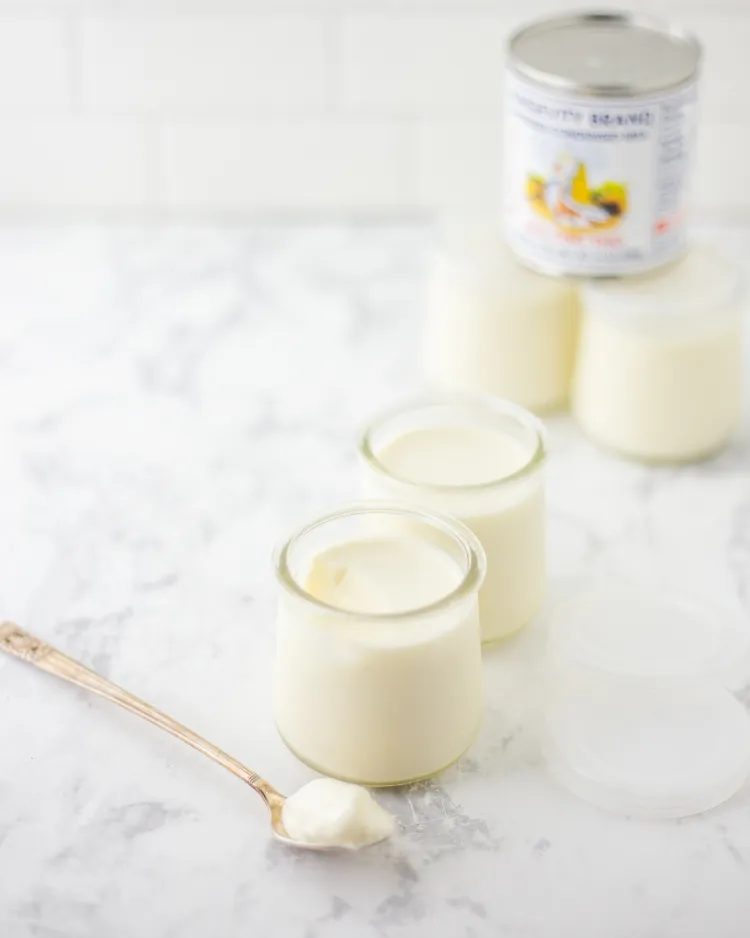
Vietnamese Yogurt, known as Sữa Chua, is a beloved homemade dessert enjoyed throughout Vietnam. Unlike many traditional yogurts, Vietnamese yogurt is made with sweetened condensed milk, giving it a naturally rich, creamy texture and a balanced sweetness. It’s delicious served chilled on its own or topped with fresh fruit, coffee, or crushed ice for a refreshing treat.

Although making yogurt may sound complicated, the process is actually quite simple. With just a handful of ingredients and a little patience during fermentation, you can create smooth, silky yogurt that tastes just like the homemade version found in Vietnamese homes and cafés.

1. Vietnamese Yogurt Recipe (Yield: 8 Servings)

Ingredients

  • 1 (14-ounce) can sweetened condensed milk
  • 4 cups whole milk
  • 1 cup hot water (not boiling)
  • ½ cup plain yogurt with live active cultures (store-bought or homemade, at room temperature)
  • Glass jars or small containers with lids for fermenting

Instructions

Begin by washing and sterilizing the glass jars or containers with hot water. Allow them to air dry completely before filling.

Pour the sweetened condensed milk into a large mixing bowl.

Add the hot water and whisk until the condensed milk dissolves completely into a smooth mixture.

Pour in the whole milk and continue whisking until everything is well combined. The milk mixture should feel warm but not hot. Ideally, it should be around 105°F to 110°F (40°C to 43°C). If the mixture is warmer than this, allow it to cool slightly before adding the yogurt starter.

Place the plain yogurt at room temperature for about 30 minutes before using. Cold yogurt can slow the fermentation process.

Add the yogurt starter to the warm milk mixture and gently whisk until evenly incorporated. Avoid vigorous mixing, which can affect the final texture.

Pour the mixture evenly into the prepared glass jars, leaving a little space at the top.

Cover each jar loosely with its lid or plastic wrap.

Arrange the jars in a large pot, insulated cooler, yogurt maker, or another container suitable for fermentation.

Pour warm water around the jars until it reaches about halfway up the sides of the containers. The water should be warm to the touch but not hot enough to burn your finger.

Cover the pot or cooler with a lid and wrap it with a thick towel if needed to help retain warmth.

Allow the yogurt to ferment undisturbed for 8 to 10 hours. For a tangier flavor, ferment for up to 12 hours.

After fermentation, carefully remove the jars and refrigerate them for at least 4 hours before serving. Chilling allows the yogurt to fully set and develop its signature creamy texture.

Serve cold as is, or enjoy it with fresh berries, tropical fruit, granola, honey, crushed ice, or even Vietnamese-style coffee poured over the top for a popular café treat.

Store homemade Vietnamese yogurt in the refrigerator for up to one week.

2. Tips for Perfect Vietnamese Yogurt

Use whole milk for the creamiest texture. Lower-fat milk produces a thinner yogurt.

Choose plain yogurt that contains live active cultures. This is essential for successful fermentation.

Allow the yogurt starter to reach room temperature before mixing it into the milk to help protect the beneficial bacteria.

Keep the fermentation temperature warm and consistent. Temperatures that are too cool can prevent the yogurt from setting properly.

Avoid moving or shaking the jars during fermentation. Leaving them undisturbed helps create a smooth, even texture.

Do not add the yogurt starter while the milk mixture is too hot, as excessive heat can kill the active cultures.

Refrigerate the yogurt for several hours before serving. This improves both the texture and flavor.

Save a small portion of your homemade yogurt to use as the starter for your next batch.

3. Frequently Asked Questions

Why didn’t my yogurt set properly?

The most common reasons are using milk that was too hot, a starter without active cultures, or fermenting at a temperature that was too cool.

Can I use low-fat or skim milk?

Yes, but the yogurt will have a lighter consistency. Whole milk creates the traditional rich and creamy Vietnamese texture.

How long does homemade Vietnamese yogurt last?

Stored in airtight containers, it stays fresh in the refrigerator for about one week.

Can I flavor the yogurt with fruit?

Yes. It’s best to add fresh fruit, jam, honey, or other flavorings after the yogurt has finished fermenting to maintain the best texture.

Can I reuse homemade yogurt as a starter?

Absolutely. Reserve about ½ cup from a fresh batch and use it within one week to start your next batch of yogurt.

4. Nutrition Information

Nutrient Amount Per Serving
Calories 180
Protein 6 g
Total Fat 5 g
Saturated Fat 3 g
Carbohydrates 28 g
Sugar 27 g
Calcium 220 mg
Sodium 90 mg
Cholesterol 18 mg
Potassium 290 mg

Making homemade Vietnamese Yogurt is a rewarding way to enjoy one of Vietnam’s most popular desserts. With only a few pantry staples and a simple fermentation process, you can create yogurt that’s creamy, lightly tangy, and perfectly sweet every time.

Once you’ve mastered this Vietnamese Yogurt Recipe, you’ll find yourself making it regularly for breakfast, snacks, or dessert. Enjoy it plain, topped with fruit, or paired with Vietnamese coffee for a delicious homemade treat that’s both comforting and refreshing.
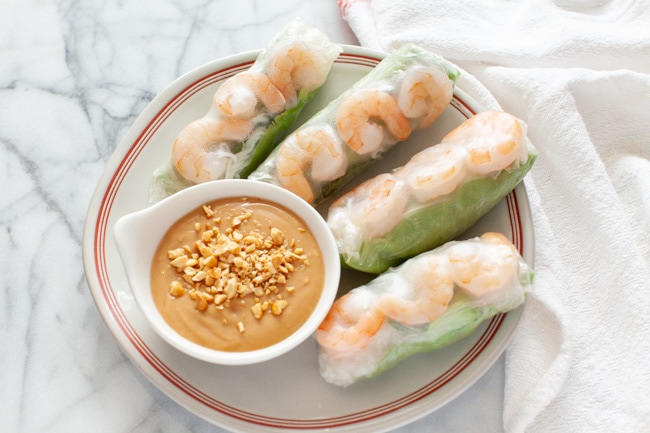
Vietnamese Peanut Sauce is the perfect dipping sauce for fresh spring rolls, summer rolls, grilled meats, and even noodles. It has a creamy texture with a delicious balance of nutty, sweet, savory, tangy, and slightly garlicky flavors. Best of all, it comes together in just a few minutes using simple pantry ingredients.

Making your own peanut sauce at home allows you to adjust the sweetness, saltiness, and thickness to suit your taste. This easy recipe is great for family dinners, appetizers, meal prep, or entertaining guests, and it stores well in the refrigerator for several days.

1. Vietnamese Peanut Sauce For Spring Rolls (Yield: 8 Servings)

Ingredients

  • 1/2 cup creamy peanut butter
  • 2 tablespoons hoisin sauce
  • 2 tablespoons soy sauce
  • 1 tablespoon rice vinegar
  • 1 tablespoon lime juice
  • 1 tablespoon honey or brown sugar (adjust to taste)
  • 1–2 garlic cloves, minced
  • 1/2 teaspoon sesame oil (optional, for extra flavor)
  • 1/4 cup warm water (adjust as needed for desired consistency)

Instructions

Add the creamy peanut butter to a medium mixing bowl. Using room-temperature peanut butter makes it easier to combine with the other ingredients.

Add the hoisin sauce, soy sauce, rice vinegar, lime juice, honey or brown sugar, minced garlic, and sesame oil if using.

Whisk the ingredients together until they begin forming a thick, smooth mixture. At first, the sauce may seem stiff, but it will loosen as the liquid is incorporated.

Gradually pour in the warm water, adding only a tablespoon or two at a time while whisking continuously. Continue adding water until the sauce reaches your preferred consistency. For dipping spring rolls, the sauce should be thick enough to coat the rolls but still pour easily from a spoon.

Taste the sauce and adjust the seasoning if needed. Add a little more honey for extra sweetness, another splash of soy sauce for a deeper savory flavor, or a squeeze of lime juice if you’d like a brighter finish.

Allow the sauce to rest for about 10 minutes before serving. This gives the garlic time to mellow slightly while allowing all of the flavors to blend together.

If the sauce thickens after sitting, stir in a teaspoon or two of warm water until it returns to the desired consistency.

Transfer the peanut sauce to a serving bowl. If desired, garnish with chopped roasted peanuts, sliced green onions, sesame seeds, or a pinch of crushed red pepper flakes for extra flavor and texture.

Serve alongside Vietnamese fresh spring rolls, grilled shrimp, grilled pork, chicken skewers, lettuce wraps, rice paper rolls, or drizzle it over rice noodle bowls.

Store any leftovers in an airtight container in the refrigerator for up to one week. Stir well before serving again, adding a little warm water if necessary to loosen the sauce.

2. Tips for Perfect Vietnamese Peanut Sauce

Use creamy peanut butter for the smoothest texture. Natural peanut butter can also be used, but stir it thoroughly before measuring since the oil often separates.

Add the warm water gradually instead of all at once. This gives you better control over the final consistency.

Freshly minced garlic provides the best flavor. Finely mince or grate it so it blends evenly into the sauce without leaving large pieces.

Balance the flavors before serving. Every brand of peanut butter and hoisin sauce varies slightly in sweetness and saltiness, so taste and adjust as needed.

Allow the sauce to rest for several minutes before serving. This helps the ingredients fully combine and creates a more balanced flavor.

If serving the sauce chilled from the refrigerator, stir it well before using because it naturally thickens as it cools.

For a spicy version, mix in a little sambal oelek, chili garlic sauce, or a pinch of cayenne pepper.

For an extra authentic presentation, garnish with crushed roasted peanuts and finely sliced green onions just before serving.

3. Frequently Asked Questions

Can I make the peanut sauce ahead of time?

Yes. The sauce can be prepared several days in advance and stored in an airtight container in the refrigerator. Stir before serving and thin with warm water if needed.

What foods pair well with Vietnamese peanut sauce?

Besides fresh spring rolls, it pairs wonderfully with grilled chicken, pork, shrimp, beef skewers, rice noodle bowls, lettuce wraps, steamed vegetables, and even as a sandwich spread.

Can I use crunchy peanut butter instead of creamy?

Yes. Crunchy peanut butter adds extra texture, although creamy peanut butter produces the classic smooth dipping sauce most commonly served with Vietnamese spring rolls.

Why did my peanut sauce become too thick?

Peanut butter naturally thickens as it sits or chills. Simply whisk in a small amount of warm water until it reaches your preferred consistency.

Can I freeze Vietnamese peanut sauce?

Yes. Freeze it in an airtight container for up to three months. Thaw overnight in the refrigerator and stir well before serving.

4. Nutrition Information

Nutrient Amount Per Serving
Calories 135
Protein 4 g
Total Fat 10 g
Saturated Fat 2 g
Carbohydrates 10 g
Fiber 1 g
Sugar 7 g
Sodium 340 mg
Cholesterol 0 mg
Potassium 145 mg

This Vietnamese Peanut Sauce For Spring Rolls is a simple homemade recipe that delivers authentic flavor with minimal effort. The creamy peanut butter, savory hoisin sauce, fresh garlic, and bright lime juice create a perfectly balanced dipping sauce that’s delicious with spring rolls and many other dishes.

Once you try making this sauce from scratch, you’ll appreciate how easy it is to customize for your own taste. Keep a batch in the refrigerator for quick appetizers, healthy lunches, or flavorful weeknight meals, and you’ll always have a versatile dipping sauce ready to enjoy.

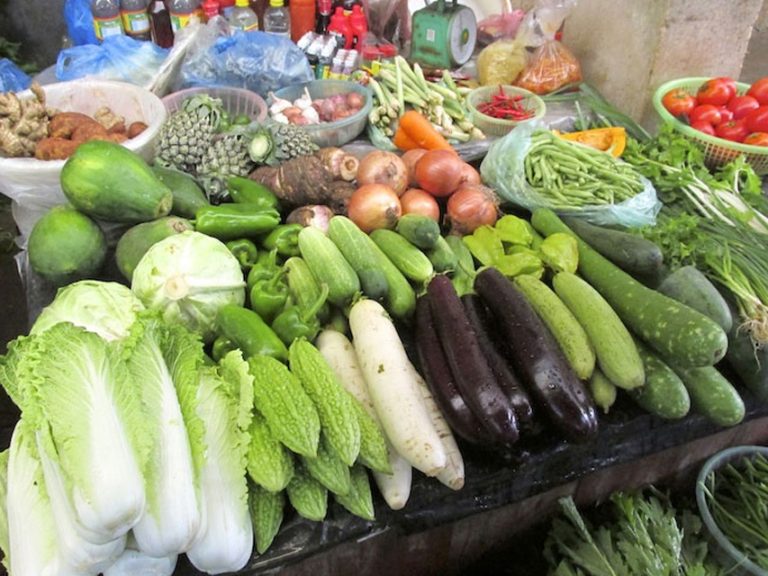
Vegetables are an essential part of Vietnamese cuisine, adding freshness, color, and flavor to everyday meals. They are enjoyed in many ways, including stir-fried, boiled, steamed, and served fresh alongside noodles, rice, and grilled dishes.

Thanks to Vietnam’s tropical climate, a wide variety of vegetables are available year-round. Here are ten of the most popular vegetables commonly found in traditional Vietnamese meals.

1. Water Spinach (Rau Muống)

Water spinach is one of the most beloved vegetables in Vietnam and appears on dining tables across the country.

Its hollow stems and tender leaves have a mild flavor and crisp texture, making it incredibly versatile. One of the most popular dishes is stir-fried water spinach with garlic (Rau Muống Xào Tỏi), where the vegetable is quickly cooked over high heat to retain its freshness and crunch.

Water spinach is also commonly boiled and served with fish sauce for dipping or added to sour soups in southern Vietnam.

Rich in vitamins A and C, iron, and fiber, it’s both nutritious and delicious.

2. Mustard Greens (Cải Xanh)

Mustard greens are another staple in Vietnamese households. Their slightly peppery flavor works well in a variety of dishes.

They are often stir-fried with garlic, cooked with pork, or added to noodle soups. During cooler months, mustard greens are frequently used in hearty broths.

Pickled mustard greens (Dưa Cải Chua) are also extremely popular. This tangy side dish is served with braised pork, roasted duck, and many traditional meals, especially during Tet.

3. Bok Choy (Cải Thìa)

Bok choy is widely used in both home cooking and restaurant dishes throughout Vietnam.

Its tender leaves and crunchy stems make it perfect for stir-fries, soups, and hot pots. Garlic stir-fried bok choy is one of the simplest and most popular preparations.

Because of its mild taste, bok choy pairs well with beef, chicken, tofu, mushrooms, and seafood.

It’s also packed with vitamins A, C, and K, making it a healthy addition to everyday meals.

4. Malabar Spinach (Rau Mồng Tơi)

Malabar spinach is known for its thick, glossy leaves and slightly slippery texture when cooked.

It is especially popular in Vietnamese soups, where it is often combined with shrimp, crab, or minced pork. One of the most common family dishes is Malabar spinach soup with shrimp, which is light, nutritious, and easy to prepare.

The vegetable thrives during Vietnam’s hot summers and is believed to have cooling properties, making it a favorite during warm weather.

5. Chayote (Su Su)

Chayote is a mild-flavored vegetable commonly grown in Vietnam’s mountainous regions, particularly around Sapa and Tam Dao.

Both the fruit and the tender shoots are edible. The fruit is often stir-fried with beef or garlic, while the shoots are prized for their crisp texture and delicate flavor.

Simple stir-fried chayote shoots have become a specialty dish in northern Vietnam and are frequently enjoyed with steamed rice.

6. Morning Glory Leaves (Rau Lang)

Sweet potato leaves are another nutritious vegetable commonly found in Vietnamese kitchens.

They can be boiled, stir-fried, or cooked into soups. Boiled sweet potato leaves are often served alongside fermented shrimp paste or fish sauce.

The leaves have a slightly earthy flavor and tender texture, making them a simple yet satisfying side dish.

They are also rich in antioxidants, vitamins, and dietary fiber.

7. Bitter Melon (Khổ Qua)

Bitter melon has a distinctive bitter taste that may surprise first-time visitors, but it is highly valued in Vietnamese cuisine.

One of the most famous dishes is stuffed bitter melon soup, where the hollowed fruit is filled with seasoned pork and mushrooms before being simmered in a clear broth.

This dish is especially popular during Lunar New Year because the name “khổ qua” can be interpreted as “hardships passing,” symbolizing hope for a better year ahead.

Despite its bitterness, many people appreciate its refreshing taste and potential health benefits.

8. Winter Melon (Bí Đao)

Winter melon is a light, refreshing vegetable commonly used in soups throughout Vietnam.

Its mild flavor allows it to absorb the taste of broths made with pork ribs, shrimp, or dried seafood.

Winter melon soup is particularly popular during hot weather because it is believed to help cool the body.

The vegetable is also low in calories while providing vitamins, minerals, and hydration.

9. Banana Blossom (Hoa Chuối)

Banana blossom is one of the most unique vegetables in Vietnamese cuisine.

Thinly sliced banana blossom is commonly served fresh in salads or as a crunchy accompaniment to noodle dishes such as Bún Bò Huế and Bún Riêu.

It has a slightly nutty flavor and crisp texture that pairs beautifully with herbs, peanuts, and tangy fish sauce dressings.

Many visitors are surprised to learn that the flower of the banana plant is an important ingredient in Vietnamese cooking.

10. Pumpkin Leaves and Shoots (Rau Bí)

Pumpkin leaves and young shoots are widely enjoyed in rural areas and are becoming increasingly popular in cities as well.

They are usually stir-fried with garlic or cooked into light soups with shrimp.

The tender vines have a pleasantly soft texture and subtle sweetness that pairs well with simple seasonings.

Pumpkin shoots are an excellent example of Vietnam’s resourceful cooking traditions, where nearly every edible part of a plant is used.

Why Vegetables Are So Important in Vietnamese Cuisine

Vietnamese meals are carefully balanced to include a variety of flavors, textures, and nutrients. Vegetables help create this balance by adding freshness and reducing the richness of meat-based dishes.

Many meals feature several vegetable dishes alongside rice, soup, and protein. Fresh herbs and leafy greens are also commonly served with spring rolls, grilled meats, and noodle dishes, allowing diners to customize each bite.

This emphasis on vegetables contributes to the light, healthy character of Vietnamese cuisine and is one reason it is widely regarded as one of the healthiest diets in the world.

Tips for Trying Vietnamese Vegetables

If you’re visiting Vietnam, don’t hesitate to explore the wide variety of local vegetables available at restaurants and markets.

Here are a few tips:

  • Try both cooked and fresh vegetables to experience different flavors and textures.
  • Order traditional stir-fried vegetable dishes as side dishes to accompany your meal.
  • Visit local markets to see the impressive range of seasonal produce.
  • Be open to trying unfamiliar vegetables like bitter melon or banana blossom.
  • Pair vegetables with Vietnamese dipping sauces for an authentic dining experience.

Final Thoughts

Vegetables are at the heart of Vietnamese cuisine, bringing freshness, nutrition, and balance to everyday meals. Exploring these ten popular Vietnamese vegetables is a delicious way to better understand the country’s rich culinary traditions and enjoy the wholesome ingredients that make Vietnamese food so distinctive.

A Vietnamese wedding is a meaningful celebration that brings together not only two people but also their families. Rooted in tradition, these weddings are known for their symbolic ceremonies, colorful attire, and strong emphasis on respect, gratitude, and family values.

While many modern couples include contemporary elements in their celebrations, traditional customs remain an important part of Vietnamese weddings and continue to reflect the country’s rich cultural heritage.

1. The Importance of Family in a Vietnamese Wedding

Family is at the heart of every Vietnamese wedding. Marriage is traditionally seen as the union of two families rather than just two individuals. Because of this, parents and close relatives play an active role in planning the wedding and participating in the ceremonies.

Respect for elders is one of the most important values in Vietnamese culture. Throughout the wedding, the bride and groom express gratitude to their parents and ancestors through formal rituals, symbolizing appreciation for the love and support they have received.

Even today, family approval and involvement remain significant, although younger generations often have more freedom in choosing their partners than in the past.

2. Traditional Vietnamese Wedding Ceremonies

A traditional Vietnamese wedding usually consists of several ceremonies, each with its own customs and symbolism. While practices may vary slightly between regions, the following events are commonly included.

2.1. Dạm Ngõ (The Meeting of Families)

The first official step is the Dạm Ngõ ceremony, often translated as the family meeting or proposal visit. During this informal gathering, the groom’s family visits the bride’s home to introduce themselves and discuss the couple’s intention to marry.

The families talk about wedding plans, choose tentative dates, and strengthen the relationship between both households. Although simple compared to later ceremonies, Dạm Ngõ is considered an important milestone.

2.2. Ăn Hỏi (Engagement Ceremony)

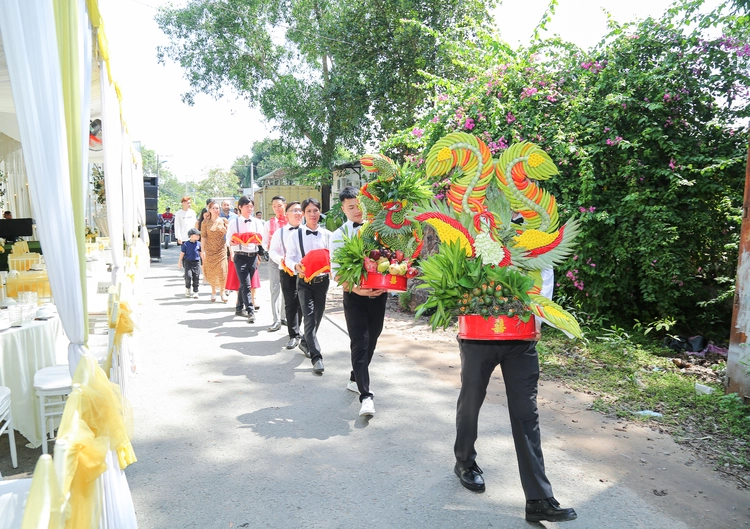
The Ăn Hỏi ceremony is one of the most recognizable Vietnamese wedding traditions.

On this day, the groom’s family travels to the bride’s home carrying beautifully decorated red lacquer trays filled with symbolic gifts. These gifts are traditionally carried by unmarried young men, while unmarried women from the bride’s family receive them.

Common engagement gifts include:

  • Betel leaves and areca nuts
  • Tea
  • Wine
  • Fresh fruits
  • Cakes
  • Candies
  • Roasted pig (in many regions)
  • Jewelry for the bride

The families exchange greetings, the couple receives blessings, and the bride formally accepts the gifts. In many modern weddings, rings are also exchanged during this ceremony.

2.3. Lễ Cưới (Wedding Ceremony)

The wedding ceremony itself usually begins at the bride’s home.

The groom and his family arrive to officially welcome the bride into the groom’s family. After greetings and introductions, the couple performs an ancestral offering ceremony by lighting incense and praying before the family altar.

This ritual expresses gratitude to previous generations and asks for blessings for the couple’s future marriage.

The bride then leaves her family home with the groom and travels to his house, where another ancestral ceremony is often held.

3. Traditional Wedding Attire

One of the most beautiful aspects of a Vietnamese wedding is the traditional clothing.

The Bride’s Áo Dài

Many Vietnamese brides wear a stunning áo dài, a long silk tunic worn over matching trousers. Wedding áo dài are often made in red, gold, white, or pink and feature elegant embroidery with dragons, phoenixes, flowers, or other traditional patterns.

Some brides change into a Western-style white wedding gown for the reception while wearing the áo dài during the traditional ceremonies.

The Groom’s Attire

The groom may wear a matching traditional áo dài with a khăn đóng (traditional headdress), especially during the engagement and tea ceremonies. Many also change into a formal suit or tuxedo for the wedding banquet.

4. Symbolic Wedding Colors

Colors play an important role in Vietnamese weddings.

The most common colors include:

  • Red – happiness, luck, and prosperity
  • Gold – wealth and success
  • Pink – romance and joy
  • White – commonly used for modern wedding gowns

Red is considered especially lucky and appears throughout wedding decorations, envelopes, flowers, and clothing.

5. The Wedding Banquet

After the traditional ceremonies, guests gather for a large wedding reception.

Vietnamese wedding banquets are known for their generous menus and lively atmosphere. Depending on the family’s preferences and budget, receptions may be held at hotels, restaurants, banquet halls, or outdoor venues.

A typical banquet includes multiple courses, such as:

  • Appetizers
  • Seafood dishes
  • Chicken
  • Beef
  • Hot pot
  • Fried rice
  • Desserts
  • Fresh fruit

Guests enjoy speeches, live music, dancing, and games before raising glasses to congratulate the newlyweds.

6. Lucky Money and Wedding Gifts

Instead of bringing household gifts, most guests give cash in decorative red envelopes.

The amount varies depending on the guest’s relationship with the couple and local customs. Cash gifts help newlyweds begin their married life and often contribute to wedding expenses.

Some close relatives may also present gold jewelry or valuable keepsakes.

7. Regional Differences

Although Vietnamese weddings share many traditions, customs vary across the country.

Northern Vietnam

Northern weddings tend to emphasize traditional rituals and formal family ceremonies. Customs are often more conservative and closely follow long-established traditions.

Central Vietnam

Central Vietnam often features simpler ceremonies while maintaining strong ancestral traditions. Local customs differ from province to province.

Southern Vietnam

Southern weddings are generally more relaxed and colorful. Wedding receptions are often larger, with lively entertainment and modern influences blended into traditional ceremonies.

8. Modern Vietnamese Weddings

Today’s Vietnamese weddings often combine traditional customs with contemporary styles.

Modern celebrations may include:

  • Professional wedding photography
  • Destination weddings
  • Outdoor ceremonies
  • Wedding planners
  • Live bands or DJs
  • Personalized decorations
  • Western wedding cakes
  • First dances

Even with these modern additions, many couples continue to include ancestral offerings and family ceremonies as a way of honoring their heritage.

9. Wedding Etiquette for Foreign Guests

If you’re invited to a Vietnamese wedding, keeping a few customs in mind will help you make a good impression.

  • Dress neatly or wear formal attire.
  • Arrive on time.
  • Bring a red envelope containing a cash gift.
  • Congratulate the couple and their families.
  • Participate in the wedding toast.
  • Be respectful during traditional ceremonies.
  • Enjoy the meal and celebration with the other guests.

Vietnamese weddings are known for their warm hospitality, so visitors are usually welcomed with great kindness.

10. Interesting Facts About Vietnamese Weddings

  • Most traditional ceremonies take place at the family home before the reception.
  • Ancestor worship remains an important part of many weddings.
  • Red is considered the luckiest wedding color.
  • Cash gifts are more common than physical presents.
  • Wedding banquets often include six to ten courses.
  • Couples frequently have pre-wedding photo shoots months before the ceremony.
  • Many weddings now combine traditional áo dài with Western wedding dresses.

Final Thoughts

A Vietnamese wedding is a beautiful blend of tradition, family values, and joyful celebration. From the meaningful engagement ceremony and ancestral offerings to the elegant áo dài and festive banquet, every custom reflects the importance of love, respect, and unity.

While modern weddings continue to evolve, the traditions that have been passed down through generations remain at the heart of one of Vietnam’s most cherished cultural celebrations.

The Vietnamese zodiac is an important part of the country’s culture and traditions. Based on the lunar calendar, it consists of a 12-year cycle in which each year is represented by a different animal. Many Vietnamese people still associate the zodiac with personality traits, good fortune, and important life events.

Although it shares many similarities with the Chinese zodiac, the Vietnamese zodiac has its own unique features, most notably the Year of the Cat instead of the Year of the Rabbit. Learning about the zodiac offers an interesting glimpse into Vietnam’s rich cultural heritage.

1. What Is the Vietnamese Zodiac?

The Vietnamese zodiac is a 12-year cycle in which each year is represented by a different animal. According to traditional beliefs, the animal associated with the year of a person’s birth influences their personality, strengths, weaknesses, and even compatibility with others.

The zodiac follows the lunar calendar, meaning the zodiac year begins on Lunar New Year’s Day (Tết) rather than January 1. Because the date of Tết changes every year, people born in January or early February should check the lunar calendar to determine their correct zodiac sign.

The Vietnamese zodiac has been passed down for generations and remains an important part of traditional festivals, fortune-telling, and family customs.

2. The 12 Vietnamese Zodiac Animals

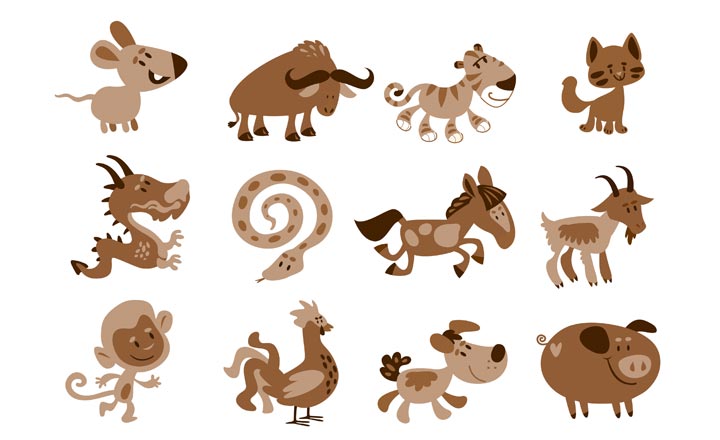
The twelve zodiac animals are:

  1. Rat ()
  2. Buffalo (Sửu)
  3. Tiger (Dần)
  4. Cat (Mão)
  5. Dragon (Thìn)
  6. Snake (Tỵ)
  7. Horse (Ngọ)
  8. Goat (Mùi)
  9. Monkey (Thân)
  10. Rooster (Dậu)
  11. Dog (Tuất)
  12. Pig (Hợi)

After the twelfth year, the cycle begins again with the Rat.

3. The Difference Between the Vietnamese and Chinese Zodiac

The Vietnamese zodiac is almost identical to the Chinese zodiac except for one famous difference:

  • Vietnam: Cat
  • China: Rabbit

Why does Vietnam use the Cat instead of the Rabbit?

There is no universally accepted explanation, but several theories exist.

One popular explanation involves language. The Chinese word for rabbit (mao) sounds similar to the Vietnamese word for cat (mèo), which may have led to the substitution over time.

Another theory suggests that rabbits were relatively uncommon in ancient Vietnam, while cats played an important role in protecting rice fields and food storage from rats. Because cats were familiar and highly valued by farming communities, they naturally became part of Vietnamese folklore.

Today, the Year of the Cat is one of the most distinctive features of Vietnamese culture.

4. What Each Zodiac Animal Represents

Each animal is believed to have its own personality traits.

Rat

People born in the Year of the Rat are often considered intelligent, resourceful, adaptable, and quick thinkers. They are believed to perform well in business and enjoy solving problems.

Buffalo

The Buffalo symbolizes diligence, honesty, patience, and perseverance. People born under this sign are often viewed as dependable workers who value responsibility and family.

Tiger

The Tiger represents courage, confidence, and leadership. Tiger-born individuals are often adventurous, energetic, and willing to take risks.

Cat

The Cat symbolizes gentleness, elegance, intelligence, and diplomacy. People born in the Year of the Cat are believed to be calm, compassionate, and good at maintaining harmonious relationships.

Dragon

The Dragon is associated with power, success, wisdom, and good fortune. It is one of the most respected zodiac signs and is often linked with ambition and strong leadership.

Snake

The Snake represents wisdom, intuition, patience, and careful planning. Snake-born individuals are often thoughtful and analytical.

Horse

People born in the Year of the Horse are believed to be energetic, independent, optimistic, and sociable. They often enjoy travel and new experiences.

Goat

The Goat symbolizes kindness, creativity, and compassion. Goat-born individuals are often artistic and appreciate peaceful surroundings.

Monkey

The Monkey is associated with intelligence, curiosity, humor, and creativity. These individuals are often excellent problem-solvers with lively personalities.

Rooster

The Rooster represents confidence, honesty, organization, and hard work. People born under this sign often enjoy planning and paying attention to detail.

Dog

The Dog symbolizes loyalty, fairness, honesty, and protectiveness. Dog-born people are often trusted friends who value justice and strong relationships.

Pig

The Pig represents generosity, sincerity, and good fortune. People born in the Year of the Pig are often considered warm-hearted, patient, and optimistic.

5. The Five Elements

In addition to the twelve animals, the Vietnamese zodiac also incorporates the Five Elements, which further shape a person’s characteristics.

The five elements are:

  • Wood
  • Fire
  • Earth
  • Metal
  • Water

Each animal sign combines with one of these elements, creating a complete cycle that repeats every 60 years.

For example, someone may be born in the Year of the Wood Dragon, Fire Horse, or Metal Buffalo. Traditional astrology suggests that both the animal sign and the element influence personality and destiny.

6. The Zodiac and Vietnamese Culture

The zodiac continues to play an important role in many Vietnamese traditions.

Lunar New Year (Tết)

Each Lunar New Year is associated with one of the twelve zodiac animals. Decorations, greeting cards, calendars, and festive ornaments often feature that year’s animal.

Many families display artwork or figurines representing the zodiac sign to welcome good luck and prosperity.

Choosing Important Dates

Some Vietnamese families consult the lunar calendar and zodiac when selecting dates for:

  • Weddings
  • Housewarming ceremonies
  • Business openings
  • Groundbreaking ceremonies
  • Major family celebrations

A favorable zodiac day is traditionally believed to bring greater success and harmony.

Naming Children

Although less common today, some families consider the zodiac when choosing names or predicting a child’s future personality.

Compatibility

Traditional beliefs also suggest that certain zodiac animals are more compatible than others in friendships, business partnerships, and marriage.

While many modern Vietnamese view these ideas as cultural traditions rather than strict rules, zodiac compatibility remains a popular topic of conversation.

7. Zodiac Animals in Vietnamese Art and Festivals

The zodiac appears throughout Vietnamese culture.

You’ll find zodiac animals decorating:

  • Tet markets
  • Traditional paintings
  • Folk art
  • Pottery
  • Calligraphy
  • Temple decorations
  • Souvenir shops
  • Postage stamps

During Tet, giant sculptures of the year’s zodiac animal are often displayed in flower festivals and city parks across Vietnam.

These colorful displays have become favorite photo spots for both locals and tourists.

8. Should Travelers Learn About the Vietnamese Zodiac?

Absolutely.

Learning about the Vietnamese zodiac helps visitors better understand local traditions and conversations during Tet and other festivals.

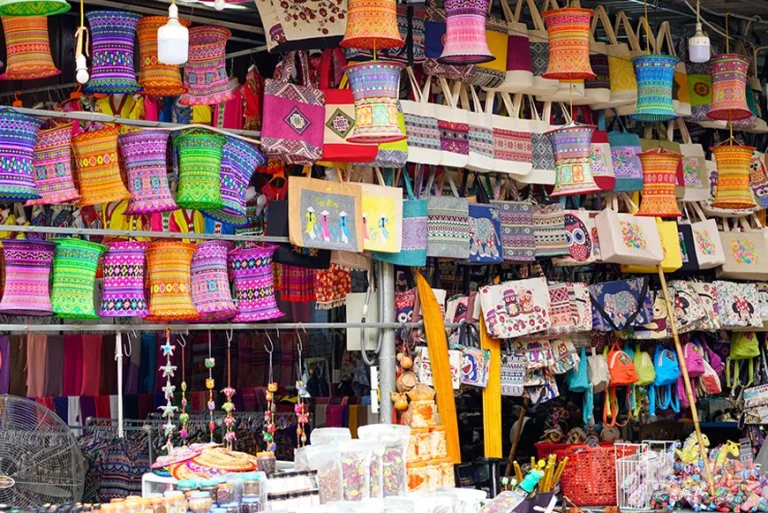
Many souvenir shops sell zodiac-themed artwork, lucky charms, jewelry, and handcrafted decorations. Knowing your Vietnamese zodiac sign can also make your travel experience more engaging, especially when visiting temples, museums, or cultural performances.

Even if you don’t personally believe in astrology, the zodiac remains an important part of Vietnam’s cultural heritage.

9. Fun Facts About the Vietnamese Zodiac

  • Vietnam celebrates the Year of the Cat, not the Rabbit.
  • The zodiac follows the lunar calendar, not the Gregorian calendar.
  • The complete zodiac cycle repeats every 12 years.
  • When combined with the Five Elements, the full cycle repeats every 60 years.
  • Zodiac animals are especially visible during Tet celebrations.
  • Many Vietnamese people still consult the zodiac for important life events and lucky dates.

Final Thoughts

The Vietnamese zodiac is much more than a collection of animal signs—it reflects centuries of tradition, folklore, and cultural beliefs that continue to shape Vietnamese life today. From the unique Year of the Cat to the influence of the Five Elements, the zodiac offers a fascinating glimpse into Vietnam’s heritage. Whether you’re visiting during Tet or simply exploring the country’s rich culture, understanding the Vietnamese zodiac can add a deeper appreciation for the customs and traditions that make Vietnam so unique.

Bringing home a souvenir is one of the best ways to remember your trip to Vietnam. From handcrafted goods and traditional clothing to locally produced coffee and delicious snacks, Vietnam offers a wide variety of unique gifts that reflect its rich culture and craftsmanship.

Many souvenirs are handmade by local artisans, making them meaningful keepsakes while also supporting traditional industries. Here are ten of the best Vietnam souvenirs that foreign tourists should consider buying in 2026.

1. Vietnamese Coffee

Vietnam is the world’s second-largest coffee producer and is famous for its bold, rich robusta beans. Coffee is one of the country’s most popular souvenirs because it’s lightweight, affordable, and easy to pack.

Visitors can choose from ground coffee, whole beans, or instant Vietnamese coffee from well-known brands like Trung Nguyên Legend, Highlands Coffee, and King Coffee. Specialty beans from Da Lat and Buon Ma Thuot are also excellent choices for coffee enthusiasts.

For an authentic experience at home, consider purchasing a traditional stainless steel phin coffee filter along with your coffee.

2. Non La (Vietnamese Conical Hat)

The Nón Lá, or Vietnamese conical hat, is one of the country’s most recognizable cultural symbols.

Made from palm leaves and bamboo, these lightweight hats have been worn by Vietnamese farmers for centuries to protect against both sun and rain. Today, they are popular souvenirs for travelers looking for an iconic reminder of Vietnam.

Many markets also sell hand-painted or embroidered versions that make attractive decorative pieces.

3. Ao Dai

The Áo Dài is Vietnam’s elegant traditional outfit, known for its long flowing tunic worn over trousers.

Many visitors purchase ready-made versions or have one custom-tailored during their trip, especially in cities like Hoi An, where skilled tailors can create a personalized áo dài in just a few days.

Even if you don’t plan to wear it regularly, an áo dài is a beautiful keepsake representing Vietnamese culture and craftsmanship.

4. Vietnamese Lacquerware

Vietnamese lacquerware is admired around the world for its beautiful finish and intricate hand-painted designs.

Artisans create bowls, trays, jewelry boxes, vases, coasters, and decorative artwork using multiple layers of lacquer applied by hand.

Many pieces feature traditional Vietnamese landscapes, lotus flowers, cranes, or scenes from daily life, making them both practical and artistic souvenirs.

5. Silk Products

Vietnam produces high-quality silk that is both luxurious and surprisingly affordable.

Popular silk souvenirs include:

  • Scarves
  • Ties
  • Dresses
  • Pajamas
  • Handbags
  • Pillowcases

Hoi An is especially famous for its silk shops and tailor-made clothing, while Hanoi also offers many reputable silk boutiques.

When shopping, look for stores that clearly label genuine silk to ensure you’re purchasing an authentic product.

6. Hand-Embroidered Crafts

Vietnam’s skilled artisans produce beautiful hand-embroidered products featuring flowers, landscapes, birds, and traditional village scenes.

Popular items include:

  • Table runners
  • Pillow covers
  • Handbags
  • Wall art
  • Handkerchiefs

Each piece showcases remarkable attention to detail and often takes many hours to complete, making these gifts both meaningful and unique.

7. Bamboo and Rattan Handicrafts

Eco-friendly bamboo and rattan products have become increasingly popular among international visitors.

Local artisans create a wide range of handcrafted items such as:

  • Baskets
  • Lamps
  • Trays
  • Storage boxes
  • Coasters
  • Decorative home accessories

These products combine traditional craftsmanship with sustainable materials, making them attractive souvenirs for environmentally conscious travelers.

8. Vietnamese Ceramics

Vietnam has a long tradition of pottery and ceramic production dating back hundreds of years.

Ceramic villages such as Bat Trang near Hanoi produce beautifully crafted bowls, teacups, plates, vases, and tea sets decorated with classic blue-and-white patterns or colorful modern designs.

Many shops also sell carefully packaged ceramics suitable for international travel.

9. Fish Sauce and Local Food Products

Food lovers may enjoy bringing home some of Vietnam’s most famous flavors.

Popular edible souvenirs include:

  • Premium fish sauce from Phu Quoc
  • Vietnamese spices
  • Cinnamon
  • Star anise
  • Pepper
  • Green tea
  • Lotus tea
  • Dried tropical fruits

These products allow visitors to recreate authentic Vietnamese dishes long after returning home.

Be sure to check your country’s customs regulations before packing liquid food products like fish sauce.

10. Dong Ho Folk Paintings

Dong Ho paintings are one of Vietnam’s oldest forms of traditional folk art.

Originally created using natural pigments and woodblock printing techniques, these colorful artworks often depict rural life, festivals, animals, and symbols of prosperity.

Today, visitors can purchase both traditional and modern versions that make meaningful cultural souvenirs or decorative pieces for the home.

Where to Buy Souvenirs in Vietnam

Excellent places to shop include:

  • Ben Thanh Market (Ho Chi Minh City)
  • Dong Xuan Market (Hanoi)
  • Hoi An Ancient Town
  • Bat Trang Ceramic Village
  • Local night markets
  • Airport duty-free shops
  • Artisan boutiques
  • Traditional craft villages

Shopping at local markets often allows you to interact directly with artisans and support small family businesses.

Tips for Buying Souvenirs

To make your shopping experience easier, keep these tips in mind:

  • Compare prices before making large purchases.
  • Bargaining is common in traditional markets but less common in fixed-price stores.
  • Check quality carefully, especially for silk and handmade items.
  • Pack fragile souvenirs securely or ask the shop to wrap them.
  • Keep receipts for valuable purchases.
  • Verify customs regulations for food products before traveling home.

Final Thoughts

Vietnam offers an incredible selection of souvenirs that reflect the country’s rich culture, skilled craftsmanship, and culinary traditions. From aromatic coffee and elegant silk products to handmade ceramics and traditional artwork, these unique gifts make wonderful reminders of your journey. No matter where you travel in Vietnam, you’ll find memorable souvenirs that let you take a small piece of the country’s charm home with you.

The War Remnants Museum is one of the most visited and thought-provoking museums in Vietnam. Located in the heart of Ho Chi Minh City, it offers visitors a deeper understanding of the Vietnam War and its lasting impact on the country and its people.

Through photographs, military equipment, historical documents, and personal stories, the museum presents a powerful look at one of the most significant periods in Vietnam’s modern history. Whether you’re a history enthusiast or simply want to learn more about Vietnam’s past, the War Remnants Museum is an essential stop during your visit to Ho Chi Minh City.

1. History of the War Remnants Museum

The War Remnants Museum first opened to the public in 1975, shortly after the end of the Vietnam War. Originally established to preserve historical materials from the conflict, the museum has expanded significantly over the decades.

Today, it houses thousands of photographs, artifacts, military vehicles, documents, and multimedia exhibits that help explain the events of the war and its long-term effects. It has become one of Vietnam’s most important historical museums, attracting millions of domestic and international visitors each year.

The museum’s mission is not only to preserve history but also to encourage peace by helping visitors understand the human cost of armed conflict.

2. Location and How to Get There

The War Remnants Museum is located in District 3, just a short distance from many of Ho Chi Minh City’s most popular attractions.

Its central location makes it easy to reach by:

  • Taxi
  • Ride-hailing services such as Grab
  • Public bus
  • Walking from nearby landmarks like the Independence Palace or Notre-Dame Cathedral Basilica of Saigon

Many travelers combine the museum with other nearby attractions during a full day of sightseeing in the city center.

3. What You’ll See at the Museum

The museum is spread across several floors, with both indoor and outdoor exhibition areas. Each section explores different aspects of the Vietnam War through photographs, historical records, and preserved artifacts.

The exhibitions are presented in both Vietnamese and English, making them accessible to international visitors.

Outdoor Military Equipment Display

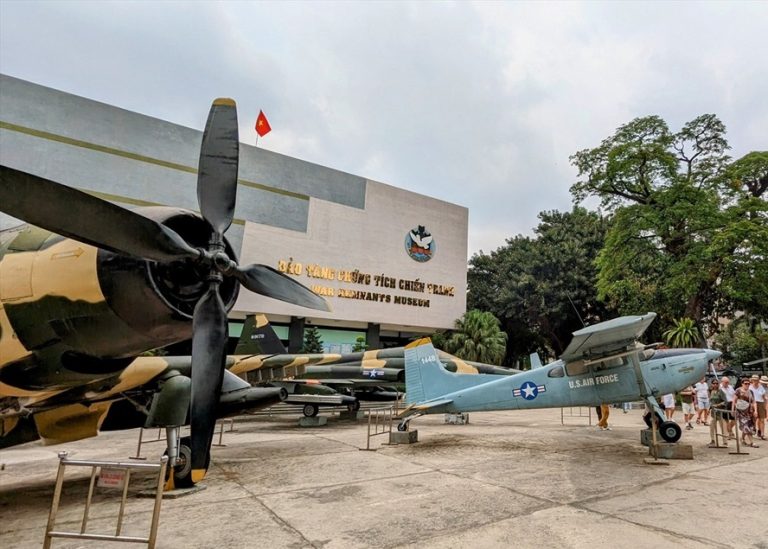
Before entering the museum building, visitors encounter a large collection of military vehicles displayed in the courtyard.

These include:

  • Fighter aircraft
  • Helicopters
  • Tanks
  • Armored vehicles
  • Artillery pieces

These exhibits provide an opportunity to see military equipment used during the conflict and understand the scale of the war.

Historical Photograph Galleries

One of the museum’s most memorable sections features extensive collections of historical photographs.

Many images were taken by international and Vietnamese photojournalists who documented the war firsthand. The photographs capture daily life, battlefield conditions, humanitarian efforts, and the experiences of civilians during the conflict.

Several exhibits also honor photographers who lost their lives while reporting from Vietnam.

Documentary Exhibits

Throughout the museum, visitors can explore collections of newspaper articles, official documents, maps, personal letters, and historical timelines.

These exhibits help explain the political background of the war, major military campaigns, and international reactions during different stages of the conflict.

Interactive displays and multimedia presentations provide additional historical context.

Humanitarian Exhibits

Several galleries focus on the long-term humanitarian impact of the Vietnam War.

Visitors learn about the challenges faced by civilians during and after the conflict, including displacement, rebuilding communities, and ongoing recovery efforts.

These exhibitions encourage reflection on the importance of peace and international cooperation.

4. The Museum Experience

A visit to the War Remnants Museum can be an emotional experience. The exhibitions address difficult historical events and present personal stories from people affected by the war.

Many visitors describe the museum as educational, moving, and thought-provoking rather than simply a display of military history.

The museum encourages guests to spend time reading the exhibit descriptions and viewing the documentary materials to gain a deeper understanding of Vietnam’s modern history.

5. Visitor Information

The museum is open throughout the week, making it easy to include in almost any travel itinerary.

Most visitors spend between one and three hours exploring the exhibitions, although history enthusiasts may choose to stay longer.

A modest admission fee makes it one of the most affordable museums in Ho Chi Minh City.

Photography is generally allowed in many public areas, but visitors should always follow posted guidelines and respect any restrictions inside specific galleries.

6. Tips for Visiting

To make the most of your visit, consider the following tips:

  • Arrive early in the morning to avoid larger crowds.
  • Allow at least two hours to explore the exhibits comfortably.
  • Wear comfortable shoes, as you’ll be walking through multiple floors and outdoor displays.
  • Read the exhibit descriptions to better understand the historical context.
  • Bring water, especially during Ho Chi Minh City’s hot weather.
  • Visit nearby attractions such as Independence Palace or Ben Thanh Market afterward to complete your day.

7. Nearby Attractions

Because of its central location, the museum is close to several of Ho Chi Minh City’s most famous landmarks.

Popular nearby attractions include:

  • Independence Palace
  • Notre-Dame Cathedral Basilica of Saigon
  • Saigon Central Post Office
  • Book Street
  • Ben Thanh Market
  • Tao Dan Park

Many visitors explore several of these attractions on the same day.

8. Why Visit the War Remnants Museum?

The War Remnants Museum offers much more than historical artifacts. It provides valuable insight into the experiences of people who lived through one of the most significant conflicts of the twentieth century.

By combining photographs, documents, preserved equipment, and personal stories, the museum helps visitors understand both the historical events and the lasting human impact of war.

It is widely regarded as one of the most meaningful museums in Vietnam and continues to educate millions of visitors from around the world.

Final Thoughts

The War Remnants Museum is an essential destination for anyone interested in Vietnam’s history. Its carefully curated exhibitions provide a powerful and educational perspective on the Vietnam War while promoting reflection on the importance of peace. A visit to this museum offers a deeper appreciation of Vietnam’s resilience and serves as a meaningful addition to any Ho Chi Minh City itinerary.

Vietnam is famous for its stunning beaches, towering mountains, and vibrant cities, but its waterfalls are equally impressive. Hidden within lush national parks, dense forests, and remote highlands, these natural wonders offer breathtaking scenery and unforgettable outdoor adventures.

Some waterfalls cascade down dramatic cliffs into crystal-clear pools, while others stretch hundreds of feet through tropical landscapes surrounded by rich biodiversity. Here are ten of the best waterfalls in Vietnam that deserve a place on your travel itinerary.

1. Ban Gioc Waterfall (Cao Bang)

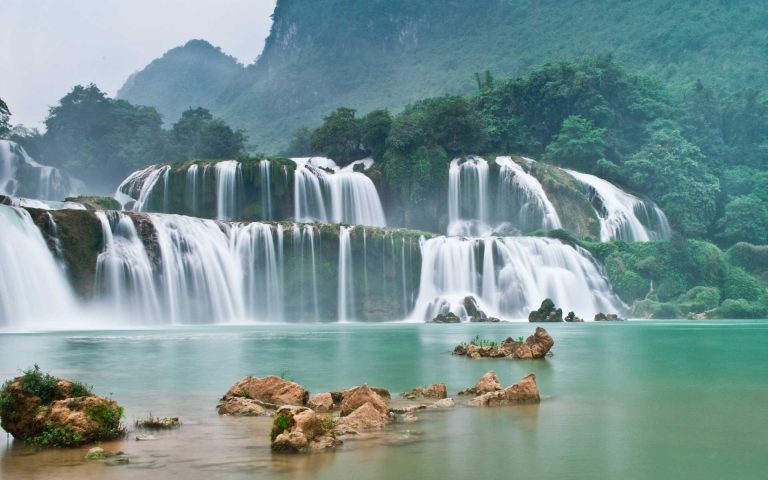
Ban Gioc Waterfall is widely regarded as the most beautiful waterfall in Vietnam and one of the largest natural waterfalls in Southeast Asia. Located on the border between Vietnam and China in Cao Bang Province, this magnificent waterfall stretches more than 300 meters (984 feet) across multiple tiers.

Surrounded by limestone mountains, emerald rice fields, and bamboo forests, Ban Gioc creates one of the country’s most spectacular landscapes. Visitors can admire the falls from viewing platforms or take a bamboo raft ride to get closer to the cascading water.

The best time to visit is from September to October, when the waterfall reaches its fullest after the rainy season and the surrounding rice fields turn a brilliant golden color.

2. Pongour Waterfall (Lam Dong)

Often called the “Seven-Level Waterfall,” Pongour Waterfall is one of the largest and most impressive waterfalls in Vietnam’s Central Highlands.

Unlike narrow waterfalls that plunge vertically, Pongour flows over a series of wide rock terraces, creating a beautiful curtain of water nearly 40 meters (131 feet) high and over 100 meters (328 feet) wide.

Located about 50 kilometers (31 miles) from Da Lat, the waterfall is surrounded by lush forests and landscaped picnic areas, making it a popular destination for both locals and tourists.

During the rainy season, the powerful flow creates an unforgettable sight, while the dry season allows visitors to explore the rocky formations more easily.

3. Datanla Waterfall (Da Lat)

Just a short drive from downtown Da Lat, Datanla Waterfall is one of the city’s most popular natural attractions.

The waterfall itself is beautiful, but what makes Datanla especially famous is the variety of adventure activities available. Visitors can ride an alpine coaster through the forest, rappel down the waterfall with professional guides, or enjoy scenic walking trails.

The combination of exciting outdoor activities and easy accessibility makes Datanla a favorite destination for families and adventure seekers alike.

4. Elephant Waterfall (Lam Dong)

Elephant Waterfall, locally known as Thác Voi, is one of the most powerful waterfalls near Da Lat.

Water crashes dramatically over massive volcanic rock formations before disappearing into a mist-filled gorge below. The thunderous sound of the falls can be heard long before visitors reach the viewing area.

A steep pathway leads adventurous travelers closer to the base, where they can appreciate the waterfall’s immense power. Nearby Linh An Pagoda and its giant Lady Buddha statue also make excellent additions to the visit.

5. Dray Nur Waterfall (Dak Lak)

Located in Dak Lak Province, Dray Nur Waterfall is one of the highlights of Vietnam’s Central Highlands.

The waterfall spans approximately 250 meters (820 feet) across the Serepok River and plunges nearly 30 meters (98 feet) into a wide basin below.

Dense jungle surrounds the falls, creating a peaceful atmosphere ideal for nature lovers and photographers. Behind parts of the waterfall lies a natural cave that visitors can safely explore during favorable conditions.

Dray Nur is often paired with nearby Dray Sap Waterfall for a full day of sightseeing.

6. Dray Sap Waterfall (Dak Lak)

Just a few kilometers from Dray Nur, Dray Sap Waterfall offers another impressive display of nature’s beauty.

Its name translates to “Smoke Waterfall” because the powerful spray creates clouds of mist that resemble rising smoke.

Walking trails, suspension bridges, and forest paths allow visitors to explore the surrounding park while enjoying numerous viewpoints.

The lush greenery, dramatic cliffs, and roaring water make Dray Sap one of the most photogenic waterfalls in Vietnam.

7. Silver Waterfall (Lao Cai)

Silver Waterfall, or Thác Bạc, is located about 12 kilometers (7.5 miles) from Sapa along the scenic road leading toward O Quy Ho Pass.

Water tumbles nearly 200 meters (656 feet) down the mountainside, creating a striking white stream against the surrounding green forests.

Visitors can climb stone staircases to several viewing platforms for panoramic views of both the waterfall and the Hoang Lien Son mountain range.

Because of its convenient location, Silver Waterfall is often included in Sapa sightseeing tours.

8. Love Waterfall (Lao Cai)

Hidden inside Hoang Lien National Park, Love Waterfall is one of the most romantic natural attractions in northern Vietnam.

Reaching the waterfall requires a pleasant hike through bamboo forests, streams, and lush mountain scenery. The peaceful trail is part of the experience and attracts hikers looking to escape the busy streets of Sapa.

The waterfall itself drops about 100 meters (328 feet) into a clear pool surrounded by dense vegetation, creating a serene atmosphere perfect for nature photography.

According to local legend, the waterfall received its name after a fairy fell in love with a young flute player she encountered here.

9. Yang Bay Waterfall (Khanh Hoa)

Located approximately 45 kilometers (28 miles) from Nha Trang, Yang Bay Waterfall is part of a beautiful eco-tourism park nestled in the mountains.

Unlike some of Vietnam’s more remote waterfalls, Yang Bay offers a wide range of family-friendly activities, including hot springs, animal shows, cultural performances, and swimming areas.

The waterfall flows through a tropical forest filled with colorful flowers and towering trees, making it a relaxing destination for visitors of all ages.

Its convenient location makes it an excellent day trip from Nha Trang.

10. K50 Waterfall (Gia Lai)

For travelers seeking an off-the-beaten-path adventure, K50 Waterfall is one of Vietnam’s hidden gems.

Located deep inside Kon Chu Rang Nature Reserve in Gia Lai Province, the waterfall can only be reached after several hours of trekking through dense rainforest.

The reward is spectacular. Water plunges approximately 50 meters (164 feet) over a massive cliff into an untouched valley below.

Behind the waterfall lies a large cave where thousands of swallows nest, creating a truly unique natural setting. Because of the challenging hike, K50 remains relatively uncrowded and offers an authentic wilderness experience.

Tips for Visiting Waterfalls in Vietnam

To enjoy Vietnam’s waterfalls safely and comfortably, keep these travel tips in mind:

  • Visit during or just after the rainy season for the most impressive water flow.
  • Wear comfortable hiking shoes with good traction.
  • Bring insect repellent, sunscreen, and drinking water.
  • Check weather conditions before visiting remote waterfalls.
  • Follow marked trails and safety signs.
  • Avoid swimming in areas with strong currents unless designated as safe.
  • Help protect nature by taking all trash with you.

Final Thoughts

Vietnam’s waterfalls showcase another side of the country’s incredible natural beauty beyond its famous beaches and cities. From the world-renowned Ban Gioc Waterfall to hidden gems like K50 and Love Waterfall, each destination offers its own unique scenery and unforgettable experiences.

Adding a few of these spectacular waterfalls to your Vietnam itinerary is a wonderful way to discover the country’s diverse landscapes and enjoy the peaceful beauty of nature.

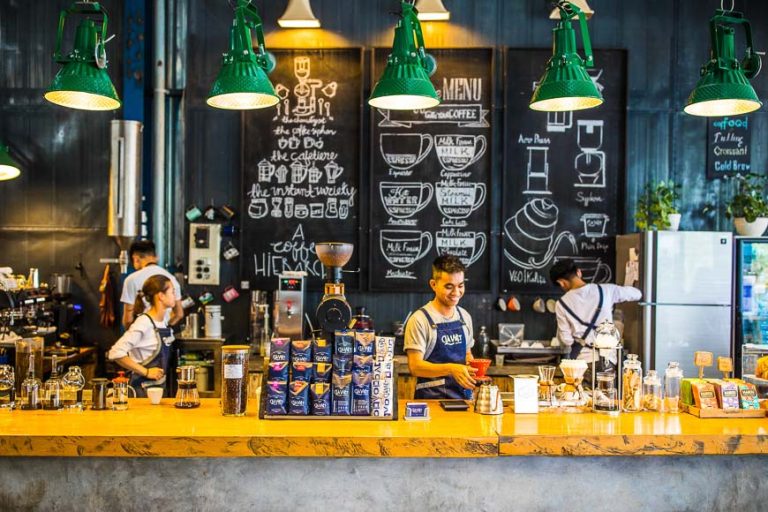
Vietnam is one of the world’s largest coffee-producing countries, but it’s the country’s vibrant café culture that truly captures the hearts of visitors. If you’re planning a trip in 2026, these are ten of the most popular coffee shops and coffee brands that deserve a spot on your itinerary.

1. Café Giảng (Hanoi)

No list of Vietnamese coffee shops would be complete without Café Giảng, the birthplace of Vietnam’s famous egg coffee (cà phê trứng). Founded in 1946, this historic café has become one of Hanoi’s most iconic attractions.

Hidden down a narrow alley in the Old Quarter, Café Giảng serves a rich blend of robusta coffee topped with a silky mixture of whipped egg yolk and sweetened condensed milk. The result is a creamy drink that resembles a coffee-flavored dessert.

Despite its worldwide fame, the café has maintained its traditional atmosphere, making it a must-visit destination for coffee lovers.

2. Cộng Cà Phê

Cộng Cà Phê has grown into one of Vietnam’s most recognizable coffee chains, with locations in Hanoi, Ho Chi Minh City, Da Nang, Hoi An, and many other cities.

Inspired by Vietnam’s post-war era, each café features vintage military-style décor, retro furniture, and nostalgic decorations. While the atmosphere attracts many visitors, the menu is equally popular.

Its signature Coconut Coffee, made with coconut cream blended over ice and topped with Vietnamese coffee, has become one of the country’s most famous coffee drinks.

3. Highlands Coffee

Founded in Vietnam in 1999, Highlands Coffee is one of the country’s largest domestic coffee chains.

The menu combines traditional Vietnamese coffee with modern espresso-based beverages, making it popular with both locals and international visitors. Signature drinks include Vietnamese iced coffee (Cà Phê Sữa Đá), Freeze blended beverages, and rich phin-brewed coffee.

With hundreds of locations nationwide, Highlands Coffee is an easy and reliable stop during your travels.

4. Trung Nguyên Legend

Trung Nguyên Legend is more than just a coffee shop—it’s one of Vietnam’s most influential coffee brands.

The cafés focus on premium Vietnamese coffee beans, particularly robusta, while also offering carefully crafted espresso drinks and specialty brews.

Many locations feature elegant interiors designed for relaxation or business meetings, and visitors can also purchase packaged coffee to take home as souvenirs.

5. Phúc Long Coffee & Tea

Originally famous for premium tea, Phúc Long has expanded into one of Vietnam’s favorite café chains.

The menu includes Vietnamese coffee, espresso drinks, milk tea, fruit tea, and fresh pastries. Its bright, modern cafés make popular meeting spots for students, professionals, and families.

The combination of quality drinks and comfortable seating has helped Phúc Long become a household name across Vietnam.

6. XLIII Specialty Coffee (Ho Chi Minh City)

For serious coffee enthusiasts, XLIII Specialty Coffee offers one of Vietnam’s finest specialty coffee experiences.

Rather than focusing on sweet coffee drinks, the café highlights carefully sourced single-origin beans, precise brewing techniques, and guided coffee tastings.

Minimalist interiors and knowledgeable baristas create an experience that appeals to travelers interested in learning more about specialty coffee and bean origins.

7. 43 Factory Coffee Roaster (Da Nang)

43 Factory Coffee Roaster has become one of Da Nang’s highest-rated specialty cafés.

Known for its striking modern architecture and beautiful koi pond, the café roasts its own beans and serves a wide selection of pour-over coffee, espresso drinks, and seasonal specialties.

Its spacious design, excellent Wi-Fi, and peaceful atmosphere also make it a favorite among digital nomads and remote workers visiting central Vietnam.

8. The Note Coffee (Hanoi)

The Note Coffee offers one of Hanoi’s most unique café experiences.

Every wall, table, and ceiling is covered with colorful handwritten notes left by visitors from around the world. Guests are encouraged to leave their own messages after enjoying a drink.

Besides its memorable décor, the café serves excellent coconut coffee, egg coffee, smoothies, and traditional Vietnamese coffee while overlooking Hoan Kiem Lake.

9. Loading T Café (Hanoi)

Located inside a beautifully restored French colonial villa, Loading T Café combines historic charm with exceptional coffee.

The café is especially known for its cinnamon egg coffee, homemade cakes, and quiet atmosphere that feels far removed from Hanoi’s busy streets.

Its vintage furniture and elegant architecture make it a favorite stop for photographers and travelers looking for a relaxing afternoon break.

10. Katinat Coffee & Tea House

Katinat Coffee & Tea House has rapidly become one of Vietnam’s trendiest café brands, especially among younger customers.

Its stylish interiors, creative seasonal beverages, and premium coffee drinks have made it a popular destination in Ho Chi Minh City, Hanoi, and other major cities.

Alongside traditional Vietnamese coffee, Katinat offers modern lattes, cold brews, fruit teas, and signature specialty drinks that appeal to those looking for a contemporary café experience.

Tips for Visiting Coffee Shops in Vietnam

To make the most of Vietnam’s incredible coffee culture, keep these simple tips in mind:

  • Try traditional Cà Phê Sữa Đá (Vietnamese iced coffee).
  • Don’t miss local specialties like egg coffee, coconut coffee, salt coffee, or yogurt coffee.
  • Visit both historic cafés and modern specialty coffee shops for a well-rounded experience.
  • Bring cash, as some smaller cafés may not accept international credit cards.
  • Take your time—Vietnamese coffee is meant to be enjoyed slowly while relaxing or chatting with friends.

Final Thoughts

Vietnam’s coffee culture is as diverse as the country itself, offering everything from historic cafés serving traditional recipes to modern specialty coffee houses pushing the boundaries of coffee craftsmanship.

These ten coffee shops represent some of the best places to experience Vietnam’s rich coffee heritage in 2026. No matter which city you visit, enjoying a freshly brewed Vietnamese coffee is an experience that shouldn’t be missed.

Have you ever wondered what makes Vietnam such a fascinating country?. In this article, we will uncover some fun facts about Vietnam that will leave you intrigued and excited to explore this captivating country. So, grab a cup of coffee and join us on this journey of discovery!

1. Unique Zodiac System

Vietnam follows a zodiac system similar to the Chinese zodiac, but with one notable difference. Instead of the Year of the Rabbit, Vietnam celebrates the Year of the Cat.

Many explanations exist for this change. One popular theory suggests that the Chinese word for rabbit sounds similar to the Vietnamese word for cat, while another points to the important role cats have traditionally played in protecting rice fields from rats.

The Vietnamese zodiac consists of twelve animals: Rat, Buffalo, Tiger, Cat, Dragon, Snake, Horse, Goat, Monkey, Rooster, Dog, and Pig. Many people still consult zodiac signs when choosing wedding dates, starting businesses, or planning important life events.

2. Crazy Traffic

One of the first things visitors notice in Vietnam is its incredible traffic. Major cities like Hanoi and Ho Chi Minh City are famous for streets packed with millions of motorbikes weaving through intersections.

Crossing the road may seem intimidating at first, but locals recommend walking at a slow, steady pace rather than stopping suddenly. Drivers are accustomed to predicting pedestrians’ movements and will usually navigate around them.

Motorbikes are the preferred mode of transportation because they are affordable, fuel-efficient, and practical for navigating crowded city streets.

3. Country of the World’s Largest Caves

Vietnam is home to Son Doong Cave, recognized as the largest natural cave in the world. Located in Phong Nha–Ke Bang National Park, the cave is so enormous that it contains its own jungle, underground river, and weather system.

Discovered by a local farmer in 1990 and fully explored years later, Son Doong has become one of the world’s most extraordinary adventure travel destinations. Due to conservation efforts, only a limited number of visitors are allowed to enter each year.

The surrounding national park also contains hundreds of other caves, making central Vietnam a paradise for cave explorers.

4. Diverse Ethnolinguistic Groups

Vietnam is home to 54 officially recognized ethnic groups, each with its own customs, traditional clothing, festivals, languages, and cultural heritage.

The Kinh people make up the majority of the population, while ethnic minorities such as the Hmong, Dao, Tay, Thai, Cham, and Khmer contribute to the country’s incredible diversity.

Traveling through Vietnam’s northern mountains or Central Highlands offers opportunities to experience colorful markets, unique handicrafts, and centuries-old traditions that continue today.

5. Largest Cash Note

Vietnam has one of the world’s highest-denomination banknotes used in everyday circulation. The largest note is 500,000 Vietnamese dong (VND), featuring the portrait of President Ho Chi Minh.

Although the number appears enormous, its actual value is much lower when converted into US dollars. As a result, visitors often find themselves carrying what seems like millions of dong while shopping or dining.

Fortunately, digital payments and credit cards are becoming increasingly common in major cities.

6. Fish Sauce Capital

Fish sauce, known as nước mắm, is one of the most important ingredients in Vietnamese cooking. It adds deep umami flavor to everything from noodle soups and marinades to dipping sauces and stir-fries.

The island of Phu Quoc is especially famous for producing premium fish sauce using traditional fermentation methods that have been passed down for generations. Many bottles are exported worldwide and are highly prized by chefs.

For many Vietnamese families, fish sauce is an essential condiment found on nearly every dining table.

7. Rice Production Powerhouse

Rice is the foundation of Vietnamese cuisine and agriculture. Vietnam consistently ranks among the world’s largest rice producers and exporters.

The fertile Mekong Delta in southern Vietnam is often called the country’s “rice bowl” because it produces a significant portion of the nation’s rice harvest.

Rice appears in countless Vietnamese dishes, including steamed rice, rice noodles, rice paper, rice cakes, sticky rice, and desserts. Its importance extends beyond food, shaping Vietnamese traditions, festivals, and rural life.

8. Unique Birthday Celebration

Unlike many Western countries where birthdays are celebrated individually, Vietnamese people traditionally become one year older together during Tet, the Lunar New Year.

Although modern birthday parties have become increasingly popular, many older generations still associate aging with the arrival of Tet rather than the exact date of birth.

Tet remains the most important celebration of the year, bringing families together to honor ancestors and welcome new beginnings.

9. Love for Karaoke

Karaoke is one of Vietnam’s favorite forms of entertainment. Families, friends, and coworkers regularly gather to sing together during birthdays, holidays, weddings, and weekend outings.

Dedicated karaoke venues can be found in nearly every city, while portable speakers make spontaneous singing common in parks, homes, and restaurants.

For Vietnamese people, karaoke is less about singing perfectly and more about having fun and spending time with loved ones.

10. Snake Wine

Snake wine is one of Vietnam’s most unusual traditional beverages. It is typically made by soaking a whole snake—or parts of a snake—in rice wine for several months.

Some people believe the drink offers medicinal benefits, including improved circulation and increased vitality, although scientific evidence supporting these claims is limited.

Today, snake wine is mainly purchased as a cultural curiosity or souvenir rather than an everyday drink.

11. Owning a Car Is a Symbol of Wealth

While cars are becoming more common, owning one in Vietnam is still considered a sign of financial success.

High taxes, registration fees, and urban traffic make cars significantly more expensive than in many other countries. As a result, most Vietnamese families rely on motorbikes for daily transportation.

Because of this, buying a car often represents an important personal milestone.

12. Love for “Number 8”

The number 8 is widely regarded as lucky in many Asian cultures, including Vietnam. It is associated with prosperity, success, and wealth.

Many businesses prefer phone numbers, license plates, addresses, or opening dates that include multiple eights. Some people are even willing to pay premium prices for particularly lucky number combinations.

Although beliefs vary, lucky numbers continue to influence many personal and business decisions.

13. The Love for Football

Football (soccer) is by far the most popular sport in Vietnam. International tournaments, especially the FIFA World Cup, AFC Asian Cup, and Southeast Asian Games, bring millions of fans together.

When the national team wins an important match, city streets often fill with cheering supporters waving Vietnamese flags while riding motorbikes in celebration.

The passion for football unites people of all ages and has become an important part of modern Vietnamese culture.

14. Unique Alphabet

Vietnamese uses the Latin alphabet, making it one of the easiest Asian writing systems for many foreign visitors to recognize.

The modern Vietnamese script, called Quốc Ngữ, uses additional accent marks and tone symbols to represent pronunciation. Since Vietnamese is a tonal language, changing a tone mark can completely alter the meaning of a word.

Although pronunciation takes practice, visitors often find reading street signs and restaurant menus easier than in countries that use non-Latin writing systems.

15. Coffee Culture

Vietnam is one of the world’s largest coffee producers and is especially famous for its robusta beans. Coffee is deeply woven into everyday life, from busy city cafés to quiet neighborhood coffee shops.

Traditional Vietnamese coffee is brewed using a small metal filter called a phin, producing a rich, concentrated drink often served with sweetened condensed milk. Other popular specialties include egg coffee, coconut coffee, yogurt coffee, and salted coffee.

Cafés are more than just places to grab a drink—they’re popular gathering spots for friends, students, remote workers, and families. Experiencing Vietnam’s vibrant coffee culture is a must for any visitor.

In conclusion, Vietnam is a captivating country brimming with fascinating and unique facts that make it a destination not to be missed.. So pack your bags, venture to this beautiful Southeast Asian gem, and immerse yourself in the wonders of Vietnam.