Author

TIN NGUYEN

Browsing

Planning a trip from the United States to Vietnam is easier than ever, thanks to a wide range of international flight options. From bustling cities on the East Coast to major airports on the West Coast, travelers have access to numerous routes that make visiting Vietnam more convenient than ever before.

Choosing the right flight can help you save time, reduce travel costs, and enjoy a more comfortable journey. This guide covers everything you need to know, including direct and connecting flight options, major airports, airlines, average flight times, and practical tips for finding the best airfare before your trip.

1. Are There Direct Flights From the US to Vietnam?

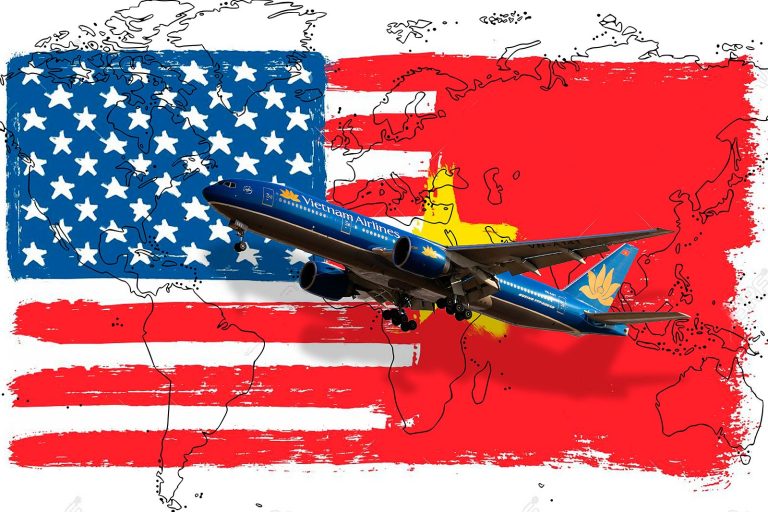
Yes. Currently, there is one direct commercial flight route between the United States and Vietnam. The nonstop service operates between San Francisco International Airport (SFO) and Tan Son Nhat International Airport (SGN) in Ho Chi Minh City.

This route offers the shortest travel time and eliminates the need for international layovers, making it an excellent choice for travelers heading to southern Vietnam. From Ho Chi Minh City, passengers can easily connect to domestic flights serving destinations such as Hanoi, Da Nang, Phu Quoc, Nha Trang, and Hue.

If you live outside the San Francisco Bay Area, you can either book a domestic flight to San Francisco and continue on the nonstop service or choose one of the many one-stop itineraries offered by international airlines.

2. Major Airports in Vietnam

Vietnam has three major international airports that serve travelers arriving from the United States.

Tan Son Nhat International Airport (SGN)

Located in Ho Chi Minh City, Tan Son Nhat is Vietnam’s busiest airport and the arrival point for the country’s only nonstop flight from the United States. It is the ideal gateway to southern Vietnam, including the Mekong Delta, Phu Quoc Island, and Vung Tau.

Noi Bai International Airport (HAN)

Serving the capital city of Hanoi, Noi Bai International Airport is the main gateway to northern Vietnam. It’s a convenient choice for travelers planning to visit Ha Long Bay, Sapa, Ninh Binh, or other attractions in the north.

Da Nang International Airport (DAD)

Da Nang International Airport provides easy access to Central Vietnam. From here, visitors can explore Hoi An Ancient Town, Hue’s Imperial City, My Son Sanctuary, and some of Vietnam’s most beautiful beaches.

3. Airlines Flying From the US to Vietnam

Travelers have two main options when flying from the United States to Vietnam: the nonstop San Francisco–Ho Chi Minh City route or connecting flights operated by major international airlines.

Popular airlines include:

  • Vietnam Airlines (nonstop SFO–SGN and connecting flights)
  • EVA Air (via Taipei)
  • STARLUX Airlines (via Taipei)
  • China Airlines (via Taipei)
  • Korean Air (via Seoul)
  • Asiana Airlines (via Seoul)
  • ANA (via Tokyo)
  • Japan Airlines (via Tokyo)
  • Cathay Pacific (via Hong Kong)
  • Singapore Airlines (via Singapore)
  • United Airlines (partner connections)
  • Delta Air Lines (partner connections)
  • American Airlines (partner connections)

When comparing airlines, consider factors such as baggage allowance, connection times, onboard services, and total travel duration—not just ticket price.

4. Best Departure Cities in the United States

Flights to Vietnam are available from many major US airports.

Popular departure cities include:

  • San Francisco (SFO)
  • Los Angeles (LAX)
  • Seattle (SEA)
  • Dallas (DFW)
  • Houston (IAH)
  • Chicago (ORD)
  • New York (JFK)
  • Washington, D.C. (IAD)
  • Boston (BOS)

Among these airports, San Francisco (SFO) is currently the only city offering a nonstop flight to Vietnam. Travelers departing from other cities typically connect through San Francisco or major international hubs in Asia.

5. Average Flight Time

Travel time varies depending on your departure city and whether you choose a nonstop or connecting flight.

Departure City Typical Travel Time
San Francisco (Nonstop) 16–17 hours
Los Angeles 17–20 hours
Seattle 18–21 hours
Dallas 20–24 hours
Houston 20–24 hours
Chicago 20–25 hours
New York 22–27 hours
Boston 22–29 hours

Long layovers can add several hours to your journey, so always review the full itinerary before booking.

6. Best Time to Book Flights

Booking your flight early is one of the easiest ways to save money.

For most trips, booking two to four months in advance offers competitive fares. If you’re planning to travel during major holidays such as Lunar New Year (Tet), Christmas, or the summer vacation season, it’s best to reserve your tickets even earlier.

Traveling on weekdays—especially Tuesdays and Wednesdays—may also help you find lower fares.

7. Cheapest Time to Fly

Airfares generally tend to be lower during:

  • February (after Tet)
  • March
  • April
  • September
  • October

Prices usually increase during:

  • Lunar New Year (Tet)
  • June through August
  • Thanksgiving
  • Christmas and New Year holidays

If your schedule is flexible, traveling during the shoulder seasons can help you save money while avoiding peak tourist crowds.

8. Choosing the Best Flight Option

If you’re departing from San Francisco, the nonstop flight to Ho Chi Minh City is the fastest and most convenient option.

For travelers leaving from other US cities, one-stop itineraries remain the most common choice. Popular connection airports include:

  • Tokyo
  • Seoul
  • Taipei
  • Hong Kong
  • Singapore
  • Bangkok

When comparing itineraries, look for a balance between price, total travel time, and layover length. A connection of two to four hours is generally comfortable without making the journey unnecessarily long.

9. Tips for Finding Affordable Flights

Finding a great airfare often comes down to planning ahead and staying flexible.

Helpful tips include:

  • Compare fares across multiple airlines.
  • Set price alerts before booking.
  • Travel during off-peak seasons.
  • Be flexible with your departure dates.
  • Check baggage fees before purchasing the lowest fare.
  • Use airline miles or travel rewards if available.
  • Consider nearby departure airports if they offer better prices.

A slightly higher fare may be worth it if it significantly reduces travel time or eliminates long layovers.

10. What to Expect During the Journey

Flights between the United States and Vietnam are long-haul journeys, so it’s important to prepare for the trip.

Pack essentials such as:

  • A neck pillow
  • Noise-canceling headphones
  • A reusable water bottle
  • Chargers and a power bank
  • Comfortable clothing
  • Entertainment for the flight
  • Any necessary medications

Staying hydrated, stretching regularly, and walking around the cabin during long flights can help reduce fatigue and jet lag.

11. Arriving in Vietnam

After landing, passengers will proceed through immigration, collect their checked luggage, and pass through customs before exiting the airport.

Vietnam’s major international airports offer several transportation options, including:

  • Airport taxis
  • Ride-hailing services
  • Public buses
  • Hotel shuttle buses
  • Private airport transfers

Having your hotel address saved on your phone—or written in Vietnamese—can make getting to your accommodation much easier, especially if it’s your first visit.

Final Thoughts

Traveling from the United States to Vietnam is more convenient than ever, with one nonstop flight from San Francisco (SFO) to Ho Chi Minh City (SGN) and plenty of connecting routes available from major US cities. Booking early, comparing airlines, and selecting an itinerary that matches your travel plans can help you enjoy a smoother journey and start your Vietnam adventure with confidence.

Vietnamese cuisine is famous for its fresh herbs, balanced flavors, and incredible variety of street food. While dishes like pho and banh mi often steal the spotlight, Vietnamese dumplings deserve just as much attention.

If you’re planning a food adventure in Vietnam or simply want to learn more about authentic Vietnamese cuisine, these are the eight most popular dumplings you should know.

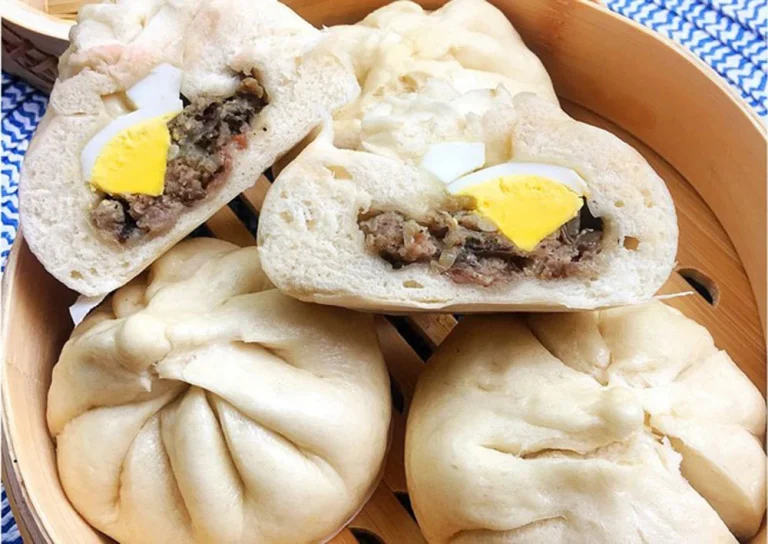
1. Vietnamese Steamed Pork Buns

Vietnamese Steamed Pork Buns, known locally as Bánh Bao, are among the country’s most beloved comfort foods. Inspired by Chinese steamed buns but adapted with Vietnamese flavors, these fluffy white buns are commonly enjoyed for breakfast, lunch, or as a satisfying snack.

The dough is made from wheat flour and yeast, creating a soft, pillowy texture after steaming. Inside, you’ll typically find seasoned ground pork mixed with wood ear mushrooms, glass noodles, shallots, and black pepper. A traditional Vietnamese version often includes half of a boiled quail egg or chicken egg tucked into the center, making each bite even more filling.

Freshly steamed buns have a light sweetness from the dough that pairs perfectly with the savory filling. They are usually eaten on their own, although many people enjoy them with chili sauce or pickled vegetables.

Today, you’ll find bánh bao sold by street vendors, bakeries, convenience stores, and markets throughout Vietnam. Regional variations may include chicken, vegetarian fillings, salted egg yolks, or even sweet custard for dessert versions.

2. Vietnamese Rice Pyramid Dumplings

Bánh Ít is a traditional Vietnamese rice pyramid dumpling recognized by its distinctive pyramid shape wrapped in banana leaves. It is especially popular in Central Vietnam, where it plays an important role in family celebrations, weddings, and ancestor worship ceremonies.

The outer layer is made from glutinous rice flour, creating a chewy and slightly sticky texture. The savory filling usually combines minced pork, shrimp, mung beans, shallots, and black pepper. Some versions feature sweet mung bean paste with coconut instead.

Banana leaves not only hold the dumpling together during steaming but also infuse it with a subtle natural aroma. Once unwrapped, the dumpling reveals its glossy surface and fragrant filling.

Bánh Ít represents prosperity and gratitude in Vietnamese culture. It is commonly prepared during holidays and offered at family altars before being shared among relatives. Although making these dumplings takes patience, the beautiful presentation and delicious taste make the effort worthwhile.

3. Vietnamese Sticky Rice Dumplings

Vietnamese Sticky Rice Dumplings, called Bánh Ú or Bánh Tro depending on the region and preparation, are closely associated with the Dragon Boat Festival and other traditional celebrations.

These dumplings are wrapped tightly in bamboo or banana leaves before being boiled for several hours. The sticky rice becomes incredibly soft while absorbing the subtle fragrance of the leaves.

Savory versions may contain pork belly, salted egg yolk, mung beans, mushrooms, and peanuts. Sweet versions often include mung bean paste or sweetened beans. In southern Vietnam, alkaline sticky rice dumplings are served with sugar or syrup, offering a light and refreshing dessert.

One of the reasons these dumplings are so popular is their satisfying combination of sticky rice and flavorful fillings. They are portable, filling, and can be enjoyed warm or at room temperature, making them perfect for family picnics and holiday gatherings.

4. Vietnamese Crispy Dumpling

Vietnamese Crispy Dumplings, known as Bánh Gối, are a favorite street food throughout northern Vietnam, especially in Hanoi.

Named after their pillow-like shape, these dumplings feature a thin wheat flour wrapper filled with ground pork, minced mushrooms, glass noodles, shredded carrots, onions, and seasonings. Some recipes also include quail eggs inside the filling.

The dumplings are deep-fried until beautifully golden and crisp. The outside becomes crunchy while the filling stays juicy and flavorful. Their rich texture is balanced by serving them with fresh lettuce, herbs such as mint and cilantro, and a bowl of tangy Vietnamese fish sauce dipping sauce.

Eating bánh gối is a hands-on experience. Diners usually wrap pieces of the crispy dumpling in lettuce leaves with fresh herbs before dipping them into the sauce. The result is a perfect balance of crispy, savory, fresh, sweet, sour, and salty flavors.

5. Thorn Leaf Cake

Bánh Ít Lá Gai, commonly translated as Thorn Leaf Cake, is one of Vietnam’s most distinctive traditional dumplings. It is especially famous in Bình Định Province but can also be found throughout Central Vietnam.

The dough is made by mixing glutinous rice flour with finely ground thorn leaves. These leaves give the cake its characteristic dark green or black color and a pleasantly earthy aroma.

Inside, you’ll typically find sweet mung bean paste mixed with shredded coconut, although savory fillings containing pork and shrimp are also available in some regions.

Each cake is wrapped in banana leaves before steaming, which helps preserve moisture and adds another layer of fragrance. The finished cake has a wonderfully chewy texture with a rich, naturally sweet flavor.

Thorn Leaf Cake is commonly prepared for weddings, festivals, family celebrations, and ancestral offerings. Many Vietnamese people consider it a symbol of tradition and good fortune.

6. Stuffed Pancake

Although Bánh Xèo is technically a savory pancake rather than a traditional dumpling, it often appears alongside Vietnamese dumpling dishes because of its folded shape and stuffed filling.

The batter is made from rice flour, turmeric, coconut milk, and water, creating an incredibly crispy shell when cooked. Inside, cooks add shrimp, pork slices, bean sprouts, onions, and occasionally mushrooms.

Unlike Western pancakes, bánh xèo is not eaten with syrup. Instead, pieces are wrapped in rice paper or lettuce leaves along with herbs like basil, mint, and perilla. The wraps are then dipped into sweet-and-sour fish sauce.

The contrast between the crispy pancake, juicy filling, crunchy vegetables, and fragrant herbs creates one of Vietnam’s most memorable dining experiences.

Regional versions differ considerably. Southern Vietnamese bánh xèo tends to be larger and includes coconut milk, while Central Vietnamese versions are smaller, thinner, and extra crispy.

7. Vietnamese Steamed Tapioca Dumplings

Vietnamese Steamed Tapioca Dumplings, or Bánh Bột Lọc, are among the most elegant dumplings in Vietnamese cuisine. Originating from Huế in Central Vietnam, they are famous for their nearly transparent wrappers.

The dough is made from tapioca starch, giving the dumplings a chewy, slightly elastic texture unlike any other Vietnamese dish. Inside, the filling usually consists of shrimp and pork belly seasoned with fish sauce, garlic, pepper, and sugar.

Many versions are individually wrapped in banana leaves before steaming, allowing the filling to become fragrant while keeping the dumplings moist.

Once cooked, the translucent wrapper beautifully reveals the orange shrimp inside. The dumplings are typically served with a sweet, savory, and spicy fish sauce containing garlic and fresh chilies.

Although the ingredients are simple, achieving the perfect chewy texture requires skill, making bánh bột lọc a treasured specialty that many visitors seek out while exploring Huế.

8. Vietnamese Glutinous Rice Cake

Vietnamese Glutinous Rice Cake, known as Bánh Chưng in northern Vietnam and Bánh Tét in southern Vietnam, is one of the country’s most iconic traditional foods.

These cakes are prepared almost exclusively for Lunar New Year (Tết), when families gather to wrap and cook them together. The process often takes 8 to 12 hours of continuous boiling, making it both a culinary tradition and a family bonding activity.

Bánh Chưng has a square shape symbolizing the Earth, while Bánh Tét is cylindrical. Both are made from glutinous rice layered with mung bean paste and seasoned pork belly before being tightly wrapped in banana leaves.

After cooking, the rice becomes soft and sticky while absorbing the aroma of the leaves. The rich pork filling and creamy mung beans create a delicious contrast of flavors and textures.

These cakes are often served with Vietnamese pickled vegetables, fish sauce, or slices of Vietnamese pork sausage. Leftover cakes are frequently pan-fried until crispy, creating another popular way to enjoy them after the holiday.

More than just food, Vietnamese glutinous rice cakes represent family unity, gratitude to ancestors, and hopes for prosperity in the coming year. For many Vietnamese people, Tết simply wouldn’t feel complete without them.

Final Thoughts

Vietnamese dumplings are a delicious reflection of the country’s diverse culinary traditions and regional specialties. Whether you prefer steamed, fried, sticky, or chewy dumplings, each one offers unique flavors and cultural significance. If you’re exploring Vietnamese cuisine, these eight popular dumplings are must-try dishes that showcase the rich heritage of Vietnam’s food culture.

If you’re planning to backpack Vietnam in 2026, this complete guide covers everything you need to know before your trip. From choosing the best time to visit and estimating your budget to planning your route and understanding local culture, this guide will help you prepare for an unforgettable journey.
1. Best Time to Visit Vietnam

One of the most important things to understand before planning your backpacking trip is that Vietnam has several different climate zones. Because the country stretches over such a long distance, the weather can vary significantly between the north, central region, and south at the same time of year. Planning your route around seasonal conditions can help you enjoy better weather and avoid heavy rain.

Northern Vietnam

Northern Vietnam includes destinations such as Hanoi, Sapa, Ha Giang, Ninh Binh, and Ha Long Bay. The most comfortable months to visit are generally from October through April, when temperatures are cooler and humidity is lower.

Autumn, especially October and November, is considered one of the most beautiful seasons. The skies are often clear, making it an excellent time for trekking, photography, and sightseeing. Rice terraces in mountain regions also turn golden during parts of the harvest season, creating spectacular landscapes.

Winter lasts roughly from December to February. While Hanoi remains relatively mild, mountainous areas like Sapa and Ha Giang can become surprisingly cold, particularly during the evenings. Travelers planning to visit these regions should pack a warm jacket.

Spring, from March to April, brings pleasant temperatures and blooming flowers. It’s another excellent time for hiking and outdoor activities before the summer heat arrives.

Summer, from May to September, is warmer and wetter. Afternoon rain showers become more frequent, but many travelers still enjoy visiting because the countryside becomes incredibly green.

Central Vietnam

Central Vietnam includes Hue, Da Nang, Hoi An, and surrounding areas. This region experiences different weather patterns from the north and south.

The dry season generally runs from February through August. During these months, travelers can expect warm temperatures, sunny beaches, and ideal conditions for sightseeing.

September through November is usually the wettest period. Heavy rainfall and occasional typhoons can affect travel plans, especially in coastal areas. Flooding sometimes occurs in Hoi An during particularly rainy weeks.

Despite this, Central Vietnam remains beautiful throughout the year. Travelers simply need to monitor weather forecasts when visiting during the rainy season.

Southern Vietnam

Southern Vietnam includes Ho Chi Minh City, the Mekong Delta, and Phu Quoc Island.

Unlike northern Vietnam, temperatures remain warm throughout the year. Instead of four seasons, the south mainly experiences a dry season and a rainy season.

December through April is considered the best time to visit. Sunny weather, lower humidity, and calm seas make it perfect for island hopping, sightseeing, and beach vacations.

The rainy season typically lasts from May through October. However, rain often comes in short, heavy bursts during the afternoon before sunshine returns. Many backpackers continue traveling during these months because accommodation prices may be slightly lower and tourist attractions are less crowded.

If you’re planning to travel from north to south, March and April are often considered among the best months for enjoying good weather across most of the country.

2. Visa Requirements in 2026

Before booking your flights, it’s essential to check Vietnam’s latest entry requirements for your nationality. Immigration policies can change over time, so travelers should always verify the most recent regulations before departure.

Many visitors are eligible to apply for an electronic visa, commonly known as an e-Visa. This online application process is straightforward and eliminates the need to visit a Vietnamese embassy in many cases. Travelers simply complete the application, upload the required documents, pay the applicable fee, and wait for approval before traveling.

Some countries also enjoy visa-free entry under bilateral agreements. The length of permitted stays varies depending on nationality, so it’s important to understand exactly how long you’re allowed to remain in Vietnam before arriving.

Regardless of your visa type, your passport should generally remain valid for at least six months beyond your planned arrival date. Immigration officers may also ask to see proof of onward travel or sufficient funds for your trip, although these documents are not always requested.

If you plan to continue traveling through Southeast Asia after visiting Vietnam, carefully check whether your visa allows single or multiple entries. Backpackers who intend to visit neighboring countries before returning to Vietnam should make sure their travel plans match their visa conditions.

Keeping digital and printed copies of your passport, visa approval, travel insurance, and important reservations is also highly recommended. Having backup copies can save considerable time if your phone is lost or your documents become damaged during your trip.

3. How Much Does Backpacking Vietnam Cost?

One of the biggest reasons backpackers choose Vietnam is its incredible affordability. Whether you’re traveling on a shoestring budget or prefer a little more comfort, Vietnam offers excellent value compared to many destinations in Europe, North America, or even other parts of Asia.

A budget backpacker can comfortably travel on approximately $25 to $40 USD per day. This usually covers a hostel dorm bed, several delicious street food meals, local transportation, coffee, and one or two inexpensive activities. Travelers who primarily use sleeper buses and eat at local restaurants often spend even less.

Accommodation is one of the easiest ways to save money. Hostel dormitories generally range from $6 to $12 per night depending on the city and season. Many hostels include free Wi-Fi, air conditioning, breakfast, lockers, and organized social events. Private hostel rooms or budget hotels are also surprisingly affordable for couples or travelers seeking more privacy.

Food is another highlight for budget-conscious visitors. Vietnamese street food is not only delicious but also remarkably inexpensive. A hearty bowl of pho, a fresh banh mi sandwich, or a plate of grilled pork with rice can often cost just a few dollars. Local markets and family-run restaurants provide authentic meals that are both satisfying and budget-friendly.

Transportation expenses depend on how quickly you travel. Overnight sleeper buses remain one of the cheapest ways to move between cities while also saving on accommodation costs. Trains offer a more comfortable experience, while domestic flights are ideal for covering long distances when time is limited.

Travelers with larger budgets can easily upgrade their experience. Spending between $50 and $100 USD per day allows you to stay in comfortable hotels, enjoy private rooms, dine at excellent restaurants, book guided tours, and occasionally fly between destinations.

Even luxury travel is relatively affordable in Vietnam. High-end resorts, boutique hotels, private cruises, and gourmet dining often cost significantly less than similar experiences in many Western countries, making Vietnam an attractive destination for travelers seeking premium experiences without premium prices.

The amount you ultimately spend depends on your travel style, but regardless of your budget, Vietnam offers outstanding value that allows visitors to experience far more for their money than in many other destinations.

4. Currency and Money Tips

Vietnam uses the Vietnamese Dong (VND), and first-time visitors are often surprised by the large numbers printed on banknotes. Don’t be alarmed when you become a millionaire after exchanging your currency—the high denominations are perfectly normal.

Learning to recognize the different notes before your trip can make shopping much easier. Taking a few extra seconds to count your money carefully is a good habit, especially when you’re still becoming familiar with the currency.

Cash remains the preferred payment method throughout much of the country. While hotels, shopping malls, upscale restaurants, and many larger businesses accept international credit cards, you’ll still need cash for local markets, street food vendors, small family-owned restaurants, convenience stores, and transportation in rural areas.

ATMs are widely available in cities and tourist destinations, making it easy to withdraw cash during your trip. However, some ATMs charge withdrawal fees or have daily withdrawal limits, so it’s worth planning ahead if you’re traveling to remote areas where banking services may be less accessible.

Keeping a mixture of smaller and larger banknotes is helpful because some small vendors may not have enough change for high-value bills. This is especially true when purchasing inexpensive items like coffee, snacks, or bus tickets.

It’s also wise to notify your bank before traveling if you plan to use your debit or credit cards overseas. This helps prevent unexpected security blocks when making purchases in Vietnam.

Finally, avoid exchanging money through unofficial individuals or businesses offering unusually attractive exchange rates. Licensed exchange counters, banks, and airport currency services provide much safer options for international travelers.

5. Getting Around Vietnam

One of the reasons Vietnam is such a fantastic backpacking destination is its extensive transportation network. Whether you’re traveling on a tight budget or looking for a faster and more comfortable option, there are plenty of ways to move between cities and explore different regions. From overnight sleeper buses and scenic train journeys to affordable domestic flights and motorbike adventures, getting around Vietnam is generally straightforward even for first-time visitors.

Sleeper Buses

Sleeper buses are the most popular choice among backpackers because they connect almost every major city and tourist destination across the country. These buses are designed with reclining beds instead of traditional seats, allowing passengers to sleep during overnight journeys. Traveling overnight not only saves valuable sightseeing time but also reduces accommodation costs, making it an excellent option for budget-conscious travelers.

Many sleeper buses offer air conditioning, charging ports, Wi-Fi, blankets, and scheduled rest stops along the route. While comfort levels vary depending on the company, booking with reputable operators generally provides a smoother experience. If you’re taller than average, you may find the sleeping compartments a little compact, so bringing a travel pillow can make the journey more comfortable.

Popular overnight routes include Hanoi to Sapa, Hanoi to Ha Giang, Hue to Da Nang, Da Nang to Nha Trang, and Ho Chi Minh City to Da Lat. These routes are well-established and frequently used by both locals and tourists.

Vietnam’s Scenic Railway

For travelers who prefer a more relaxed journey, Vietnam’s railway system offers one of the country’s most memorable travel experiences. The famous Reunification Express runs almost the entire length of Vietnam, connecting Hanoi in the north with Ho Chi Minh City in the south.

Unlike flying, train travel allows passengers to enjoy spectacular coastal scenery, lush countryside, mountain passes, and rural villages through large windows. Some sections, particularly between Hue and Da Nang, are considered among the most beautiful railway journeys in Southeast Asia.

Travelers can choose between soft seats, hard seats, soft sleeper cabins, or four-berth sleeping compartments depending on their budget and travel time. Booking a sleeper cabin is highly recommended for overnight journeys, especially during busy travel seasons.

Although trains are usually slower than buses or flights, many backpackers appreciate the extra comfort, scenic views, and relaxed atmosphere.

Domestic Flights

Vietnam is a surprisingly long country, and traveling from Hanoi to Ho Chi Minh City by land can take more than 30 hours. If you’re short on time, domestic flights are often the most efficient option.

Budget airlines have made flying much more affordable in recent years, and it’s often possible to find excellent deals when booking in advance. Flights between major cities usually take between one and two hours, allowing travelers to maximize their vacation time.

Some of the busiest domestic routes include:

  • Hanoi to Da Nang
  • Hanoi to Ho Chi Minh City
  • Da Nang to Ho Chi Minh City
  • Ho Chi Minh City to Phu Quoc
  • Ho Chi Minh City to Da Lat

Flying can be particularly worthwhile if your itinerary is limited to two weeks or less.

Renting a Motorbike

Many experienced backpackers consider exploring Vietnam by motorbike to be the adventure of a lifetime. Riding through mountain passes, quiet villages, coastal highways, and winding countryside roads offers a level of freedom that public transportation simply cannot match.

The legendary Ha Giang Loop has become one of the world’s most famous motorbike routes, attracting thousands of international travelers every year. Other popular routes include the Hai Van Pass near Da Nang and scenic roads around Da Lat.

However, driving in Vietnam can be challenging for inexperienced riders. Traffic in large cities is often busy and unpredictable, while mountain roads require confidence and careful attention. Always wear a quality helmet, carry the appropriate driving permit if required, and make sure your travel insurance covers motorbike accidents.

If you’re not comfortable riding yourself, many organized tours offer “easy rider” experiences where a local driver takes care of the riding while you enjoy the scenery.

Ride-Hailing Apps

In major cities such as Hanoi, Da Nang, and Ho Chi Minh City, ride-hailing apps have become one of the safest and most convenient ways to get around.

Using these services allows travelers to see the fare before confirming the ride, reducing the risk of misunderstandings or overcharging. Motorbike taxis are usually the cheapest option for short distances, while private cars provide extra comfort during hot or rainy weather.

Cycling

Several destinations are ideal for exploring by bicycle. Hoi An, Ninh Binh, and the Mekong Delta feature relatively flat terrain, quiet country roads, and beautiful scenery. Renting a bicycle is inexpensive and allows travelers to move at a slower pace while discovering hidden villages, rice fields, and local cafes that many tourists never see.

6. Suggested Backpacking Route

Vietnam can easily fill several months of travel, but many backpackers visit for two to four weeks. The itinerary below offers a balanced introduction to the country’s diverse landscapes, history, culture, and food.

Week One: Northern Vietnam

Begin your journey in Hanoi, Vietnam’s fascinating capital. Spend two or three days exploring the Old Quarter, enjoying traditional street food, visiting museums, and relaxing around Hoan Kiem Lake. Take time to experience Hanoi’s famous coffee culture before continuing your adventure.

Next, head to Ninh Binh for one or two days. Often described as “Ha Long Bay on land,” this peaceful region offers stunning limestone mountains, winding rivers, ancient temples, and scenic cycling routes.

From there, travel to Ha Long Bay or neighboring Lan Ha Bay for an overnight cruise. Kayaking among towering limestone islands, watching the sunset from the deck, and sleeping on the water are unforgettable experiences.

Finish your first week by heading into the mountains. Travelers can choose between the rice terraces of Sapa or the dramatic mountain roads of the Ha Giang Loop depending on their interests.

Week Two: Central Vietnam

Continue south to Hue, Vietnam’s former imperial capital. Spend a day exploring the impressive Imperial City, royal tombs, and peaceful pagodas before enjoying the city’s unique cuisine.

Travel next to Da Nang, where beautiful beaches meet modern city life. Visit Marble Mountains, relax by the ocean, and cross the famous Dragon Bridge in the evening.

A short drive brings you to Hoi An, one of Vietnam’s most charming destinations. Plan to stay at least three days to fully appreciate the ancient town, colorful lanterns, riverside cafes, tailor shops, cooking classes, and nearby beaches.

Week Three: Southern Vietnam

Fly or travel south to Da Lat, a cool mountain city known for waterfalls, pine forests, flower gardens, and adventure sports.

Continue to Ho Chi Minh City, Vietnam’s largest metropolitan area. Explore museums, markets, rooftop bars, and historical landmarks while experiencing the city’s energetic atmosphere.

Finally, visit the Mekong Delta for a relaxing river tour before ending your journey on the beautiful beaches of Phu Quoc Island if time allows.

This route provides an excellent introduction to Vietnam while leaving enough flexibility to add extra destinations based on your interests.

7. Top Places Every Backpacker Should Visit

Hanoi

Hanoi is usually the first stop for travelers arriving in northern Vietnam, and it immediately captures visitors with its unique blend of ancient traditions and modern energy. The city’s narrow streets are filled with scooters, colorful markets, hidden temples, sidewalk cafes, and centuries-old buildings that tell the story of Vietnam’s rich history.

The Old Quarter is undoubtedly the heart of Hanoi. Originally organized into streets dedicated to different trades, it remains one of the city’s liveliest neighborhoods. Backpackers can spend hours wandering through its maze of alleys, discovering local restaurants, artisan shops, and bustling street markets. Every corner seems to reveal another interesting coffee shop or food stall serving authentic Vietnamese dishes.

Hoan Kiem Lake provides a peaceful escape from the busy streets. Early each morning, locals gather here for tai chi, jogging, and group exercise classes. Walking around the lake offers visitors a glimpse into everyday life while also providing excellent photo opportunities.

Food is another major highlight of Hanoi. The city is famous for pho, bun cha, egg coffee, and countless street food specialties. Joining a local food tour is one of the best ways to sample authentic dishes while learning about Vietnamese culinary traditions.

History enthusiasts should visit the Temple of Literature, Hoa Lo Prison Museum, and the Ho Chi Minh Mausoleum complex. Together, these attractions offer valuable insights into Vietnam’s educational heritage, colonial history, and modern development.

Many travelers also use Hanoi as their base before continuing to nearby destinations such as Ninh Binh, Ha Long Bay, Sapa, or Ha Giang.

Ha Giang Loop

For many backpackers, the Ha Giang Loop becomes the highlight of their entire Vietnam trip. Located in the country’s far north near the Chinese border, this spectacular mountain route takes travelers through some of Southeast Asia’s most breathtaking landscapes.

Towering limestone mountains, deep valleys, winding rivers, and dramatic mountain passes create scenery unlike anywhere else in Vietnam. Every hour of the journey presents new panoramic viewpoints, making it a paradise for photographers and adventure lovers.

Most travelers complete the loop over three to five days. Along the way, they stay in family-run homestays where they can enjoy home-cooked meals, learn about local traditions, and meet fellow backpackers from around the world.

The region is also home to numerous ethnic minority communities, each preserving its own customs, traditional clothing, and cultural heritage. Visiting local villages offers travelers the opportunity to experience a side of Vietnam that remains largely untouched by mass tourism.

Although riding the loop independently is popular, beginners often choose guided tours with experienced local drivers. This option allows visitors to enjoy the scenery without worrying about challenging mountain roads.

Regardless of how you experience it, the Ha Giang Loop is widely regarded as one of the greatest road trips in Asia.

Sapa

Nestled among the Hoang Lien Son Mountains, Sapa is famous for its breathtaking rice terraces, cool climate, and vibrant ethnic minority cultures. Unlike Vietnam’s bustling cities, Sapa offers peaceful mountain landscapes where travelers can slow down and reconnect with nature.

The region’s greatest attraction is trekking. Numerous hiking routes lead visitors through picturesque valleys, bamboo forests, waterfalls, and traditional villages inhabited by the Hmong, Dao, Tay, and other ethnic groups. Guided treks often include overnight homestays, allowing travelers to experience local hospitality while learning about everyday mountain life.

One of the best times to visit Sapa is during the rice-growing seasons. In late spring, flooded rice terraces reflect the sky like giant mirrors, while autumn transforms the mountains into brilliant shades of gold as the rice ripens before harvest.

Fansipan Mountain, known as the “Roof of Indochina,” is another major attraction. Adventurous hikers can climb the summit, while others choose the scenic cable car that offers incredible panoramic views over the surrounding mountains.

Despite becoming increasingly popular with tourists, Sapa still retains much of its natural beauty. Spending several days here allows backpackers to enjoy both outdoor adventure and cultural experiences far removed from Vietnam’s busy urban centers.

Ninh Binh

Often referred to as “Ha Long Bay on land,” Ninh Binh combines towering limestone cliffs, peaceful rivers, lush rice fields, and ancient temples into one of Vietnam’s most photogenic destinations.

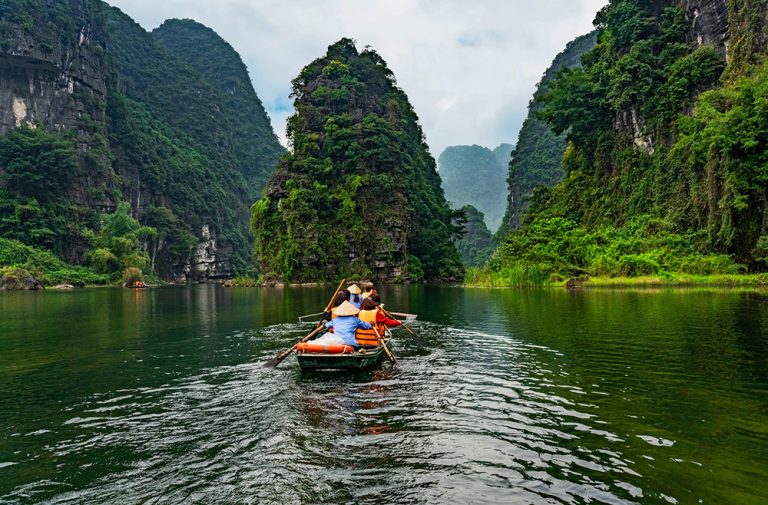
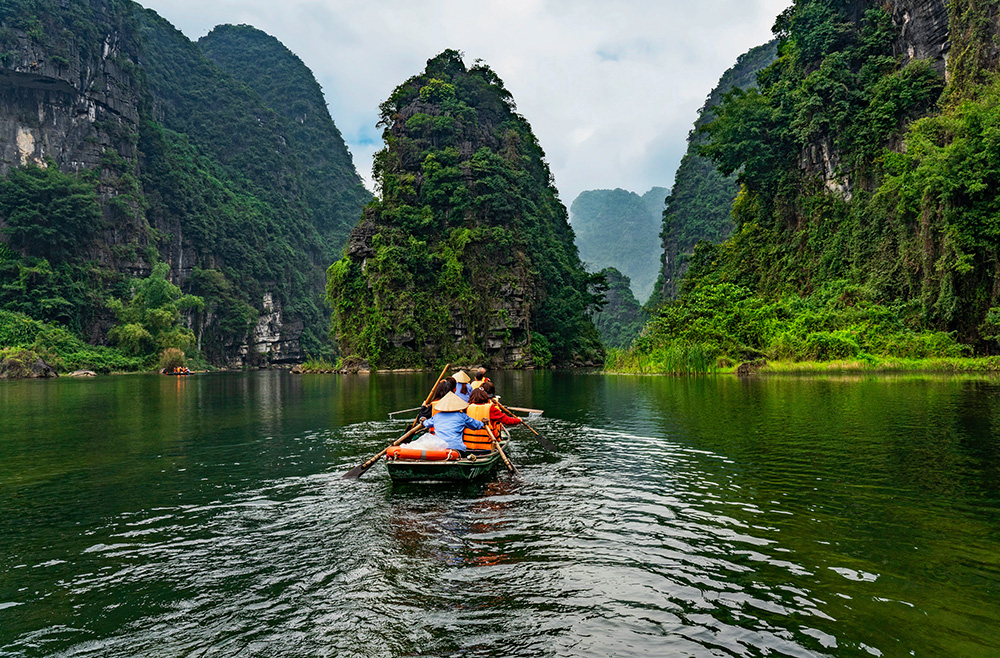
The highlight for many visitors is the Trang An Scenic Landscape Complex, a UNESCO World Heritage Site where traditional wooden boats glide slowly through caves, rivers, and dramatic limestone valleys. The peaceful atmosphere makes this one of the most relaxing experiences in Vietnam.

Another popular attraction is Tam Coc, which offers similar scenery with beautiful rice paddies lining the riverbanks. Cycling between these attractions is highly recommended, as the countryside features quiet roads, friendly villages, and stunning mountain views around every corner.

For panoramic views, climb the nearly 500 stone steps leading to the top of Mua Cave viewpoint. The effort is rewarded with one of the most iconic landscapes in Vietnam, overlooking winding rivers and endless limestone peaks.

Ninh Binh is also home to Hoa Lu, Vietnam’s ancient capital, where visitors can explore historic temples dedicated to early Vietnamese kings.

Many backpackers only spend one day here, but staying two or three days allows enough time to fully appreciate the region’s natural beauty without feeling rushed.

Ha Long Bay

Few places symbolize Vietnam as perfectly as Ha Long Bay. This UNESCO World Heritage Site features thousands of limestone islands rising dramatically from emerald-green waters, creating one of the most recognizable landscapes in the world.

The best way to experience the bay is by joining an overnight cruise. These cruises typically include kayaking, swimming, cave exploration, seafood meals, cooking demonstrations, and sunrise tai chi sessions on the deck.

Kayaking offers the opportunity to paddle through hidden lagoons, sea caves, and quiet corners that larger boats cannot reach. It’s also one of the best ways to appreciate the scale and beauty of the limestone formations.

Travelers seeking a quieter experience often choose Lan Ha Bay, located just south of Ha Long Bay. While equally beautiful, it generally attracts fewer visitors and offers a more peaceful atmosphere.

Photography enthusiasts will find endless opportunities throughout the cruise. Sunrise and sunset cast beautiful golden light across the limestone islands, creating unforgettable scenery that has inspired travelers for generations.

Although day trips are available from Hanoi, spending at least one night on the water provides a far richer experience and allows visitors to enjoy the bay after many daytime tourists have departed.

Hue

Hue is one of Vietnam’s most historically significant cities and an essential stop for travelers interested in the country’s royal past. Located along the Perfume River in Central Vietnam, Hue served as the imperial capital during the Nguyen Dynasty for more than a century. Today, it offers a quieter atmosphere than Hanoi or Ho Chi Minh City, making it an ideal place to slow down and immerse yourself in Vietnamese history.

The city’s biggest attraction is the Imperial City, a massive walled complex that once housed emperors, royal families, and government officials. Walking through its ancient gates, temples, palaces, and gardens gives visitors a fascinating glimpse into Vietnam’s imperial era. Although parts of the complex were damaged during past conflicts, extensive restoration work has helped preserve many of its impressive structures.

Outside the citadel, travelers can visit several royal tombs scattered throughout the countryside. Each tomb features unique architecture, peaceful gardens, and beautiful lakes that reflect the artistic tastes of different emperors. Hiring a bicycle or scooter is one of the best ways to explore these sites at your own pace.

Hue is also known for its exceptional cuisine. Many dishes were originally created for the royal court and are carefully prepared using traditional techniques. Be sure to try Bun Bo Hue, a spicy beef noodle soup that differs significantly from Hanoi’s famous pho. Local markets and family-owned restaurants offer authentic flavors at affordable prices.

Spending two days in Hue allows enough time to explore the historical sites, enjoy a boat ride on the Perfume River, and experience one of Vietnam’s most culturally rich destinations.

Da Nang

Da Nang has transformed into one of Vietnam’s most modern and livable cities while still maintaining easy access to beaches, mountains, and historical attractions. Many backpackers initially treat Da Nang as a stopover between Hue and Hoi An, but the city deserves at least two or three days of exploration.

My Khe Beach stretches for several kilometers along the coastline and is often ranked among the most beautiful urban beaches in Asia. The soft white sand and calm water make it perfect for swimming, sunbathing, or simply relaxing after weeks of traveling.

One of Da Nang’s most famous landmarks is the Marble Mountains, a group of limestone hills filled with caves, pagodas, temples, and panoramic viewpoints. Climbing to the top rewards visitors with breathtaking views of the surrounding coastline and city skyline.

In the evening, many travelers gather near the Dragon Bridge. Every weekend, the dragon breathes fire and water during a popular nighttime show that attracts both locals and tourists. The riverside promenade also comes alive with food vendors, street performers, and families enjoying the cooler evening temperatures.

Da Nang serves as an excellent base for day trips as well. The scenic Hai Van Pass, made famous by travel documentaries, offers spectacular coastal views, while Ba Na Hills features mountain scenery and the iconic Golden Bridge supported by giant stone hands.

Thanks to its clean streets, modern infrastructure, and relaxed atmosphere, Da Nang is also becoming increasingly popular among digital nomads and long-term travelers.

Hoi An

If you ask experienced backpackers to name their favorite destination in Vietnam, Hoi An appears on almost every list. This beautifully preserved ancient trading town combines history, culture, food, shopping, and natural beauty in a way that few destinations can match.

The heart of Hoi An is its UNESCO-listed Ancient Town, where centuries-old yellow buildings line narrow pedestrian streets illuminated by colorful lanterns each evening. Walking through these streets after sunset creates a magical atmosphere that visitors remember long after leaving Vietnam.

Hoi An is famous for its tailor shops, where skilled craftsmen can create custom-made clothing, suits, dresses, or leather products in just a few days. Many travelers take advantage of the affordable prices to have personalized clothing made during their stay.

Food is another major reason to visit. Hoi An is home to several unique dishes found nowhere else in Vietnam, including Cao Lau noodles and White Rose dumplings. Cooking classes are also extremely popular, allowing visitors to shop at local markets before learning how to prepare authentic Vietnamese meals.

Beyond the Ancient Town, travelers can rent bicycles and explore peaceful rice fields, fishing villages, coconut forests, and nearby beaches such as An Bang Beach. These quieter areas provide a refreshing contrast to the lively town center.

Most backpackers plan to stay two or three days but often end up extending their visit because Hoi An offers the perfect balance of sightseeing and relaxation.

Da Lat

Located in Vietnam’s Central Highlands, Da Lat feels completely different from the country’s tropical coastal cities. Thanks to its higher elevation, the weather remains cool throughout much of the year, making it a refreshing destination after spending time in hotter regions.

Originally developed as a hill station during the French colonial period, Da Lat features charming European-style architecture, pine forests, colorful flower gardens, and peaceful lakes. The city’s relaxed atmosphere has earned it the nickname “The City of Eternal Spring.”

Adventure lovers have plenty to enjoy here. Activities such as canyoning, mountain biking, hiking, zip-lining, and waterfall rappelling attract travelers looking for outdoor excitement. Elephant Falls, Datanla Falls, and Pongour Falls are among the region’s most impressive natural attractions.

Coffee enthusiasts will also appreciate Da Lat’s thriving coffee culture. The surrounding highlands produce some of Vietnam’s finest coffee beans, and many local cafes offer beautiful mountain views while serving freshly brewed specialty coffee.

The city’s famous night market is another highlight, offering local snacks, fresh strawberries, handmade souvenirs, and warm street food perfect for Da Lat’s cool evenings.

Ho Chi Minh City

Ho Chi Minh City, often still referred to as Saigon by locals, is Vietnam’s largest and busiest city. Skyscrapers stand beside colonial buildings, luxury shopping malls neighbor traditional markets, and modern cafes share streets with historic temples.

The city moves at an incredible pace, and simply observing daily life can be an unforgettable experience. Crossing busy intersections filled with thousands of motorbikes may seem intimidating at first, but visitors quickly adapt to the city’s unique rhythm.

History plays an important role here. The War Remnants Museum provides powerful insight into Vietnam’s recent past, while the Independence Palace and Notre Dame Cathedral reflect different periods of the country’s development.

For shopping, Ben Thanh Market remains one of the city’s best-known attractions. Visitors can browse clothing, handicrafts, coffee, spices, souvenirs, and local snacks while practicing their bargaining skills.

Ho Chi Minh City is also famous for its vibrant nightlife. Rooftop bars, live music venues, night markets, and international restaurants ensure there’s always something happening after sunset.

Many travelers spend three or four days here before continuing to the Mekong Delta or flying to other Southeast Asian destinations.

Mekong Delta

The Mekong Delta offers a completely different perspective on Vietnamese life. Rather than bustling cities, this fertile region is known for winding rivers, floating markets, fruit orchards, and peaceful farming communities.

Boat tours remain the best way to explore the delta. As you travel through narrow canals lined with coconut palms, you’ll see fishermen casting nets, children traveling to school by boat, and farmers transporting produce along the waterways.

Many tours include visits to local workshops where traditional products such as coconut candy, rice paper, and honey are still made using methods passed down through generations.

Cycling through quiet villages is another rewarding experience. Unlike Vietnam’s larger cities, the roads here are calm, allowing visitors to interact with friendly locals and enjoy the peaceful countryside.

Fresh tropical fruit is available almost everywhere, making the Mekong Delta one of the best places to sample mangoes, dragon fruit, rambutan, mangosteen, and longan during the harvest season.

An overnight homestay offers the chance to experience authentic rural life while enjoying homemade Vietnamese meals with local families.

Phu Quoc

Located in the Gulf of Thailand, Phu Quoc is Vietnam’s largest island and one of its fastest-growing beach destinations. While luxury resorts have become increasingly common, backpackers can still find affordable accommodation and beautiful stretches of coastline.

Long Beach remains one of the island’s most popular areas, offering soft sand, crystal-clear water, beachfront restaurants, and spectacular sunsets. Smaller beaches around the island provide quieter alternatives for travelers seeking relaxation away from larger crowds.

Snorkeling and island-hopping tours introduce visitors to colorful coral reefs, tropical fish, and hidden beaches. Seafood lovers will also enjoy the island’s many restaurants serving freshly caught fish, squid, crab, and shrimp.

Nature enthusiasts can explore Phu Quoc National Park, where hiking trails pass through tropical forests rich in wildlife and native plants.

For travelers ending a long backpacking journey, Phu Quoc provides the perfect place to relax before flying home.

8. Vietnamese Food Every Backpacker Should Try

One of the greatest joys of backpacking through Vietnam is discovering its incredible food culture. Vietnamese cuisine is famous for balancing fresh herbs, aromatic spices, savory broths, crisp vegetables, and perfectly grilled meats. Every region has developed its own specialties, meaning the dishes you try in Hanoi may be completely different from those served in Hue or Ho Chi Minh City.

Pho is undoubtedly Vietnam’s most internationally recognized dish. This comforting noodle soup is commonly eaten for breakfast but can be enjoyed throughout the day. Northern and southern versions differ slightly in flavor, giving travelers another reason to sample the dish in multiple cities.

Banh Mi is another favorite among backpackers. Influenced by French colonial history, this crispy baguette sandwich combines pâté, grilled meat, pickled vegetables, herbs, chili, and fresh cucumber to create one of the world’s best street foods.

Regional dishes add even more variety to your culinary journey. Hanoi is known for Bun Cha, Hue specializes in Bun Bo Hue, Hoi An offers Cao Lau and White Rose dumplings, while the Mekong Delta serves fresh tropical fruits and seafood prepared with local ingredients.

Street food plays a central role in Vietnamese culture. Rather than dining in expensive restaurants, locals often gather around small plastic tables on busy sidewalks to enjoy freshly prepared meals. These humble eateries frequently serve some of the most authentic food you’ll find anywhere in the country.

Coffee lovers should also explore Vietnam’s unique coffee traditions. Egg coffee in Hanoi, coconut coffee in Ho Chi Minh City, and traditional Vietnamese iced coffee made with sweetened condensed milk are all worth trying during your trip.

One of the best ways to experience Vietnamese cuisine is by joining a local food tour. These guided walks introduce visitors to hidden family-run restaurants and street vendors that many tourists would never discover on their own.

9. Accommodation Options

Vietnam offers an excellent range of accommodation suitable for every type of traveler.

Hostels remain the most popular option for backpackers thanks to their affordable prices and social atmosphere. Many include free breakfast, organized walking tours, family dinners, pub crawls, and comfortable common areas where travelers can easily meet new friends.

Private guesthouses provide another excellent choice for couples or travelers seeking additional privacy without spending too much. Family-run guesthouses often offer personalized recommendations and warm hospitality that larger hotels cannot match.

Boutique hotels have become increasingly common throughout Vietnam. These properties combine stylish interiors with reasonable prices, making them an attractive option for travelers seeking extra comfort.

In mountain regions such as Sapa, Ha Giang, and Mai Chau, traditional homestays allow visitors to experience authentic village life while supporting local communities. Sharing meals with host families often becomes one of the most memorable parts of the journey.

Luxury travelers will also find world-class resorts in destinations such as Da Nang, Nha Trang, and Phu Quoc, many offering exceptional value compared to similar properties elsewhere in Asia.

10. Internet, Wi-Fi, and SIM Cards

Staying connected while backpacking through Vietnam is both easy and affordable. The country has invested heavily in its telecommunications infrastructure over the past decade, and today travelers can enjoy reliable mobile coverage and fast internet in most cities, towns, and even many rural areas.

One of the first things many international visitors do after arriving is purchase a local SIM card. This allows you to use maps, translation apps, ride-hailing services, and messaging apps without relying solely on public Wi-Fi. Local SIM cards are inexpensive and are available at international airports, convenience stores, mobile phone shops, and authorized service providers throughout the country.

Many tourist packages include generous amounts of high-speed data, making it possible to navigate cities, upload photos, stream videos, and stay connected with family and friends during your trip. If your smartphone supports eSIM technology, you may also find it convenient to activate a digital plan before arriving in Vietnam.

Wi-Fi is widely available across the country. Most hostels, hotels, cafés, restaurants, coworking spaces, and even some public areas offer free internet access. In larger cities like Hanoi, Da Nang, and Ho Chi Minh City, internet speeds are generally fast enough for video calls, remote work, and online meetings.

Vietnam has also become increasingly popular among digital nomads. Cities such as Da Nang and Ho Chi Minh City feature modern coworking spaces, comfortable cafés with reliable Wi-Fi, and affordable long-term accommodation. As a result, many backpackers decide to extend their stay while working remotely.

Although internet access is generally excellent, travelers planning to visit remote mountain regions should remember that mobile signals may occasionally become weaker. Downloading offline maps before hiking or riding through isolated areas is always a smart idea.

11. Safety Tips for Backpacking Vietnam

Vietnam is widely regarded as one of the safest countries in Southeast Asia for independent travelers. Every year, millions of tourists explore the country without experiencing any serious problems. Solo travelers, couples, and groups alike generally find Vietnam welcoming and easy to navigate.

However, like any travel destination, taking a few basic precautions will help ensure a smooth and enjoyable trip.

Protect Your Belongings

Petty theft occasionally occurs in busy tourist areas, particularly in larger cities. Keep your passport, wallet, and electronics secure, especially in crowded markets, bus stations, and popular attractions.

Many backpackers use anti-theft backpacks or money belts for extra peace of mind. When staying in hostels, always use the lockers provided and bring your own padlock if necessary.

Be Careful with Traffic

For many first-time visitors, Vietnam’s traffic can be the biggest culture shock. Thousands of motorbikes share the roads, particularly in Hanoi and Ho Chi Minh City.

Crossing the street may seem intimidating at first, but the key is to walk slowly and predictably. Motorbike riders usually adjust their path around pedestrians. Avoid making sudden movements or running across busy roads.

If you rent a scooter, always wear a helmet and ride defensively. Only rent a motorbike if you have sufficient riding experience and understand local traffic conditions.

Drink Safe Water

Tap water is generally not recommended for drinking. Instead, purchase bottled water or refill reusable bottles at filtered water stations when available.

Ice served in reputable restaurants and cafés is generally considered safe, but travelers with sensitive stomachs may prefer to be cautious during their first few days.

Buy Travel Insurance

Travel insurance is one of the most important investments you can make before your trip. Medical emergencies, lost luggage, flight delays, or unexpected accidents can happen anywhere.

If you plan to participate in activities such as trekking, scuba diving, canyoning, or motorbike riding, check that your insurance policy covers these activities before you travel.

Stay Aware at Night

Vietnam’s cities are generally lively well into the evening, and many tourist areas remain busy after dark. Nevertheless, avoid walking alone in poorly lit areas late at night, and always keep an eye on your belongings when enjoying nightlife.

By following these simple precautions, most travelers find Vietnam to be an incredibly safe and enjoyable destination.

12. Cultural Etiquette and Local Customs

Understanding a few aspects of Vietnamese culture can greatly enhance your travel experience. Showing respect for local customs not only creates positive interactions but also demonstrates appreciation for the communities you visit.

Dress Respectfully

While casual clothing is perfectly acceptable in most tourist areas, visitors should dress more modestly when entering temples, pagodas, or religious sites. Clothing that covers your shoulders and knees is generally appreciated.

Many temples also require visitors to remove their shoes before entering certain buildings.

Respect Elders

Respect for older people plays an important role in Vietnamese culture. Speaking politely, waiting your turn, and showing patience are simple ways to demonstrate courtesy during everyday interactions.

Avoid Touching People’s Heads

In many Asian cultures, including Vietnam, the head is considered an important and respectful part of the body. Avoid touching someone’s head, even when interacting with children.

Ask Before Taking Photos

Vietnam offers countless opportunities for photography, especially in ethnic minority villages and traditional markets. However, it’s always polite to ask permission before photographing individuals.

Many locals are happy to pose for pictures, and asking first often leads to friendly conversations and genuine cultural exchanges.

Learn a Few Vietnamese Words

Although English is commonly spoken in tourist destinations, locals appreciate visitors who make an effort to learn basic Vietnamese phrases.

Simple expressions such as:

  • Xin chào (Hello)
  • Cảm ơn (Thank you)
  • Xin lỗi (Sorry)
  • Tạm biệt (Goodbye)

can create positive interactions throughout your journey.

13. Backpacking Essentials: What to Pack

Packing wisely will make your trip much more comfortable, especially if you’ll be moving between destinations every few days.

Clothing

Vietnam’s climate varies considerably depending on the region and season, so lightweight clothing works well for most of the country. However, mountain areas such as Sapa and Ha Giang can become surprisingly cold during winter, making a warm jacket essential.

Quick-dry clothing is particularly useful because of the country’s humidity, and comfortable walking shoes are a must for sightseeing and trekking.

Travel Gear

A quality backpack remains the most practical choice for moving frequently between cities.

Useful items include:

  • Lightweight backpack
  • Daypack for excursions
  • Packing cubes
  • Microfiber towel
  • Rain cover
  • Reusable water bottle
  • Dry bag for electronics
  • Headlamp or flashlight

Electronics

Remember to bring:

  • Universal power adapter
  • Power bank
  • Phone charger
  • Camera
  • Spare memory cards
  • Charging cables

A portable power bank becomes especially useful during overnight bus journeys or long sightseeing days.

Health Items

Pack a small medical kit containing:

  • Pain relievers
  • Bandages
  • Motion sickness tablets
  • Antidiarrheal medication
  • Insect repellent
  • Sunscreen
  • Hand sanitizer

Having these essentials readily available can save time and money while traveling.

14. Common Tourist Scams and How to Avoid Them

Vietnam is generally very welcoming, but like many popular tourist destinations, visitors should remain aware of a few common scams.

Taxi Overcharging

Some unofficial taxis may charge inflated prices or take unnecessarily long routes.

To avoid this, use trusted ride-hailing apps or choose reputable taxi companies with clearly displayed meters.

Fake Tour Agencies

Cheap tour offers that seem too good to be true often are.

Book activities through your hostel, hotel, or well-reviewed travel agencies to avoid disappointment.

Currency Confusion

Vietnamese banknotes have similar colors, making mistakes easier for first-time visitors.

Take a moment to count your money before leaving shops or exchanging currency.

Motorbike Rental Claims

Before renting a scooter, carefully inspect it and take photos of any existing scratches or damage.

This simple step can help prevent disputes when returning the vehicle.

Street Vendors

In busy tourist areas, some vendors may quote higher prices to foreign visitors.

Asking locals about typical prices or checking menus before ordering helps avoid misunderstandings.

Fortunately, these situations are relatively uncommon, and most Vietnamese people are honest and welcoming.

15. Sustainable Backpacking in Vietnam

Responsible travel helps preserve Vietnam’s beautiful landscapes and cultural heritage for future generations.

Whenever possible, carry a reusable water bottle instead of buying multiple plastic bottles. Many accommodations now provide filtered water refill stations.

Supporting local businesses is another excellent way to contribute to local communities. Family-run restaurants, guesthouses, handicraft shops, and local guides often provide more authentic experiences while helping local economies.

When visiting natural attractions such as beaches, caves, mountains, or national parks, stay on designated paths and avoid leaving litter behind.

Respect wildlife by observing animals from a distance and avoiding attractions that exploit them for entertainment.

Small actions, when practiced by many travelers, can have a meaningful positive impact.

16. Photography Tips

Vietnam is one of Southeast Asia’s most photogenic countries, offering endless opportunities for photographers of every skill level.

Early morning is often the best time to photograph busy cities before crowds arrive. Markets become lively at sunrise, fishermen begin their work, and soft golden light creates beautiful images.

Sunset provides equally stunning conditions, particularly along Vietnam’s beaches, rice terraces, and mountain viewpoints.

Some of the country’s most photogenic locations include:

  • Ha Giang Loop
  • Sapa rice terraces
  • Ninh Binh viewpoints
  • Ha Long Bay
  • Hoi An Ancient Town
  • Hai Van Pass
  • Da Lat waterfalls
  • Mekong Delta floating markets
  • Phu Quoc beaches

Always carry extra batteries or a portable charger if you plan to spend full days exploring.

17. Sample Two-Week Backpacking Budget

Although individual travel styles vary, the following budget provides a realistic estimate for a comfortable two-week backpacking trip through Vietnam.

Expense Estimated Cost (USD)
Hostel Accommodation $140
Food & Drinks $150
Transportation $130
Attractions & Tours $180
Local SIM Card $10
Laundry $15
Miscellaneous $75
Estimated Total Around $700

Travelers who cook occasionally, use overnight buses, and focus on free attractions can spend even less.

18. Frequently Asked Questions

Is Vietnam good for first-time backpackers?

Yes. Vietnam is one of the easiest countries in Southeast Asia to explore independently. Affordable transportation, well-established backpacker routes, and friendly locals make it an excellent destination for beginners.

How long should I spend backpacking Vietnam?

Two weeks allows you to visit the country’s major highlights, while three to four weeks provides a much more relaxed experience with time to explore smaller towns and hidden gems.

Is Vietnam safe for solo female travelers?

Many solo female travelers visit Vietnam every year and report positive experiences. Basic safety precautions, staying aware of your surroundings, and choosing reputable accommodation are usually sufficient.

Can I use my credit card everywhere?

Credit cards are accepted in many hotels, shopping malls, and larger restaurants. However, carrying cash is still essential for street food, local markets, and smaller businesses.

Is tipping expected?

Tipping is appreciated but not mandatory. Many travelers leave small tips for exceptional service, tour guides, hotel staff, or restaurant employees.

Do I need to know Vietnamese?

No. English is commonly spoken in major tourist destinations. However, learning a few simple Vietnamese phrases can make interactions more enjoyable and is appreciated by locals.

Is Vietnam expensive compared to other countries?

No. Vietnam remains one of the best-value travel destinations in Asia, offering affordable accommodation, transportation, food, and activities for almost every budget.

What’s the best way to travel between cities?

Sleeper buses are the most budget-friendly option, trains provide scenic and comfortable journeys, and domestic flights are ideal when traveling long distances with limited time.

Final Thoughts

As you plan your journey, remember that the best experiences often come from slowing down, talking with locals, trying unfamiliar foods, and exploring beyond the most famous attractions. With an open mind and a spirit of adventure, Vietnam has a remarkable way of turning ordinary travel moments into lifelong memories.

Whether Vietnam is your first backpacking destination or another stop on a longer Southeast Asia adventure, it’s a country that continues to inspire travelers from around the world. Once you’ve experienced its breathtaking landscapes, delicious cuisine, warm hospitality, and vibrant culture, you’ll understand why so many visitors leave already planning their next trip back.
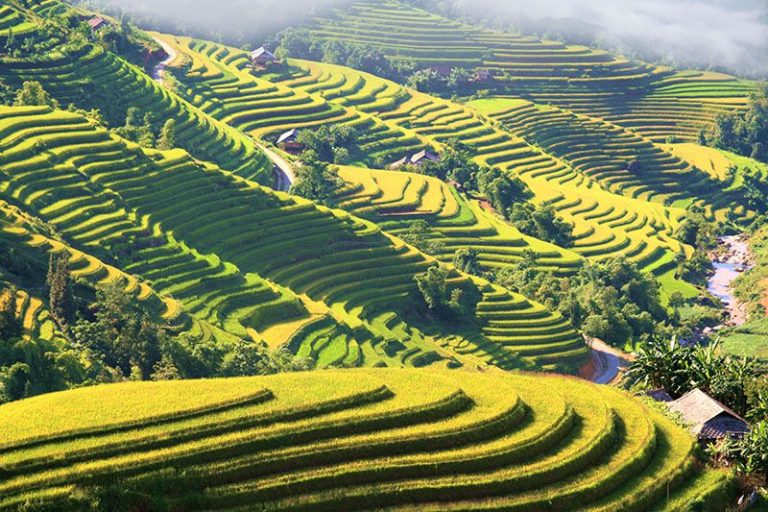
Vietnam is a country where mountains meet mist, and nowhere is that more breathtaking than in its rice terraces. Over centuries, ethnic minority communities have carved entire hillsides into layered steps of green and gold.

If you’re planning a trip to Vietnam and want to experience something beyond beaches and busy cities, here are the top 5 Vietnam rice terraces you should consider visiting.

1. Sapa

For many international travelers, Sapa is the first introduction to Vietnam’s rice terraces. Located in the far north near the Chinese border, Sapa combines stunning mountain scenery with easy accessibility.

From Hanoi, you can reach Sapa by overnight train or highway bus in about 5–6 hours. Once there, you’ll find sweeping terraced fields cascading down into valleys, often wrapped in mist. The landscape changes dramatically with the seasons — bright green in summer and golden yellow during harvest.

Sapa is also home to ethnic minority communities such as the Hmong, Red Dao, and Tay. Trekking tours allow visitors to walk through rice fields, stay in local homestays, and learn about traditional farming methods.

Best time to visit:

  • May–June (water season)

  • September–October (harvest season)

2. Mù Cang Chải

If you’re looking for a more untouched and authentic experience, Mù Cang Chải is a spectacular choice. Located in Yen Bai Province, this region is famous for some of the most impressive rice terraces in Vietnam.

Unlike Sapa, Mù Cang Chải is less commercialized. The terraces here stretch across steep mountains, forming dramatic curves that look like natural artwork. The area has been recognized as a national landscape heritage site.

Traveling here requires a bit more effort — about 6–7 hours by car from Hanoi — but the reward is breathtaking panoramic views and fewer crowds.

Foreign tourists especially love visiting during harvest season when the hills turn brilliant gold under the sun.

3. Hoàng Su Phì

Hoàng Su Phì, located in Ha Giang Province, offers one of the most remote and stunning terrace landscapes in the country. This destination is perfect for adventurous travelers who want to explore off-the-beaten-path Vietnam.

The rice terraces here are layered dramatically along steep slopes, surrounded by rugged mountains and traditional villages. Because tourism is still developing, you’ll find fewer tourists and a more peaceful atmosphere.

Hoàng Su Phì is ideal for:

  • Nature photographers

  • Motorbike travelers

  • Cultural explorers

The journey may involve winding mountain roads, but the scenery is truly unforgettable.

4. Y Tý

Y Tý is often called the “kingdom of clouds.” Situated at over 2,000 meters above sea level, this highland commune offers a unique combination of rice terraces and dramatic cloud formations.

For foreign visitors seeking a magical atmosphere, Y Tý provides stunning sunrise and sunset views. The terraces appear to float above a sea of clouds during certain times of the year.

This region is home to the Ha Nhi ethnic group, known for their distinctive earthen houses. Visiting Y Tý gives travelers the chance to experience traditional highland life in a quiet and less touristy environment.

Because of its remote location, Y Tý is best suited for experienced travelers comfortable with mountain travel.

5. Pu Luong

If you prefer something closer to Hanoi and easier to access, Pu Luong Nature Reserve is an excellent option. Located about 4 hours from the capital, Pu Luong offers beautiful terraced fields combined with eco-lodges, waterfalls, and traditional stilt houses.

The rice terraces here are gentler and more relaxed compared to the dramatic northern mountains. It’s perfect for travelers who want light trekking, nature walks, and comfortable accommodation.

Pu Luong is particularly popular with couples and families who want scenic beauty without long, difficult travel routes.

6. Practical Travel Tips When Visiting Vietnam’s Rice Terraces

Visiting Vietnam’s rice terraces is an unforgettable experience, but these mountain regions require some preparation. Here’s what international travelers should know before going.

6.1. Choose the Right Season for Your Travel Style

Vietnam’s rice terraces change dramatically throughout the year:

  • May–June (Water Season): Farmers flood the fields before planting. The terraces reflect the sky like mirrors — perfect for photographers.

  • July–August (Green Season): The rice is growing, and the mountains are covered in vibrant green.

  • September–October (Harvest Season): The most popular time. The fields turn golden and create stunning landscapes.

  • November–March: Cooler weather, sometimes foggy or cloudy. Fewer tourists, but less colorful scenery.

If you want iconic golden photos, aim for late September. If you prefer fewer crowds, consider May or early June.

6.2. Transportation: Plan Carefully

Most rice terrace destinations are in northern mountainous provinces. Roads can be narrow, steep, and winding.

From Hanoi:

  • Sapa: 5–6 hours by highway bus or limousine van.

  • Mù Cang Chải: 6–7 hours by car.

  • Hoàng Su Phì: 7–8 hours by car.

  • Pu Luong: About 4 hours by car.

If you’re not experienced driving in Asia, avoid renting a motorbike in remote areas. Instead:

  • Book a private car with driver

  • Join a guided tour

  • Use reputable bus companies

Mountain weather can change quickly, so always allow extra travel time.

6.3. Accommodation Options

You’ll find different types of accommodation depending on the destination:

  • Sapa: Hotels, boutique resorts, luxury mountain lodges, and homestays.

  • Mù Cang Chải & Hoàng Su Phì: Mostly homestays and small guesthouses.

  • Pu Luong: Eco-lodges and comfortable nature retreats.

If you want cultural immersion, stay in a local homestay. Many ethnic minority families offer clean, simple rooms with home-cooked meals.

Important:

  • Book in advance during harvest season.

  • Wi-Fi may be slow in remote areas.

  • Electricity interruptions can occasionally happen.

6.4. What to Pack

Mountain weather in northern Vietnam can be unpredictable.

Essential items:

  • Comfortable hiking shoes with good grip

  • Light rain jacket or poncho

  • Sunscreen and hat (sun can be strong at high altitude)

  • Warm jacket (especially from October to March)

  • Insect repellent

  • Portable power bank

Avoid wearing slippery shoes — terrace paths can be muddy and uneven.

6.5. Health & Safety

Rice terrace regions are generally safe for foreign tourists, but keep these points in mind:

  • Walk carefully on narrow terrace edges.

  • Do not step on planted rice fields — always follow your guide.

  • Bring personal medication, as pharmacies are limited in remote villages.

  • Drink bottled or filtered water.

  • Travel insurance is highly recommended.

If trekking for several hours, stay hydrated and take breaks — humidity can be high.

6.6. Money & Payments

In remote mountain areas:

  • Credit cards are rarely accepted.

  • ATMs may only be available in larger towns like Sapa.

  • Bring enough Vietnamese Dong (VND) in cash.

Small bills are useful for:

  • Buying snacks

  • Paying local guides

  • Purchasing handmade souvenirs

6.7. Cultural Etiquette

Vietnam’s rice terrace regions are home to ethnic minority communities such as Hmong, Dao, Tay, and Ha Nhi people. Respecting local customs is very important.

Helpful etiquette tips:

  • Always ask before taking photos of people.

  • Dress modestly when visiting villages.

  • Remove shoes when entering someone’s home.

  • Avoid public displays of excessive affection.

  • Do not give candy or money directly to children.

Supporting local communities by booking homestays or hiring local guides is a meaningful way to contribute.

6.8. Photography Tips

If photography is one of your main goals:

  • Wake up early for sunrise light.

  • Late afternoon offers warm golden tones.

  • Foggy mornings create dramatic landscapes.

  • Bring a wide-angle lens for sweeping views.

Be patient — mountain weather can change within minutes, creating incredible photo opportunities.

6.9. Internet & Connectivity

Mobile signal varies depending on the location. Sapa usually has good coverage, but Hoàng Su Phì and Y Tý may have weak signals.

Consider buying a Vietnamese SIM card in Hanoi for affordable data access. Viettel is often the most reliable network in mountainous areas.

6.10. Environmental Responsibility

Rice terraces are active farming systems, not just tourist attractions. Help preserve them by:

  • Staying on marked paths

  • Not littering

  • Avoiding damage to crops

  • Using refillable water bottles

Sustainable tourism helps protect these landscapes for future generations.

Final Thoughts

When I think about the top 5 Vietnam rice terraces — Mù Cang Chải, Sapa, Hoàng Su Phì, Y Tý, and Pu Luong — each offers something unique. Some are dramatic and vast, others are peaceful and intimate. But all of them represent the heart of Vietnam’s mountain culture.

If you truly want to understand Vietnam beyond its cities and beaches, visiting these rice terraces is unforgettable. Standing among the layered fields, watching farmers work under golden sunlight, I always feel a deep connection to the land and the generations who shaped it.

Vietnam’s rice terraces are not just destinations — they are masterpieces carved into mountains.

When I first searched for Ben Beo, Vietnam, I was confused. Was it a village? A port? A tourist attraction? After visiting myself, I finally understood: Ben Beo is the harbor that leads to one of Vietnam’s oldest floating fishing villages — Cai Beo — located on Cát Bà Island in northern Vietnam.

If you’re planning a trip, let me walk you through everything I learned — where it is, how I got there, what it cost, the best time to visit, and what I wish I had known before going.

1. Where Exactly Is Ben Beo?

Bến Bèo Harbor is located on the southeastern side of Cát Bà Island, which belongs to Hải Phòng in northern Vietnam.

It sits right at the edge of Lan Hạ Bay, a stunning bay filled with limestone karsts and emerald waters. Lan Hạ Bay is often considered the quieter, less crowded neighbor of Hạ Long Bay.

From Ben Beo Harbor, I took a small boat just a few minutes out into the water to reach:

Cái Bèo Floating Village — one of the oldest and largest floating fishing villages in Vietnam.

So to simplify:

  • Ben Beo = the harbor
  • Cai Beo = the floating village you visit
  • Location = Cat Ba Island, Northern Vietnam

2.How I Got There (Step-by-Step)

2.1. From Hanoi to Cat Ba Island

I started my journey in Hanoi. There are several ways to reach Cat Ba:

  • Bus + ferry combo (most common)
  • Private car
  • Speedboat option

I chose the bus + ferry combination. It took about 4 hours total. The route included a transfer through Hai Phong and a short boat ride to the island.

2.2. From Cat Ba Town to Ben Beo Harbor

Once I arrived in Cat Ba Town, getting to Ben Beo was easy:

  • 5–10 minutes by taxi or motorbike
  • 15–20 minutes walking

The road down to the harbor was scenic, curving along the coastline with limestone cliffs rising dramatically in the background.

3. What Makes Cai Beo So Special?

When I stepped onto the boat from Ben Beo Harbor, I wasn’t expecting what I saw next.

Clusters of floating houses stretched across the water. Wooden platforms connected homes. Fish farms floated beneath the surface. Small boats moved gently between structures.

What amazed me most is that Cai Beo isn’t a staged tourist site. It’s a living fishing community. Around 300 families still live and work here, raising fish, harvesting seafood, and maintaining a traditional lifestyle centered around the sea.

Even more fascinating — archaeologists believe people have lived in this area for thousands of years, making it one of the oldest coastal settlements in Vietnam.

I remember thinking: This isn’t just beautiful. It’s ancient.

4. Best Time to Visit Ben Beo & Cai Beo

From my experience and from local advice, here’s what I recommend:

🌤 Best Months

  • March to May – Comfortable weather, clear skies
  • September to November – Pleasant temperatures, fewer tourists

☀️ Summer (June–August)

  • Hot and humid
  • Beautiful blue skies
  • Can be crowded
  • Possible tropical storms

🌧 Winter (December–February)

  • Cooler
  • Sometimes misty or foggy
  • Fewer visitors
  • Moody, atmospheric scenery

If I went again, I would choose April or October.

5. How Much It Cost Me

Prices can change, but here’s a rough breakdown of what I paid:

Getting to Cat Ba

  • Bus + ferry combo from Hanoi: $15–25 USD

Boat from Ben Beo Harbor

  • Small group boat tour: $10–20 USD
  • Private boat rental: $30–60 USD (depending on duration)

Kayaking Option

Many tours include kayaking in Lan Ha Bay, which I highly recommend. Paddling through limestone caves and calm lagoons was unforgettable.

6. What I Did There

Here’s exactly how I spent my day:

  • Took a boat from Ben Beo Harbor
  • Cruised slowly through Cai Beo floating village
  • Observed fish farms and floating homes
  • Continued into Lan Ha Bay
  • Stopped for swimming
  • Kayaked through hidden lagoons
  • Relaxed and took photos of limestone karsts

The entire experience lasted about 4–5 hours.

7. What It Felt Like Being There

The strongest memory I have is the silence.

Even though there were boats moving around, everything felt calm. The water gently rocked the houses. Fishermen repaired nets. Children moved between floating platforms with ease.

There were no cars. No traffic sounds. Just water, wind, and distant conversation.

It felt like stepping into a different rhythm of life — slower, more patient.

8. Travel Tips I Wish I Knew Before Going

Here are practical things I learned:

✔ Go Early in the Morning

The light is softer, the water calmer, and there are fewer boats.

✔ Bring Sunscreen

There is almost no shade on the boat.

✔ Wear Light, Breathable Clothing

It gets hot quickly, especially in summer.

✔ Bring Cash

Small vendors and boat operators may not accept cards.

✔ Respect the Village

Remember: this is a real community. Avoid intrusive photography and loud behavior.

9. Is It Worth Visiting?

In my opinion — absolutely yes.

If you want:

  • Cultural authenticity
  • Stunning natural scenery
  • Fewer crowds than Ha Long Bay
  • A glimpse into traditional Vietnamese coastal life

Then Ben Beo and Cai Beo are worth your time.

If you’re expecting luxury resorts and polished attractions, this might not be your place. But if you appreciate real communities and raw beauty, you’ll love it.

10. How Long Should You Stay?

I recommend:

  • Half-day trip if you’re short on time
  • Full-day boat tour if you want kayaking and swimming
  • 2–3 days on Cat Ba Island to explore beaches and hiking trails

Cat Ba itself has much more to offer beyond the floating village, including national park trekking and quiet beaches.

Final Thoughts

Before visiting, Ben Beo was just a name on a map to me. After experiencing it, I see it differently.

It’s not just a harbor. It’s a gateway.

A gateway to one of Vietnam’s oldest fishing communities. A gateway to peaceful waters and limestone islands. A gateway to understanding how deeply connected people can be to the sea.

When I left Ben Beo Harbor that afternoon, watching the floating village fade into the distance, I felt grateful that places like this still exist.

And if you ever find yourself on Cat Ba Island, I hope you take that short ride from Ben Beo out into the water — because some of Vietnam’s most beautiful stories float there.

Hue is not a city that rushes you. When I first arrived, I quickly realized that Hue invites you to slow down, look deeper, and feel history in every corner. Once the imperial capital of Vietnam, Hue is filled with ancient palaces, royal tombs, spiritual pagodas, and peaceful river scenery.

Beyond its famous landmarks, Hue also offers rich food culture, traditional crafts, and quiet local life that feels untouched by mass tourism. If you want to experience Vietnam’s cultural soul, Hue is the place to be. Here are the 10 best things to do in Hue, Vietnam that truly capture the heart of this historic city.

1. Explore the Imperial City (Citadel of Hue)

The Imperial City is the most iconic attraction in Hue and a must-visit for any traveler. This massive complex once served as the political and cultural center of the Nguyen Dynasty for over 140 years. Walking through its grand gates, I felt like I had stepped back into imperial Vietnam.

Inside the Citadel, you will find palaces, temples, royal gardens, and ancient courtyards surrounded by thick stone walls and moats. Although some areas were damaged during wars, many structures have been carefully restored. The best time to visit is early morning or late afternoon when the light is softer and the crowds are smaller. Wear comfortable shoes because the site is large, and plan at least two to three hours to fully enjoy it.

2. Visit the Royal Tombs of the Nguyen Emperors

Hue is famous for its royal tombs, each uniquely designed to reflect the personality and philosophy of the emperor buried there. Visiting these tombs is one of the most meaningful things to do in Hue.

The most popular ones include Tomb of Minh Mang, known for its perfect balance with nature; Tomb of Tu Duc, which feels poetic and peaceful; and Tomb of Khai Dinh, famous for its dramatic architecture and detailed mosaics. I recommend visiting at least two or three tombs to truly understand the artistic and spiritual depth of Hue’s royal past. Renting a motorbike or hiring a driver makes traveling between tombs easy and enjoyable.

3. Take a Dragon Boat Cruise on the Perfume River

The Perfume River flows gently through Hue, adding romance and calm to the city. A dragon boat cruise is one of the most relaxing ways to see Hue from a different perspective.

As the boat glides along the water, you can admire pagodas, riverside villages, and lush greenery. Many tours stop at Thien Mu Pagoda, allowing you to combine sightseeing with relaxation. I found sunset cruises especially beautiful, as the sky turns golden and reflects softly on the river. Some evening cruises even include traditional Hue folk music, creating a truly memorable cultural experience.

4. Visit Thien Mu Pagoda

Thien Mu Pagoda is the spiritual symbol of Hue and one of the oldest pagodas in Vietnam. Located on a hill overlooking the Perfume River, this seven-story pagoda is both peaceful and visually striking.

Walking through the grounds, you will find quiet gardens, ancient bells, and historic relics connected to Vietnam’s Buddhist past. I suggest visiting in the early morning when the atmosphere is calm and monks are going about their daily routines. Remember to dress modestly and keep your voice low to respect the sacred environment.

5. Discover Hue’s Imperial Cuisine

Food is a huge part of Hue’s identity, and trying local dishes is absolutely one of the best things to do in Hue. Hue cuisine is known for its elegant presentation, balanced flavors, and royal origins.

Some must-try dishes include bun bo Hue (spicy beef noodle soup), banh beo, banh nam, banh bot loc, and com hen (rice with baby clams). What I love most is how even simple street food feels refined and carefully prepared. For a deeper experience, you can try a traditional royal-style meal, where dishes are served like they once were for emperors.

6. Walk Through Dong Ba Market

Dong Ba Market is the largest and most vibrant market in Hue. If you want to experience local life, this is the place to go.

Inside the market, you will find fresh produce, spices, dried seafood, souvenirs, and plenty of street food stalls. I enjoyed wandering through the narrow aisles, tasting local snacks, and chatting with friendly vendors. Dong Ba Market is also a great place to buy Hue specialties such as sesame candies, shrimp paste, and conical hats. Go in the morning for the liveliest atmosphere.

7. Visit the Abandoned Water Park at Thuy Tien Lake

For something different and slightly mysterious, visit the abandoned water park at Thuy Tien Lake. Although it was never officially completed, the site has become popular with adventurous travelers.

The most striking feature is the giant dragon structure rising from the lake, which creates an eerie yet fascinating scene. I recommend visiting during the day and being cautious, as the area is not officially maintained. While it may not suit everyone, this unique location offers a side of Hue that contrasts sharply with its refined imperial image.

8. Explore Hue by Bicycle or Motorbike

One of the best ways to experience Hue is by exploring it on two wheels. The city is relatively flat and calm, making cycling or motorbiking easy and enjoyable.

Riding along the Perfume River, through small villages, and past rice fields gave me a closer look at daily life in Hue. You can stop anytime for coffee, photos, or street food. Early morning rides are especially pleasant when the air is cool and the streets are quiet. This is a simple yet rewarding way to connect with the city.

9. Watch a Traditional Hue Royal Music Performance

Hue is the birthplace of Nha Nhac, Vietnam’s royal court music, which is recognized by UNESCO as Intangible Cultural Heritage. Watching a live performance is a cultural experience you should not miss.

Performances often take place in the Imperial City or on dragon boats in the evening. The combination of traditional instruments, graceful costumes, and slow rhythms reflects the elegance of royal life. Even if you don’t understand the lyrics, the atmosphere alone is enough to leave a lasting impression.

10. Take a Day Trip to Lang Co Beach or Bach Ma National Park

If you want a break from historical sites, Hue’s surrounding nature offers excellent day-trip options. Lang Co Beach is known for its long stretch of white sand and clear water, perfect for relaxation.

For nature lovers, Bach Ma National Park is a great choice. It features cool mountain air, hiking trails, waterfalls, and panoramic views. I found it refreshing to escape the city and enjoy the natural beauty after days of sightseeing. Both destinations are about one to two hours from Hue and are well worth the trip.

Final Thoughts

Hue is a city that reveals its beauty slowly. It may not feel as busy as Hanoi or as modern as Ho Chi Minh City, but that is exactly what makes it special. From imperial architecture and spiritual sites to peaceful rivers and unforgettable food, Hue offers a deep cultural experience that stays with you long after you leave.

If you take the time to explore beyond the main attractions, you will discover why Hue holds such an important place in Vietnam’s history and heart. Whether it’s your first visit or your return, Hue always has something new to share with those willing to listen.

Vietnamese New Year, known as Tết Nguyên Đán or simply Tết, is the most important and widely celebrated holiday in Vietnam. It marks the beginning of the Lunar New Year and is a time of family reunions, honoring ancestors, welcoming good fortune, and starting fresh. More than just a holiday, Tết is deeply rooted in Vietnamese culture, history, and spiritual beliefs. To truly understand Vietnam, you must understand Tết.

This article will guide you through everything you need to know about Vietnamese New Year—its meaning, traditions, food, customs, and how people celebrate it today.

1. What Is Vietnamese New Year?

Vietnamese New Year follows the lunar calendar, which means it usually falls between late January and mid-February. It begins on the first new moon of the lunar year and lasts for several days, though preparations often start weeks in advance.

Tết represents the transition from the old year to the new one. Vietnamese people believe that what happens during Tết can influence their luck, happiness, health, and success for the entire year. Because of this, people try to start the new year with positive thoughts, clean homes, new clothes, and joyful celebrations.

2. The Meaning of Tết in Vietnamese Culture

Tết is about more than celebrating a new year. It is a time to reconnect with family, remember ancestors, and express gratitude for the past year. Many Vietnamese people travel long distances to return to their hometowns so they can spend Tết with their parents and relatives.

It is also a time of forgiveness and renewal. Old conflicts are put aside, debts are settled, and people begin the year with a clean slate. Everyone hopes for peace, prosperity, and happiness in the coming months.

3. How Vietnamese People Prepare for Tết

Preparation for Tết usually begins two to three weeks before the new year.

Cleaning and Decorating

Homes are cleaned from top to bottom to remove bad luck from the previous year. People decorate their houses with flowers, red banners, and lucky symbols. In northern Vietnam, peach blossoms are popular, while in the south, people prefer yellow apricot flowers. These flowers represent growth, luck, and new beginnings.

Many families also display a kumquat tree, which symbolizes prosperity and success.

Shopping and Cooking

Markets become very busy before Tết. People buy new clothes, gifts, candies, fruits, and ingredients for traditional dishes. Special foods are prepared in advance because during the first days of Tết, many people avoid cooking.

4. Traditional Foods of Vietnamese New Year

Food plays a central role during Tết. Each dish carries symbolic meaning.

Bánh Chưng and Bánh Tét

These are the most important Tết foods.

  • Bánh Chưng (popular in the north) is a square sticky rice cake filled with pork and mung beans.
  • Bánh Tét (popular in the south) is a cylindrical version of the same cake.

They represent the earth and gratitude to ancestors.

Pickled Vegetables

Pickled onions and vegetables are served to balance the rich, fatty foods. They also symbolize harmony between different flavors in life.

Boiled Chicken and Pork Dishes

Boiled chicken is often offered on the family altar. Pork dishes symbolize wealth and abundance.

Tết Candies and Dried Fruits

These sweet treats are shared with guests and represent sweetness and good fortune in the new year.

5. Ancestor Worship During Tết

Honoring ancestors is one of the most sacred parts of Tết. Families clean their ancestral altars and prepare offerings of food, fruits, flowers, and incense. It is believed that ancestors return home during Tết to celebrate with their descendants.

On New Year’s Eve, families gather to welcome the ancestors and pray for protection, health, and blessings for the year ahead.

6. First Visitor of the New Year

The first person to enter a home after midnight on New Year’s Day is believed to affect the family’s luck for the whole year. This tradition is called “xông đất.”

Families often choose someone with a good personality, good health, and good fortune to be their first visitor. Sometimes the homeowner will step outside and come back in to ensure good luck.

7. Lucky Money (Lì Xì)

Giving lì xì, or lucky money, is one of the most loved Tết traditions. Adults give children and elderly people red envelopes containing money. Red symbolizes luck and happiness, while the money represents good wishes for health and success.

The amount of money is less important than the meaning behind it.

8. New Year Greetings

During Tết, people visit relatives, friends, teachers, and neighbors to offer New Year greetings. Common wishes include:

  • Good health
  • Prosperity
  • Happiness
  • Success
  • Peace

Speaking kind and positive words during Tết is believed to bring good luck.

9. Taboos During Tết

Vietnamese people follow certain rules during Tết to avoid bad luck:

  • Do not argue or say negative things
  • Do not break dishes
  • Do not sweep the floor on the first day (to avoid sweeping away luck)
  • Do not ask for money or talk about death

These traditions help keep the holiday peaceful and positive.

10. How Tết Is Celebrated Today

Modern Vietnamese people still respect traditional Tết customs, but celebrations have evolved. Fireworks, festivals, flower markets, and street performances are common in big cities. People also send digital greetings and gifts, but family gatherings remain the heart of the holiday.

Many businesses close for several days, and the country slows down so people can focus on family and rest.

11. Why Tết Is So Special

Tết is not just a holiday—it is the soul of Vietnamese culture. It connects the past with the present, the living with ancestors, and individuals with their families. It is a time of love, hope, gratitude, and renewal.

Whether you are Vietnamese or a visitor to Vietnam, experiencing Tết offers a deep and unforgettable look into the heart of the nation.

Vietnam is a country blessed with diverse landscapes, from misty highlands and fertile river deltas to long tropical coastlines. This natural variety creates ideal conditions for an impressive range of flowers that bloom throughout the year. Flowers in Vietnam are not only admired for their beauty but also deeply connected to daily life, spirituality, traditions, and major celebrations such as Tết (Lunar New Year), weddings, and religious festivals.

From elegant lotus flowers symbolizing purity to bright yellow apricot blossoms welcoming spring, Vietnamese flowers reflect the country’s soul, climate, and cultural values. Below are 10 popular types of Vietnamese flowers, each carrying its own story, symbolism, and place in Vietnamese life.


1. Lotus Flower (Hoa Sen)

The lotus flower is widely regarded as the national flower of Vietnam. Growing gracefully from muddy ponds, the lotus represents purity, resilience, and enlightenment. Its ability to bloom beautifully despite rising from murky water makes it a powerful symbol in Vietnamese culture and Buddhism.

Lotus flowers are commonly found in lakes, ponds, and rivers across the country, especially in the summer months. Every part of the lotus has value: the petals are admired for their beauty, the seeds are used in sweets and teas, and the leaves are used in traditional dishes.

In Vietnamese art, poetry, and architecture, the lotus frequently appears as a symbol of noble character and moral integrity. Visiting lotus ponds in bloom, particularly in Hanoi and the Mekong Delta, is a beloved seasonal experience for both locals and tourists.


2. Peach Blossom (Hoa Đào)

Peach blossoms are closely associated with Tết in northern Vietnam. Blooming in soft shades of pink, these delicate flowers symbolize renewal, happiness, and good fortune for the new year.

As winter fades, peach blossom trees begin to flower, creating a festive atmosphere in cities like Hanoi. Families decorate their homes with peach branches during Tết, believing the blossoms can ward off evil spirits and bring peace and prosperity.

Peach blossoms also represent love and romance in Vietnamese folklore. Their brief blooming period reminds people to cherish beauty and happiness while they last, making them both visually stunning and emotionally meaningful.


3. Yellow Apricot Blossom (Hoa Mai)

In southern Vietnam, yellow apricot blossoms are the most iconic flower of Tết. Unlike peach blossoms in the north, hoa mai blooms in bright yellow, a color associated with wealth, luck, and success.

The number of petals on a hoa mai flower is believed to predict the family’s fortune for the coming year. A tree with many blossoms is considered especially auspicious. As a result, households take great care in nurturing their apricot trees to bloom right on time for the Lunar New Year.

The vibrant yellow flowers, combined with warm southern weather, create a joyful and energetic New Year atmosphere throughout cities like Ho Chi Minh City and Can Tho.


4. Chrysanthemum (Hoa Cúc)

Chrysanthemums are among the most commonly seen flowers in Vietnam. They symbolize longevity, happiness, and respect, making them popular for both celebrations and ancestor worship.

Chrysanthemums come in many colors, including yellow, white, and purple. Yellow chrysanthemums are particularly popular during Tết and religious ceremonies, as they represent vitality and prosperity.

These flowers are often placed on altars, used in floral arrangements, and planted in home gardens. Their durability and long-lasting blooms make them a favorite choice for decorations during important events.


5. Orchid (Hoa Lan)

Vietnam is home to hundreds of orchid species, making orchids one of the most diverse and admired flowers in the country. Orchids symbolize elegance, luxury, and refined beauty.

Orchids are widely grown as ornamental plants and are often given as gifts during special occasions such as weddings, anniversaries, and business openings. Some rare orchid species are highly valued by collectors and can be quite expensive.

In recent years, orchid exhibitions and festivals have become popular in major cities, attracting flower lovers from across the country. Their intricate shapes and long-lasting blooms make orchids a symbol of sophistication and patience.


6. Lily (Hoa Ly)

Lilies are cherished in Vietnam for their graceful appearance and gentle fragrance. White lilies, in particular, are associated with purity, sincerity, and elegance.

Lilies are commonly used in home decorations, temples, and special ceremonies. In Vietnamese households, fresh lilies are often displayed in living rooms or on altars to create a calm and refined atmosphere.

The flower’s tall stems and large blooms make it a favorite among florists, especially for formal arrangements. Lilies also hold spiritual significance, often representing peace and harmony.


7. Rose (Hoa Hồng)

Although roses are not native to Vietnam, roses have become extremely popular and are widely cultivated across the country, especially in Da Lat, Vietnam’s famous flower city.

Roses symbolize love, passion, and admiration. Red roses are commonly exchanged on Valentine’s Day and anniversaries, while pink and white roses are used for weddings and celebrations.

Vietnamese rose gardens produce a wide variety of colors and fragrances. Da Lat’s cool climate allows roses to bloom beautifully year-round, supplying flowers to markets throughout the country.


8. Bougainvillea (Hoa Giấy)

Bougainvillea, known in Vietnamese as hoa giấy (paper flower), is admired for its bright colors and remarkable resilience. Despite its delicate appearance, bougainvillea thrives in harsh conditions and blooms profusely under strong sunlight.

Common colors include pink, purple, red, and white. The flower is often planted along fences, balconies, and streets, adding vibrant charm to urban and rural landscapes alike.

Bougainvillea symbolizes warmth, hospitality, and endurance. Its widespread presence across Vietnam makes it a familiar and beloved sight, especially in coastal and southern regions.


9. Jasmine (Hoa Nhài)

Jasmine is known for its small white blossoms and sweet, soothing fragrance. In Vietnam, jasmine represents purity, grace, and gentle love.

Jasmine flowers are often used to scent tea, especially traditional green tea, creating a calming and aromatic drink enjoyed by many Vietnamese people. The flowers are also used in religious offerings and traditional ceremonies.

Because jasmine blooms in the evening and releases its strongest scent at night, it is often associated with quiet beauty and inner peace. Many homes grow jasmine plants near windows or gardens to enjoy their fragrance.


10. Flamboyant Flower (Hoa Phượng)

The flamboyant flower, also called the flame tree flower, is one of the most emotionally symbolic flowers in Vietnam. Blooming in vivid red during early summer, it is strongly associated with school life and youth.

When flamboyant trees bloom, it signals the end of the school year and the beginning of summer vacation. For many Vietnamese people, hoa phượng evokes memories of friendship, first love, and farewell moments.

These towering trees line streets and schoolyards across the country, especially in coastal cities. Their fiery red blossoms create a dramatic and unforgettable summer landscape.


Conclusion

Vietnamese flowers are more than natural decorations; they are living symbols of the country’s traditions, beliefs, and emotional connections. Each flower carries its own meaning, season, and role in daily life, from spiritual offerings to festive celebrations.

Whether it is the pure lotus rising from muddy waters, the joyful yellow apricot blossoms of Tết, or the nostalgic flamboyant flowers of summer, Vietnamese flowers reflect the beauty, resilience, and warmth of the Vietnamese people. Exploring these flowers offers a deeper understanding of Vietnam’s culture and a richer appreciation of its natural heritage.

Vietnamese cuisine is famous for its balance of flavors, fresh ingredients, and regional diversity. While dishes like pho and banh mi often steal the spotlight, Vietnamese dumplings deserve just as much attention. These comforting, bite-sized delights come in many shapes and textures, from chewy rice cakes to crispy fried parcels, and they reflect centuries of culinary tradition influenced by local ingredients and cultural history.

Unlike dumplings from other countries that may rely heavily on wheat flour, Vietnamese dumplings are often made from rice flour or tapioca starch, giving them a unique chewiness and lightness. They are commonly steamed, boiled, or pan-fried and served with flavorful dipping sauces that enhance every bite.

If you’re visiting Vietnam or exploring Vietnamese food for the first time, here are the top 5 types of Vietnamese dumplings you absolutely should eat.


1. Bánh Bột Lọc – Clear Shrimp and Pork Dumplings

Bánh bột lọc is one of the most iconic Vietnamese dumplings, originating from Hue, the former imperial capital of Vietnam. These dumplings are instantly recognizable by their translucent outer layer made from tapioca starch.

Inside, you’ll find a savory filling of shrimp and pork belly, often seasoned with fish sauce and black pepper. When steamed, the wrapper becomes glossy and chewy, allowing the bright orange shrimp to show through beautifully.

Bánh bột lọc can be served wrapped in banana leaves or plated and topped with crispy fried shallots. The dumplings are typically eaten with a sweet-and-salty fish sauce, sometimes with a hint of chili for extra heat.

What makes bánh bột lọc special is its contrast of textures: chewy wrapper, tender shrimp, and rich pork. It’s a must-try dish for anyone visiting central Vietnam.


2. Bánh Bao – Vietnamese Steamed Pork Bun

Bánh bao is Vietnam’s version of the steamed bun, influenced by Chinese cuisine but adapted to local tastes. This fluffy, bread-like dumpling is made from wheat flour dough and filled with a hearty mixture of ingredients.

A classic bánh bao filling includes ground pork, wood ear mushrooms, glass noodles, and a whole boiled quail egg in the center. The bun is steamed until soft and pillowy, making it a popular breakfast or snack throughout Vietnam.

Bánh bao is commonly sold at street stalls, bakeries, and convenience shops. It’s filling, portable, and comforting—perfect for travelers on the go. While traditional pork bánh bao is the most common, modern versions may include chicken, vegetarian fillings, or even sweet custard.

This dumpling showcases Vietnam’s ability to adapt foreign influences into something uniquely its own.


3. Bánh Ram Ít – Crispy and Soft Sticky Rice Dumplings

Bánh ram ít is a delightful combination of two different dumplings served together, offering both crispy and soft textures in one dish. Like bánh bột lọc, it comes from Hue and reflects the city’s refined culinary heritage.

The “ram” is a small, deep-fried sticky rice dumpling that becomes crunchy and golden. The “ít” is a soft, steamed sticky rice dumpling filled with seasoned shrimp or pork and placed on top of the crispy base.

The dumplings are garnished with shrimp floss, scallion oil, and sometimes crispy shallots. They are eaten with fish sauce, creating a perfect balance of crunch, chewiness, and savory flavor.

Bánh ram ít is often served at festivals, family gatherings, and traditional ceremonies, making it not only delicious but also culturally meaningful.


4. Bánh Ít Trần – Soft Sticky Rice Dumplings

Bánh ít trần is a close relative of bánh ram ít but served on its own without the fried base. The dumpling is made from glutinous rice flour, shaped into small rounds, and filled with shrimp, pork, or mung bean.

Once steamed, bánh ít trần becomes soft and slightly chewy. It is usually topped with scallion oil and shrimp floss, then served with a light fish sauce for dipping.

This dumpling is especially popular in central Vietnam and is often prepared during holidays, ancestor worship ceremonies, and special occasions. Its name loosely translates to “naked bánh ít,” referring to the absence of banana leaf wrapping.

Simple in appearance but rich in flavor, bánh ít trần highlights the elegance of traditional Vietnamese cooking.


5. Bánh Gối – Vietnamese Pillow Dumplings

Bánh gối is a crispy, deep-fried dumpling that resembles a pillow, which is exactly how it gets its name. This northern Vietnamese favorite is often compared to empanadas or samosas due to its shape and frying method.

The filling typically includes ground pork, glass noodles, wood ear mushrooms, and sometimes shrimp or boiled egg. The wrapper is made from wheat flour dough and becomes golden and crispy when fried.

Bánh gối is usually served hot, accompanied by fresh herbs like lettuce and cilantro, along with a tangy dipping sauce made from fish sauce, vinegar, sugar, and chili.

Popular in Hanoi, bánh gối is a beloved street food, especially during cooler months. Its crunchy exterior and savory filling make it an irresistible snack.


Why Vietnamese Dumplings Are Worth Trying

Vietnamese dumplings reflect the country’s culinary diversity and regional traditions. Each type tells a story—from royal Hue cuisine to bustling Hanoi street food. They highlight the importance of texture, balance, and fresh ingredients in Vietnamese cooking.

Whether steamed, fried, chewy, or crispy, these dumplings offer a delicious way to explore Vietnam’s food culture beyond the usual dishes. For travelers and food lovers alike, trying Vietnamese dumplings is an experience you won’t forget.

So next time you’re in Vietnam—or at a Vietnamese restaurant—be sure to seek out these five dumplings and enjoy the flavors that locals have loved for generations.

Vietnamese cuisine is famous worldwide for its balance of flavors, fresh ingredients, and regional diversity. While savory dishes like pho and banh mi often steal the spotlight, Vietnam’s dessert scene is just as rich and fascinating. Vietnamese desserts are typically less sweet than Western treats and rely heavily on natural ingredients such as rice, beans, coconut milk, tropical fruits, and herbs. For travelers visiting Vietnam, sampling local desserts is a wonderful way to understand the country’s culture, climate, and culinary traditions.

From colorful street snacks to comforting bowls of warm sweet soup, here are ten Vietnamese desserts you absolutely need to try during your journey.

1. Chè – Vietnamese Sweet Soup

Chè is not just one dessert but an entire category of Vietnamese sweets. It can be served hot or cold and includes countless variations depending on the region. Common ingredients include mung beans, red beans, black beans, tapioca pearls, lotus seeds, jelly, coconut milk, and fresh fruit.

In southern Vietnam, chè is often sweeter and topped generously with creamy coconut sauce and crushed ice. In the north, it tends to be lighter and less sugary. You’ll find chè sold everywhere—from street vendors pushing carts to small dessert shops. Trying different types of chè across Vietnam is a delicious adventure in itself.

2. Bánh Flan – Vietnamese Caramel Custard

Bánh flan is Vietnam’s take on caramel custard, influenced by French colonial cuisine. It has a silky-smooth texture, a rich eggy flavor, and a layer of amber caramel sauce on top. What makes the Vietnamese version special is how it’s often served with crushed ice and sometimes paired with strong Vietnamese coffee.

This dessert is refreshing in Vietnam’s tropical climate and widely available at street stalls and cafés. Its familiar taste makes it a great introduction to Vietnamese desserts for first-time visitors.

3. Bánh Chè Trôi Nước – Glutinous Rice Balls in Ginger Syrup

This traditional dessert consists of soft glutinous rice balls filled with sweet mung bean paste, served in a warm ginger-infused syrup and topped with coconut milk and sesame seeds. The contrast between the chewy rice exterior, creamy filling, spicy ginger syrup, and rich coconut milk creates a complex yet comforting flavor.

Bánh trôi nước is often eaten during special occasions and festivals, particularly around the Lunar New Year. For travelers, it offers a taste of Vietnam’s deep-rooted culinary traditions and symbolic foods.

4. Bánh Chuối – Vietnamese Banana Cake

Bananas are abundant in Vietnam, and bánh chuối is one of the most popular ways to enjoy them as dessert. This cake can be steamed or baked, combining ripe bananas with rice flour, coconut milk, and sometimes tapioca pearls.

The result is a soft, moist dessert with a natural sweetness and a subtle coconut aroma. It’s often topped with coconut cream and toasted sesame seeds or peanuts. Bánh chuối is easy to find at local markets and makes for a satisfying yet not overly sweet treat.

5. Xôi Ngọt – Sweet Sticky Rice

Xôi ngọt refers to sweet sticky rice dishes, which are commonly eaten for breakfast or as a dessert. Made from glutinous rice, these dishes are colorful, filling, and visually appealing. Popular versions include sticky rice with mung beans, corn, coconut, or black beans.

Sweet sticky rice is often topped with coconut flakes, coconut sauce, or roasted peanuts. For travelers, xôi ngọt offers a glimpse into how rice—the heart of Vietnamese cuisine—appears in every form, including desserts.

6. Bánh Da Lợn – Steamed Layer Cake

Despite its unusual name, bánh da lợn is a beloved Vietnamese dessert. It’s a steamed cake made of multiple thin layers, typically alternating between pandan-flavored green layers and mung bean layers. The cake has a chewy, slightly bouncy texture thanks to tapioca starch.

Each bite delivers a gentle sweetness and fragrant pandan aroma. Bánh da lợn is commonly sold at markets and family-run bakeries. Its bright colors and unique texture make it especially appealing to curious travelers.

7. Kem Xôi – Sticky Rice Ice Cream

Kem xôi is a creative Vietnamese dessert that combines warm sticky rice with cold ice cream, usually coconut-flavored. The contrast in temperature and texture makes this dessert memorable and fun.

It’s often topped with shredded coconut, roasted peanuts, or coconut sauce. Kem xôi is a popular street food in big cities like Hanoi and Ho Chi Minh City, especially among young locals. Travelers looking for something unexpected will enjoy this playful dessert.

8. Sương Sa Hạt Lựu – Jelly and Pomegranate Seed Dessert

This refreshing dessert features colorful tapioca cubes that resemble pomegranate seeds, served in coconut milk and crushed ice. It often includes agar jelly, basil seeds, and sweet syrup.

Light, cooling, and visually striking, sương sa hạt lựu is perfect for hot afternoons. It’s commonly found at street stalls and dessert shops in southern Vietnam. For foreign visitors, it offers a refreshing break from sightseeing while showcasing Vietnam’s love for texture and color in food.

9. Bánh Ít Trần – Glutinous Rice Dumplings

Bánh ít trần are small, chewy dumplings made from glutinous rice flour and filled with sweet mung bean paste or coconut. They are usually steamed and lightly coated with oil, then topped with shredded coconut or sesame.

Although they can be savory or sweet, the sweet version is popular as a dessert. These dumplings are often associated with central Vietnam and are enjoyed during family gatherings and celebrations. Trying bánh ít trần allows travelers to experience regional dessert traditions.

10. Trái Cây Dầm – Vietnamese Fruit Salad

Vietnam is home to an incredible variety of tropical fruits, and trái cây dầm is a simple yet delicious way to enjoy them. This dessert combines fresh fruits such as mango, papaya, jackfruit, banana, and avocado, mixed with condensed milk, coconut milk, or yogurt, and sometimes ice.

Sweet, creamy, and refreshing, trái cây dầm highlights the natural flavors of Vietnam’s fruits. It’s widely available in cities and coastal towns, making it an easy and healthy dessert choice for travelers.

Final Thoughts

Vietnamese desserts reflect the country’s geography, climate, and cultural influences. They are often light, balanced, and focused on natural flavors rather than heavy sugar. Coconut milk, rice, beans, and fresh fruit play starring roles, creating desserts that are both comforting and refreshing.

For foreign tourists traveling to Vietnam, trying local desserts is more than just satisfying a sweet tooth—it’s a way to connect with daily life, traditions, and regional diversity. Whether you’re enjoying a bowl of chè on a busy street corner or savoring a slice of banana cake at a local market, Vietnamese desserts offer memorable flavors that stay with you long after your trip ends.