Vietnamese cuisine is famous for its fresh herbs, balanced flavors, and incredible variety of street food. While dishes like pho and banh mi often steal the spotlight, Vietnamese dumplings deserve just as much attention.
If you’re planning a food adventure in Vietnam or simply want to learn more about authentic Vietnamese cuisine, these are the eight most popular dumplings you should know.
1. Vietnamese Steamed Pork Buns
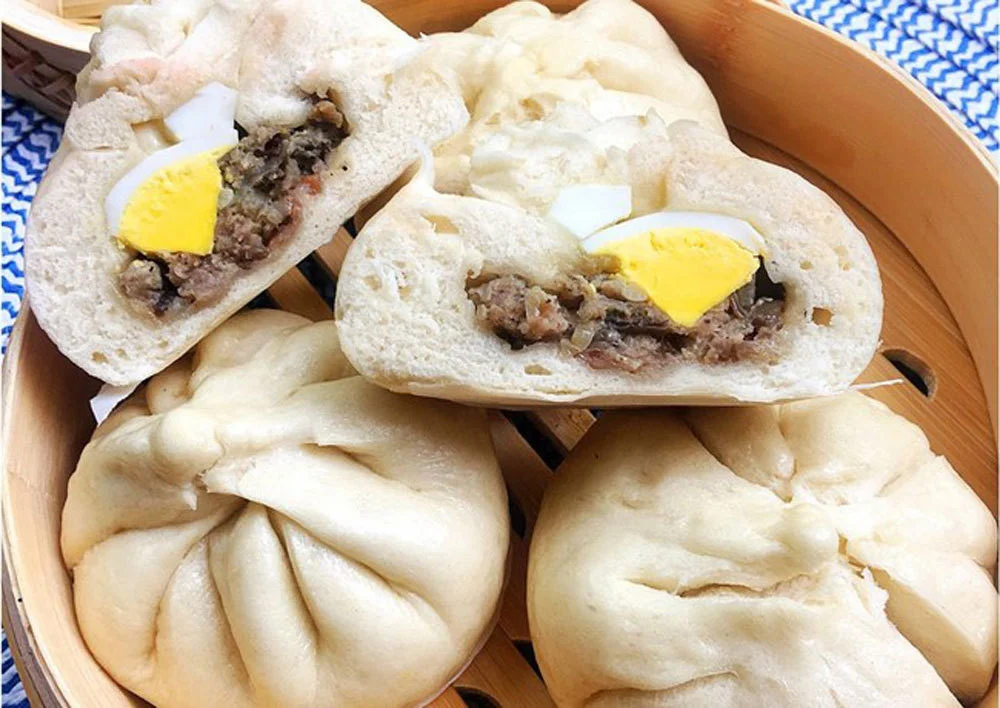
Vietnamese Steamed Pork Buns, known locally as Bánh Bao, are among the country’s most beloved comfort foods. Inspired by Chinese steamed buns but adapted with Vietnamese flavors, these fluffy white buns are commonly enjoyed for breakfast, lunch, or as a satisfying snack.
The dough is made from wheat flour and yeast, creating a soft, pillowy texture after steaming. Inside, you’ll typically find seasoned ground pork mixed with wood ear mushrooms, glass noodles, shallots, and black pepper. A traditional Vietnamese version often includes half of a boiled quail egg or chicken egg tucked into the center, making each bite even more filling.
Freshly steamed buns have a light sweetness from the dough that pairs perfectly with the savory filling. They are usually eaten on their own, although many people enjoy them with chili sauce or pickled vegetables.
Today, you’ll find bánh bao sold by street vendors, bakeries, convenience stores, and markets throughout Vietnam. Regional variations may include chicken, vegetarian fillings, salted egg yolks, or even sweet custard for dessert versions.
2. Vietnamese Rice Pyramid Dumplings
Bánh Ít is a traditional Vietnamese rice pyramid dumpling recognized by its distinctive pyramid shape wrapped in banana leaves. It is especially popular in Central Vietnam, where it plays an important role in family celebrations, weddings, and ancestor worship ceremonies.
The outer layer is made from glutinous rice flour, creating a chewy and slightly sticky texture. The savory filling usually combines minced pork, shrimp, mung beans, shallots, and black pepper. Some versions feature sweet mung bean paste with coconut instead.
Banana leaves not only hold the dumpling together during steaming but also infuse it with a subtle natural aroma. Once unwrapped, the dumpling reveals its glossy surface and fragrant filling.
Bánh Ít represents prosperity and gratitude in Vietnamese culture. It is commonly prepared during holidays and offered at family altars before being shared among relatives. Although making these dumplings takes patience, the beautiful presentation and delicious taste make the effort worthwhile.
3. Vietnamese Sticky Rice Dumplings
Vietnamese Sticky Rice Dumplings, called Bánh Ú or Bánh Tro depending on the region and preparation, are closely associated with the Dragon Boat Festival and other traditional celebrations.
These dumplings are wrapped tightly in bamboo or banana leaves before being boiled for several hours. The sticky rice becomes incredibly soft while absorbing the subtle fragrance of the leaves.
Savory versions may contain pork belly, salted egg yolk, mung beans, mushrooms, and peanuts. Sweet versions often include mung bean paste or sweetened beans. In southern Vietnam, alkaline sticky rice dumplings are served with sugar or syrup, offering a light and refreshing dessert.
One of the reasons these dumplings are so popular is their satisfying combination of sticky rice and flavorful fillings. They are portable, filling, and can be enjoyed warm or at room temperature, making them perfect for family picnics and holiday gatherings.
4. Vietnamese Crispy Dumpling
Vietnamese Crispy Dumplings, known as Bánh Gối, are a favorite street food throughout northern Vietnam, especially in Hanoi.
Named after their pillow-like shape, these dumplings feature a thin wheat flour wrapper filled with ground pork, minced mushrooms, glass noodles, shredded carrots, onions, and seasonings. Some recipes also include quail eggs inside the filling.
The dumplings are deep-fried until beautifully golden and crisp. The outside becomes crunchy while the filling stays juicy and flavorful. Their rich texture is balanced by serving them with fresh lettuce, herbs such as mint and cilantro, and a bowl of tangy Vietnamese fish sauce dipping sauce.
Eating bánh gối is a hands-on experience. Diners usually wrap pieces of the crispy dumpling in lettuce leaves with fresh herbs before dipping them into the sauce. The result is a perfect balance of crispy, savory, fresh, sweet, sour, and salty flavors.
5. Thorn Leaf Cake
Bánh Ít Lá Gai, commonly translated as Thorn Leaf Cake, is one of Vietnam’s most distinctive traditional dumplings. It is especially famous in Bình Định Province but can also be found throughout Central Vietnam.
The dough is made by mixing glutinous rice flour with finely ground thorn leaves. These leaves give the cake its characteristic dark green or black color and a pleasantly earthy aroma.
Inside, you’ll typically find sweet mung bean paste mixed with shredded coconut, although savory fillings containing pork and shrimp are also available in some regions.
Each cake is wrapped in banana leaves before steaming, which helps preserve moisture and adds another layer of fragrance. The finished cake has a wonderfully chewy texture with a rich, naturally sweet flavor.
Thorn Leaf Cake is commonly prepared for weddings, festivals, family celebrations, and ancestral offerings. Many Vietnamese people consider it a symbol of tradition and good fortune.
6. Stuffed Pancake
Although Bánh Xèo is technically a savory pancake rather than a traditional dumpling, it often appears alongside Vietnamese dumpling dishes because of its folded shape and stuffed filling.
The batter is made from rice flour, turmeric, coconut milk, and water, creating an incredibly crispy shell when cooked. Inside, cooks add shrimp, pork slices, bean sprouts, onions, and occasionally mushrooms.
Unlike Western pancakes, bánh xèo is not eaten with syrup. Instead, pieces are wrapped in rice paper or lettuce leaves along with herbs like basil, mint, and perilla. The wraps are then dipped into sweet-and-sour fish sauce.
The contrast between the crispy pancake, juicy filling, crunchy vegetables, and fragrant herbs creates one of Vietnam’s most memorable dining experiences.
Regional versions differ considerably. Southern Vietnamese bánh xèo tends to be larger and includes coconut milk, while Central Vietnamese versions are smaller, thinner, and extra crispy.
7. Vietnamese Steamed Tapioca Dumplings
Vietnamese Steamed Tapioca Dumplings, or Bánh Bột Lọc, are among the most elegant dumplings in Vietnamese cuisine. Originating from Huế in Central Vietnam, they are famous for their nearly transparent wrappers.
The dough is made from tapioca starch, giving the dumplings a chewy, slightly elastic texture unlike any other Vietnamese dish. Inside, the filling usually consists of shrimp and pork belly seasoned with fish sauce, garlic, pepper, and sugar.
Many versions are individually wrapped in banana leaves before steaming, allowing the filling to become fragrant while keeping the dumplings moist.
Once cooked, the translucent wrapper beautifully reveals the orange shrimp inside. The dumplings are typically served with a sweet, savory, and spicy fish sauce containing garlic and fresh chilies.
Although the ingredients are simple, achieving the perfect chewy texture requires skill, making bánh bột lọc a treasured specialty that many visitors seek out while exploring Huế.
8. Vietnamese Glutinous Rice Cake
Vietnamese Glutinous Rice Cake, known as Bánh Chưng in northern Vietnam and Bánh Tét in southern Vietnam, is one of the country’s most iconic traditional foods.
These cakes are prepared almost exclusively for Lunar New Year (Tết), when families gather to wrap and cook them together. The process often takes 8 to 12 hours of continuous boiling, making it both a culinary tradition and a family bonding activity.
Bánh Chưng has a square shape symbolizing the Earth, while Bánh Tét is cylindrical. Both are made from glutinous rice layered with mung bean paste and seasoned pork belly before being tightly wrapped in banana leaves.
After cooking, the rice becomes soft and sticky while absorbing the aroma of the leaves. The rich pork filling and creamy mung beans create a delicious contrast of flavors and textures.
These cakes are often served with Vietnamese pickled vegetables, fish sauce, or slices of Vietnamese pork sausage. Leftover cakes are frequently pan-fried until crispy, creating another popular way to enjoy them after the holiday.
More than just food, Vietnamese glutinous rice cakes represent family unity, gratitude to ancestors, and hopes for prosperity in the coming year. For many Vietnamese people, Tết simply wouldn’t feel complete without them.
Final Thoughts
Vietnamese dumplings are a delicious reflection of the country’s diverse culinary traditions and regional specialties. Whether you prefer steamed, fried, sticky, or chewy dumplings, each one offers unique flavors and cultural significance. If you’re exploring Vietnamese cuisine, these eight popular dumplings are must-try dishes that showcase the rich heritage of Vietnam’s food culture.
