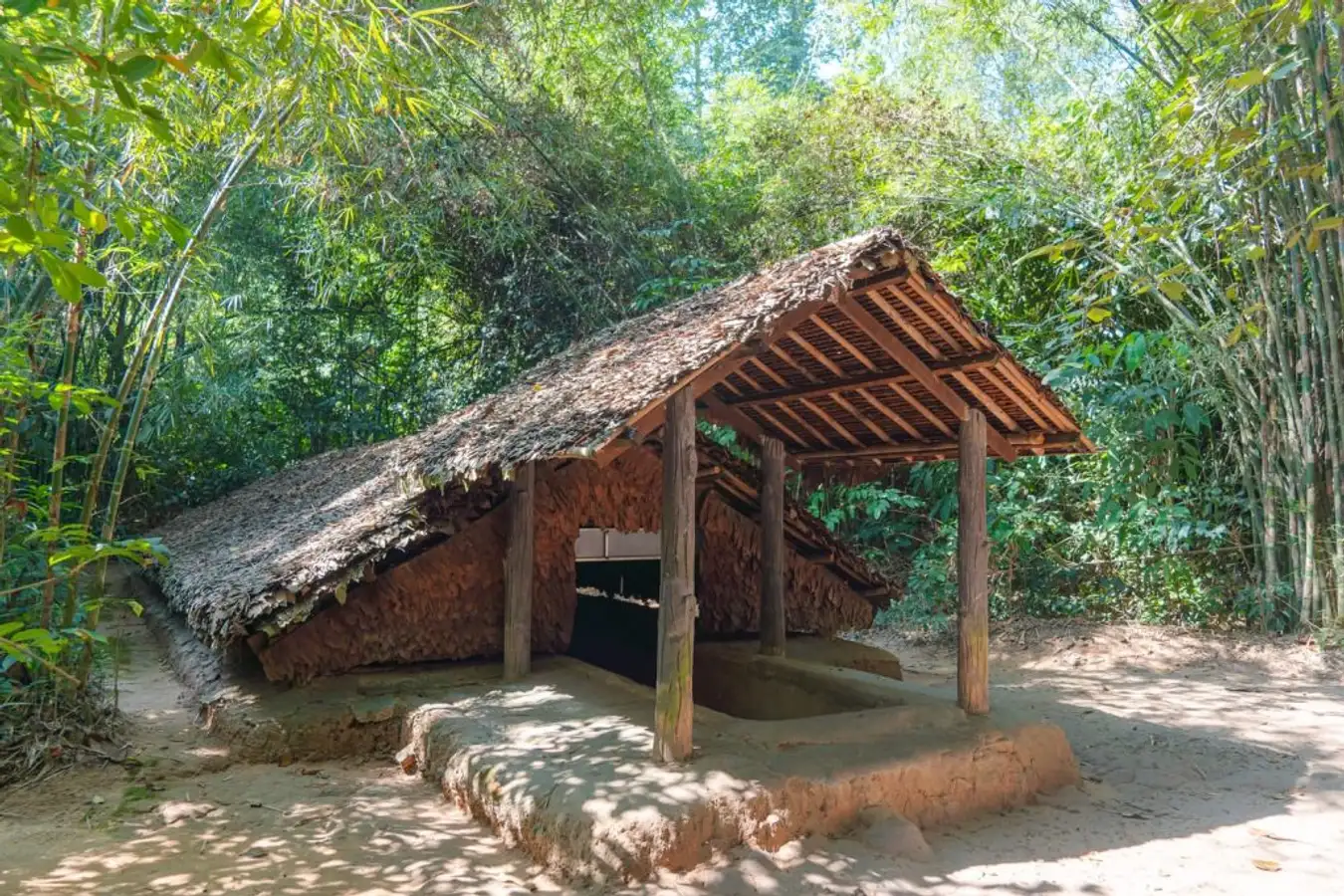
The Cu Chi Tunnels are one of Vietnam’s most famous historical attractions, offering visitors a fascinating look into the country’s past. Located just outside Ho Chi Minh City, this vast underground network played a significant role during the Vietnam War and has become a popular destination for travelers interested in history and culture.
Today, visitors can explore sections of the tunnels, learn about life underground, and gain a deeper understanding of the resilience and ingenuity of the Vietnamese people. If you’re planning to visit Vietnam in 2026, the Cu Chi Tunnels are well worth adding to your itinerary. Here’s everything you need to know before your trip.
1. What Are the Cu Chi Tunnels?
The Cu Chi Tunnels are an extensive underground network located in Cu Chi District, about 70 kilometers (43 miles) northwest of Ho Chi Minh City.
Originally built during the late 1940s and significantly expanded during the Vietnam War, the tunnel system eventually stretched for more than 250 kilometers (155 miles). It served as living quarters, supply routes, communication lines, storage facilities, field hospitals, kitchens, and command centers.
Despite frequent bombardment, the tunnel network allowed people to move safely underground and continue daily life under extremely challenging conditions.
Today, parts of the tunnels have been preserved and adapted for tourism while maintaining much of their original character.
2. History of the Cu Chi Tunnels
Construction of the tunnels began during the First Indochina War as local resistance forces dug simple underground shelters.
Over time, the system became increasingly complex, with multiple levels, hidden entrances, ventilation shafts, meeting rooms, kitchens, and escape routes.
During the Vietnam War, the tunnels became an important base for military operations and provided protection from air raids and ground attacks.
The tunnels also supported daily life, allowing people to cook, receive medical treatment, store food, and communicate while remaining hidden underground.
Today, the Cu Chi Tunnels stand as a reminder of Vietnam’s history and the determination of those who lived and worked there.
3. What to See at the Cu Chi Tunnels
A visit to the Cu Chi Tunnels includes several interesting exhibits and experiences.
Underground Tunnels
One of the highlights is the opportunity to enter sections of the tunnel system.
Some tunnels have been carefully widened to make them more accessible for visitors while still providing an idea of how narrow the original passages were.
Walking through these tunnels offers a unique perspective on the conditions people experienced underground.
Hidden Tunnel Entrances
Visitors can see cleverly disguised entrances that blend naturally into the forest floor.
Guides often demonstrate how these concealed openings were used, showing just how difficult they were to detect.
Living Areas
Exhibits throughout the site recreate underground kitchens, meeting rooms, sleeping areas, storage spaces, and workshops.
These displays help visitors understand how entire communities functioned beneath the surface.
Historical Displays
Photographs, maps, artifacts, and informative exhibits explain the history of the tunnel system and its importance during the war.
Knowledgeable guides provide additional context and answer questions throughout the tour.
Forest Surroundings
The tunnel complex is surrounded by peaceful forest, creating a striking contrast with its historical significance.
Walking paths connect the various exhibits, allowing visitors to explore at a relaxed pace.
4. Ben Dinh vs. Ben Duoc
The Cu Chi Tunnels have two main visitor sites.
Ben Dinh
Ben Dinh is the more popular option because it is closer to Ho Chi Minh City.
Most half-day tours visit this site, making it convenient for travelers with limited time.
Some of the tunnels here have been enlarged to accommodate visitors.
Ben Duoc
Ben Duoc is located farther from the city and generally receives fewer visitors.
Many travelers find it quieter and more authentic, with larger grounds and a more peaceful atmosphere.
If you have extra time and prefer smaller crowds, Ben Duoc is an excellent choice.
5. How to Get There
The Cu Chi Tunnels can be reached in several ways.
Join a Guided Tour
Many visitors choose a guided tour from Ho Chi Minh City.
Tours typically include round-trip transportation, entrance fees, and an English-speaking guide who explains the site’s history.
Half-day and full-day options are widely available.
Travel by Car or Taxi
Hiring a private car or taking a taxi provides greater flexibility and allows you to explore at your own pace.
The drive usually takes between 1.5 and 2 hours, depending on traffic.
Public Bus
Budget travelers can also reach the tunnels by public bus, although the journey takes longer and may require transferring between routes.
6. Best Time to Visit
The dry season, from December to April, generally offers the most comfortable weather for exploring the outdoor site.
Morning visits are especially popular because temperatures are cooler and tour groups are often smaller.
If visiting during the rainy season, bringing a lightweight rain jacket or umbrella is recommended.
7. Tips for Visiting the Cu Chi Tunnels
A few simple tips will help you enjoy your visit.
- Wear comfortable walking shoes, as you’ll spend time exploring outdoor paths.
- Dress in lightweight clothing suitable for warm weather.
- Bring water to stay hydrated.
- Use insect repellent, especially during the rainy season.
- Be prepared for narrow spaces if you plan to enter the tunnels.
- Visitors who are uncomfortable with confined spaces can simply explore the above-ground exhibits instead.
- Follow your guide’s instructions throughout the visit.
8. Nearby Attractions
If you have extra time, consider combining your visit with other attractions around Ho Chi Minh City.
Popular options include:
- War Remnants Museum
- Independence Palace
- Ben Thanh Market
- Notre Dame Cathedral
- Saigon Central Post Office
- Mekong Delta day tours
Many travelers visit the Cu Chi Tunnels in the morning before exploring the city in the afternoon.
Final Thoughts
The Cu Chi Tunnels are one of Vietnam’s most important historical attractions and remain a must-visit destination near Ho Chi Minh City. Exploring the underground passages, learning about their history, and seeing the preserved exhibits offer a deeper understanding of the country’s past.
If you’re visiting Vietnam in 2026, adding the Cu Chi Tunnels to your itinerary is an excellent way to experience one of the nation’s most remarkable historical sites while gaining a greater appreciation for Vietnam’s resilience and rich heritage.
