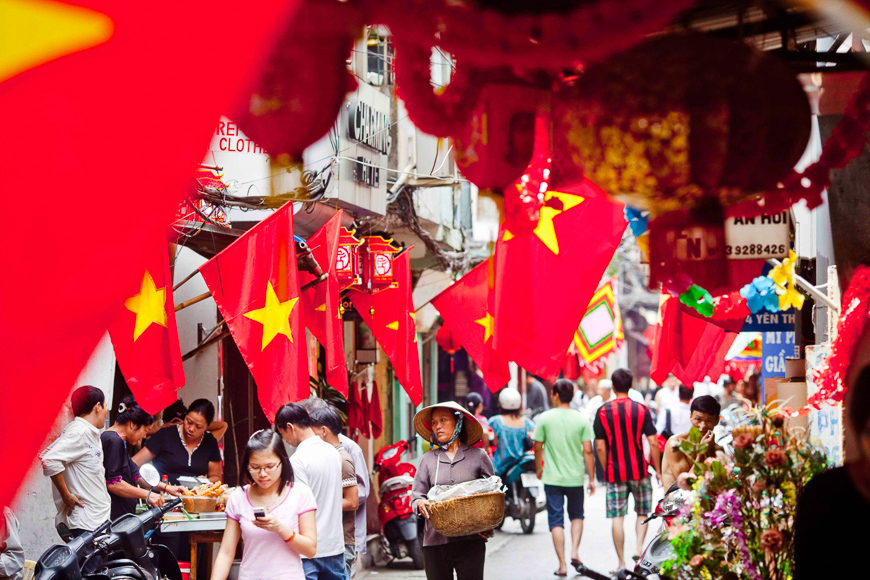
Vietnam is a country rich in traditions, and its festivals and holidays are an important part of everyday life. Throughout the year, communities across the country celebrate events that honor ancestors, historical heroes, religious beliefs, and seasonal traditions. These celebrations are filled with colorful decorations, traditional performances, delicious food, and joyful gatherings that reflect Vietnam’s vibrant culture.
For travelers, joining a local festival is one of the best ways to experience authentic Vietnamese traditions. From the country’s biggest holiday, Tet, to lively lantern festivals and cultural celebrations, here’s a guide to some of the most important festivals and holidays in Vietnam.
1. Tet Nguyen Dan (Vietnamese Lunar New Year)
Tet, or Vietnamese Lunar New Year, is the most important holiday in Vietnam.
Usually celebrated between late January and mid-February, Tet marks the arrival of spring and the beginning of the lunar calendar. Families spend weeks preparing by cleaning their homes, decorating with peach blossoms or apricot flowers, buying special foods, and shopping for new clothes.
On New Year’s Eve and during the first days of Tet, families gather to share meals, visit relatives, honor their ancestors, and exchange lucky money in red envelopes.
Many businesses close during the holiday, while temples, flower markets, and public spaces become beautifully decorated.
For visitors, Tet offers a unique opportunity to experience Vietnam’s strongest family traditions and festive atmosphere.
2. Hung Kings Festival
The Hung Kings Festival is celebrated on the 10th day of the third lunar month to honor the legendary founders of Vietnam.
The largest celebrations take place at Hung Temple in Phu Tho Province, where thousands of pilgrims gather to offer incense and pay their respects.
Traditional ceremonies, folk performances, music, and cultural activities are held throughout the day.
The festival highlights the importance of remembering Vietnam’s origins and honoring national history.
3. Reunification Day
Reunification Day is observed annually on April 30.
The holiday commemorates the reunification of North and South Vietnam in 1975 and is one of the country’s most significant national holidays.
Cities often display national flags and banners, while museums and historical sites welcome many visitors.
Although official ceremonies are held in several locations, many Vietnamese people also enjoy the holiday by traveling, spending time with family, or taking short vacations.
4. International Workers’ Day
International Workers’ Day is celebrated on May 1, immediately following Reunification Day.
Because the two holidays occur back-to-back, many Vietnamese people enjoy an extended holiday period.
Parks, beaches, tourist attractions, and shopping centers become especially busy as families travel across the country.
Hotels and transportation often fill quickly during this popular vacation period.
5. Mid-Autumn Festival (Tet Trung Thu)
The Mid-Autumn Festival is one of Vietnam’s favorite celebrations, especially for children.
Held on the 15th day of the eighth lunar month, the festival features colorful lanterns, lion dances, mooncakes, and family gatherings.
Children carry brightly decorated lanterns through neighborhoods while cultural performances entertain local communities.
Mooncakes, filled with sweet or savory ingredients, are traditionally shared among family members and friends.
Hoi An is one of the most beautiful places to experience the festival, as thousands of lanterns illuminate the ancient streets.
6. National Day
Vietnam celebrates National Day every year on September 2.
The holiday marks the declaration of Vietnam’s independence in 1945.
Major cities are decorated with national flags, flowers, and banners. Fireworks, concerts, parades, and public events are organized in many locations.
Many museums and cultural sites also hold special exhibitions during this important national celebration.
7. Hue Festival
The Hue Festival is one of Vietnam’s largest cultural festivals and is typically held every two years in the historic city of Hue.
The festival celebrates the cultural heritage of Vietnam’s former imperial capital through traditional music, dance, art exhibitions, fashion shows, and royal ceremonies.
Visitors can enjoy performances inside the Imperial City, dragon boat races on the Perfume River, and cultural events featuring both Vietnamese and international artists.
It is an excellent opportunity to experience Vietnam’s artistic traditions.
8. Hoi An Lantern Festival
The Hoi An Lantern Festival takes place on the 14th day of every lunar month.
During the festival, electric lights throughout Hoi An Ancient Town are turned off, and thousands of colorful lanterns illuminate the streets and the Thu Bon River.
Visitors can release floating lanterns onto the river, enjoy traditional music, watch cultural performances, and sample local street food.
The magical atmosphere makes this one of Vietnam’s most photographed events.
9. Lim Festival
Held in Bac Ninh Province, the Lim Festival celebrates Quan Ho, a traditional style of Vietnamese folk singing recognized by UNESCO.
The festival usually takes place during the first lunar month.
Visitors can watch singers dressed in traditional clothing perform romantic folk songs while standing on boats or gathering in village courtyards.
Traditional games, wrestling matches, and cultural performances add to the festive atmosphere.
10. Kate Festival
The Kate Festival is the most important celebration of the Cham ethnic community in south-central Vietnam.
Usually held in October according to the Cham calendar, the festival honors ancestors and religious traditions.
Celebrations take place at ancient Cham towers, particularly in Ninh Thuan Province, featuring colorful costumes, traditional music, dancing, and ceremonial offerings.
The festival offers visitors a chance to experience one of Vietnam’s unique cultural traditions.
Traditional Foods During Vietnamese Festivals
Food plays an essential role in almost every Vietnamese celebration.
Some traditional festival dishes include:
- Banh Chung – Square sticky rice cake enjoyed during Tet.
- Banh Tet – Cylindrical sticky rice cake popular in southern Vietnam.
- Mooncakes – A Mid-Autumn Festival favorite.
- Boiled chicken – Often served during family celebrations.
- Sticky rice – Prepared in many regional varieties.
- Fresh fruits – Used for ancestor offerings and festive meals.
Sharing meals brings families together and remains one of the most meaningful parts of every holiday.
Tips for Travelers
If you plan to visit Vietnam during a festival or public holiday, keep these tips in mind:
- Book hotels and flights well in advance, especially during Tet.
- Expect larger crowds at tourist attractions.
- Carry cash, as some small businesses may close or limit payment options.
- Dress respectfully when visiting temples or religious ceremonies.
- Be patient with heavier traffic during major holidays.
- Join local celebrations respectfully and follow community customs.
Experiencing a festival can become one of the highlights of your trip.
Final Thoughts
Vietnam’s festivals and holidays showcase the country’s rich history, diverse cultures, and strong sense of community. From the joyful celebrations of Tet and the colorful lanterns of Hoi An to traditional folk festivals and national holidays, each event offers a unique cultural experience.
If you’re planning a trip to Vietnam in 2026, consider timing your visit to coincide with one of these festivals. Taking part in local celebrations is a wonderful way to experience the traditions, cuisine, and warm hospitality that make Vietnam such a memorable destination.
